Introduction
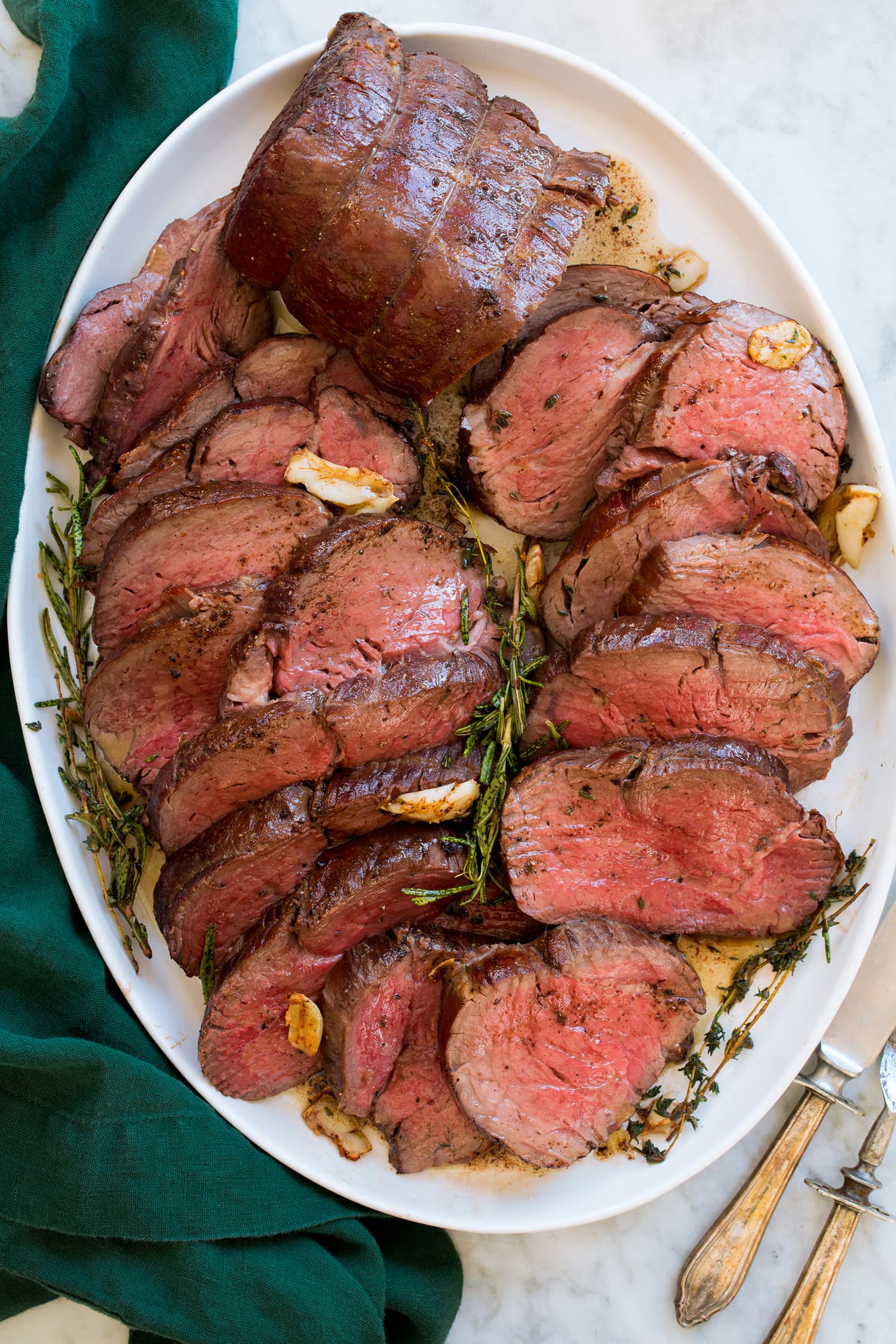
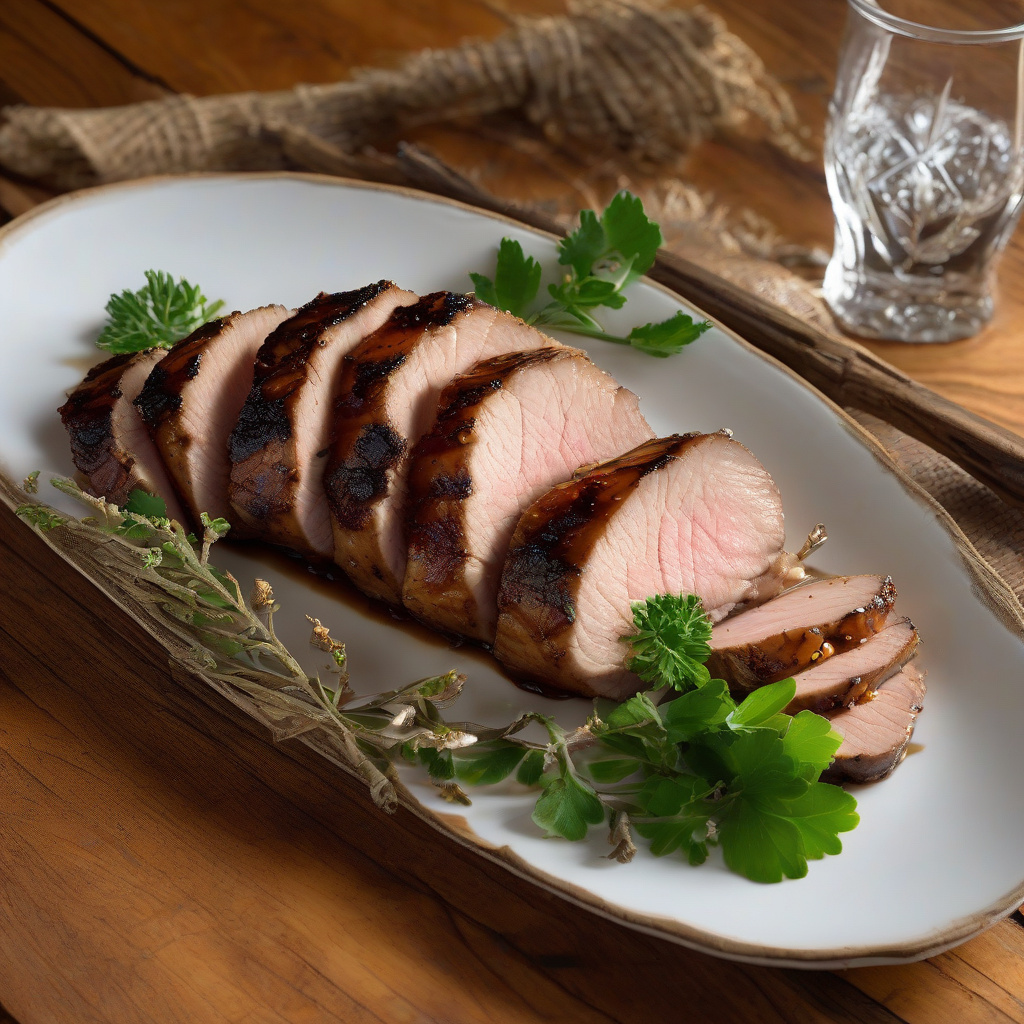
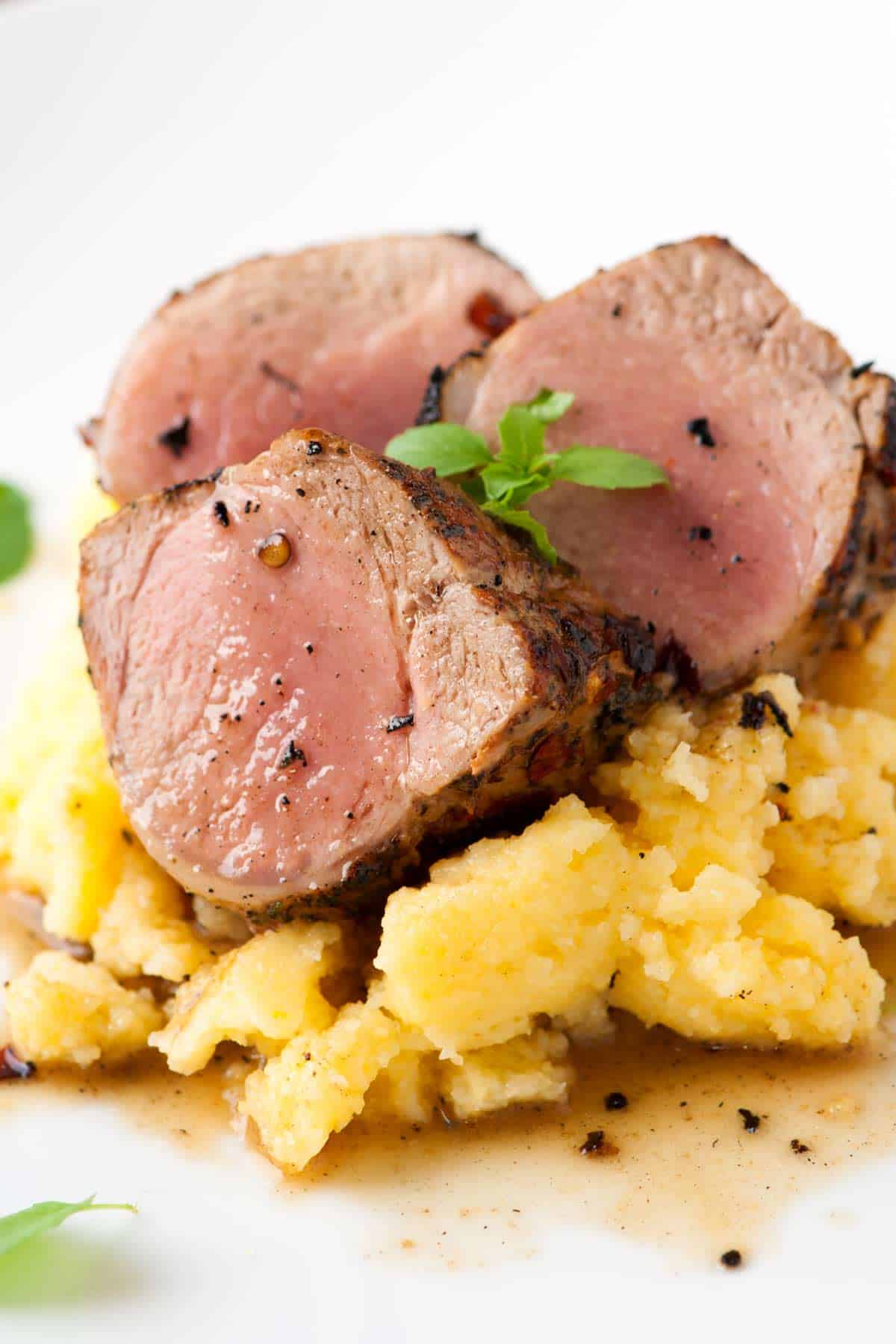
A successful beef pork tenderloin recipe combines precise heat control with traditional roasting methods to produce exceptionally tender, moisture-rich centerpiece meals. According to the United States Department of Agriculture (USDA) Food Safety and Inspection Service (FSIS), whole cuts of pork tenderloin achieve optimal culinary safety and texture at a minimum internal temperature of 145 degrees Fahrenheit, followed by a mandatory three-minute rest period. Mastering this dual-protein approach requires understanding the unique lean muscle structures of both beef and pork tenderloins to prevent overcooking while maximizing savory depth. Traditional comfort food cooking relies heavily on foundational techniques found within specialized collections such as Beef & Pork Recipes, ensuring every family meal delivers reliable texture and robust flavor.
Culinary Prep Snapshot:
- Core Focus: Applying old-fashioned roasting and searing techniques to lean beef and pork tenderloins.
- Target Scope: Traditional home-style comfort food preparation for family dinners and holiday gatherings.
- Key Recommendation: Utilize digital probe thermometers and proper resting phases to lock in natural juices.
Core Principles and Detailed Overview
Executing a proper beef pork tenderloin recipe demands strict adherence to thermal dynamics and gentle fat-barding to compensate for the extremely low fat content inherent in both cuts. Direct answers to achieving succulence lie in the combination of a high-heat pan sear to build deep umami crusts, followed by gentle oven roasting to finish cooking the interior evenly. Home cooks must trim silver skin completely prior to seasoning because this tough connective tissue prevents salt and spice penetration during the dry-brining phase. Applying traditional herb pastes featuring garlic, rosemary, black pepper, and coarse salt creates an aromatic barrier that shields the delicate outer muscle fibers from excessive direct heat.
Key Specifications and Breakdown
| Cooking Step / Component | Key Culinary Technique | Chef’s Quality & Food Safety Secret |
|---|---|---|
| Preparation & Trimming | Removing silver skin and binding uniform thickness with butcher’s twine | Ensures even cooking speeds across tapered ends of the tenderloin. |
| Searing & Crust Building | High-heat cast-iron pan frying in clarified butter or high-smoke oil | Triggers the Maillard reaction without overcooking the center. |
| Finishing & Resting | Oven roasting at 375°F followed by a 10-minute counter rest | Allows contracted muscle proteins to reabsorb escaping juices completely. |
Whole cuts of pork must reach 145°F with a 3-minute rest, while beef tenderloin achieves medium-rare perfection at 130°F to 135°F. — USDA Food Safety and Inspection Service (FSIS) & Culinary Institute of America (CIA) Standards
Step-by-Step Practical Application and Guidelines
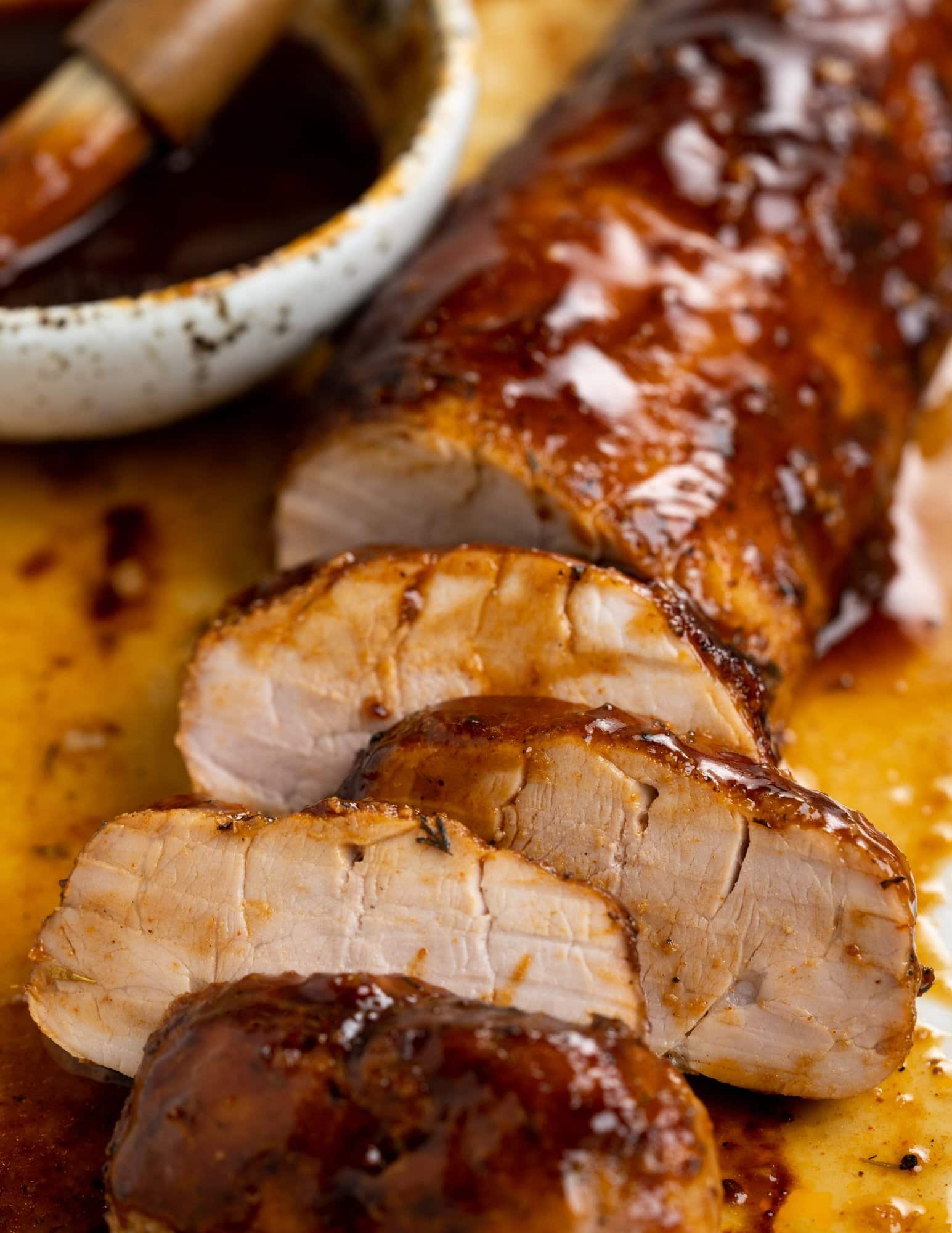
Following a methodical preparation sequence guarantees that a beef pork tenderloin recipe transforms simple ingredients into an extraordinary culinary tradition. Begin by patting the meats thoroughly dry with paper towels, then season generously with kosher salt and cracked black pepper at room temperature for thirty minutes. Heat a heavy-bottomed skillet until smoking hot, add high-smoke point oil, and sear each side of the tenderloins until a deep golden-brown crust forms. Transfer the seared meats to a wire rack set inside a rimmed baking sheet, brushing generously with garlic-herb butter or traditional pan drippings. Roast in a preheated oven until digital thermometers read the exact desired internal doneness, then transfer to a warm cutting board to rest undisturbed before slicing against the grain into thick medallions.
Common Challenges and How to Avoid Them
Preventing dryness and uneven cooking remains the primary challenge when preparing lean cuts under high-heat environments. Direct answers to common kitchen pitfalls involve abandoning time-based cooking in favor of accurate digital probe thermometers inserted into the thickest portion of the meat. Overcooking occurs rapidly due to carryover heat once the meat leaves the oven, making it critical to pull the tenderloins five degrees below the target serving temperature. Furthermore, slicing the meat immediately after cooking causes valuable juices to spill onto the board; letting the roast rest allows internal moisture to redistribute evenly throughout the fibers.
💬 Frequently Asked Questions
Explore More Time-Tested Home Recipes on WillyRecipes
Continuing culinary education and mastering traditional family meals is simple when exploring the complete collection of heritage dishes available across WillyRecipes.com. Dedicated home cooks can expand their repertoire by browsing foundational guides, seasonal comfort foods, and specialized techniques detailed within the comprehensive Cooking Methods & Appliances archive.
Recipe Step Photos & Variations