Introduction
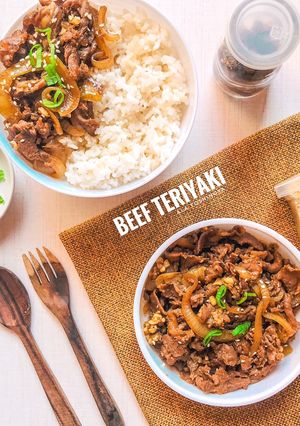
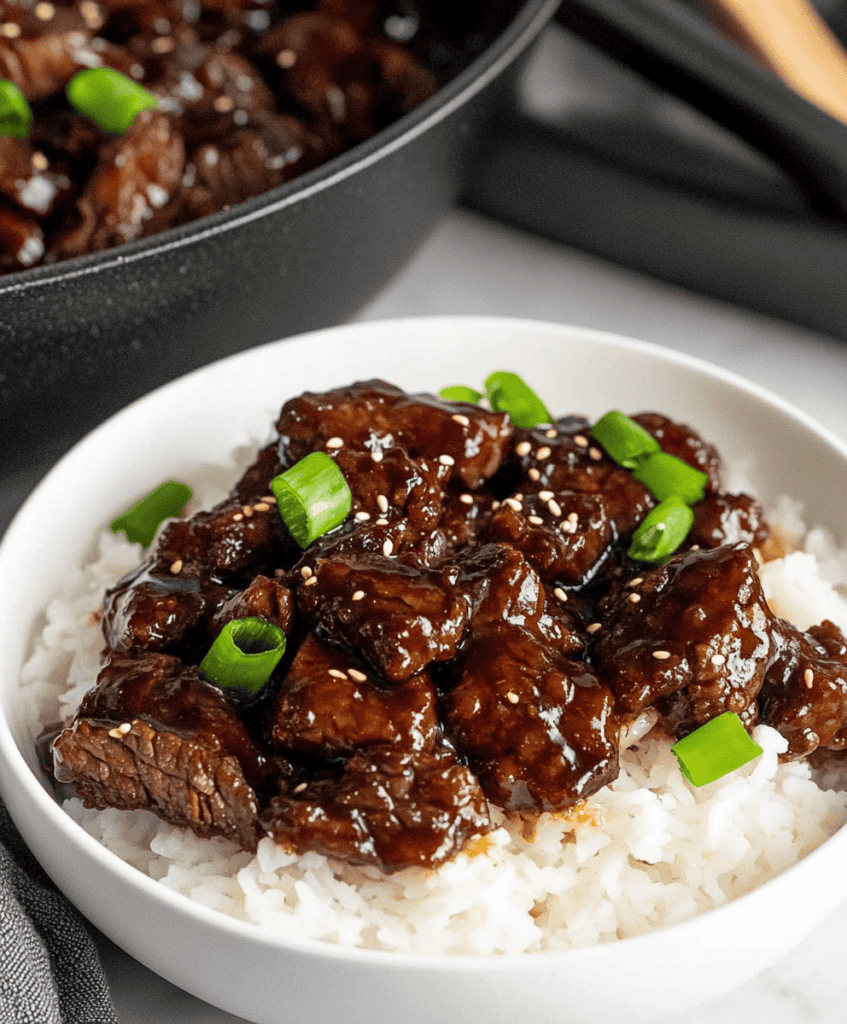
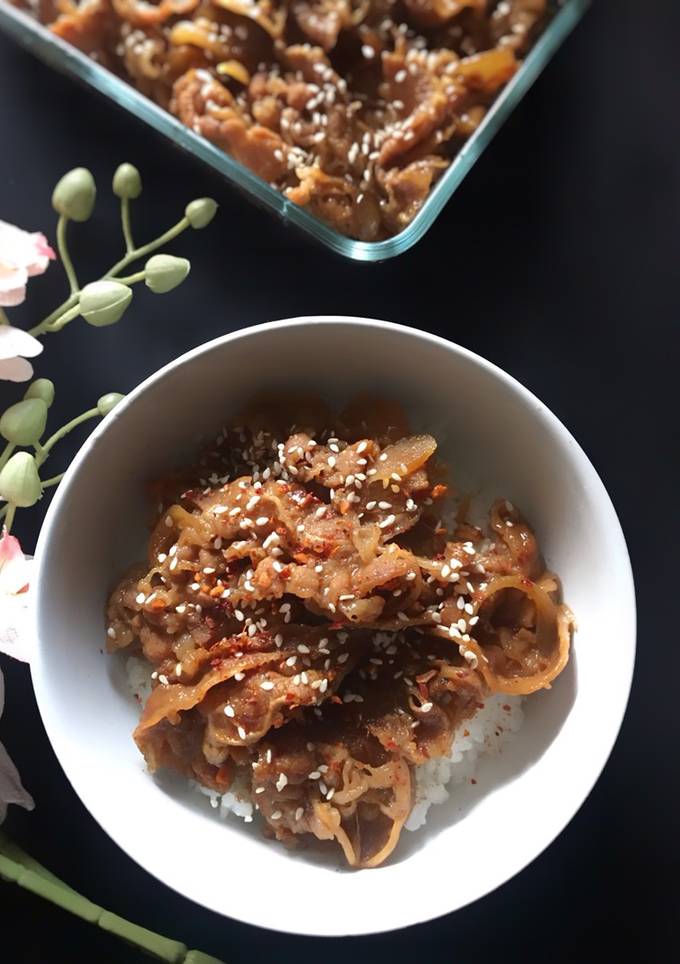
Recreating the iconic Japanese fast-casual beef bowl at home relies on mastering thin-sliced beef, a balanced soy-mirin glaze, and steamed white rice. According to the Culinary Institute of America (CIA) Standards, achieving authentic flavor profiles in heritage comfort food requires precise reduction of umami-rich liquids combined with high-heat protein searing. This classic style emphasizes speed, simplicity, and deep savory notes without heavy thickening agents or overly sweet additives. Home cooks seeking to replicate traditional fast-casual dishes can explore additional savory ideas within the Beef & Pork Recipes directory.
Culinary Prep Snapshot:
- Core Focus: Thinly sliced beef simmered in a savory-sweet soy glaze served over steamed rice.
- Target Scope: Quick weeknight family meals demanding authentic Japanese comfort flavors.
- Key Recommendation: Slice beef partially frozen to achieve paper-thin ribbons that absorb maximum flavor.
Core Principles and Detailed Overview
Authentic Japanese beef bowls rely on the interaction between thinly cut ribeye or chuck and a simmering broth composed of soy sauce, mirin, sake, and aromatics. According to Harold McGee’s Food Science Benchmarks, proteins cut across the grain shorten muscle fibers, ensuring tender bites even during rapid skillet cooking. Traditional preparation avoids heavy cornstarch slurries, relying instead on natural reduction to coat the beef in a glossy finish. Pairing this savory preparation with fluffy grains requires reliable techniques highlighted in the Pasta & Rice Recipes archive.
Key Specifications and Breakdown
| Cooking Step / Component | Key Culinary Technique | Chef’s Quality & Food Safety Secret |
|---|---|---|
| Beef Selection | Partial freezing for uniform slicing | Use well-marbled chuck eye to retain moisture during rapid simmering. |
| Sauce Reduction | Simmering soy, mirin, and dashi | Avoid boiling at high heat to prevent burning the delicate sugars in mirin. |
| Final Assembly | Layering over freshly steamed rice | Ensure rice is hot so the starch absorbs the savory pan juices completely. |
Maintain safe internal temperatures and sanitary handling when preparing raw beef components — USDA Food Safety and Inspection Service (FSIS)
Step-by-Step Practical Application and Guidelines
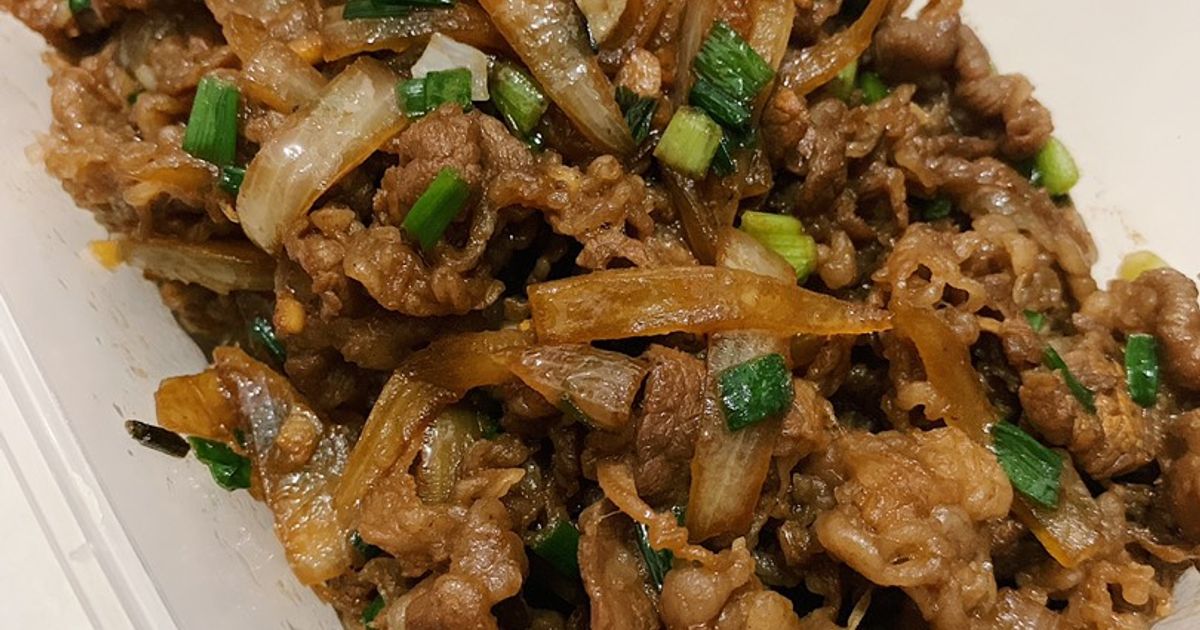
Executing this comfort classic demands precise timing to prevent the lean beef from turning tough and chewy. Begin by combining equal parts soy sauce, mirin, and sake in a skillet alongside sliced onions, bringing the mixture to a gentle simmer until the onions turn translucent and tender. Add the paper-thin beef slices in a single layer, allowing the meat to cook through in the flavorful broth for under three minutes. For optimal texture control, mastering heat management is essential, and further insights are available via Cooking Methods & Appliances.
Common Challenges and How to Avoid Them
Tough meat and overly salty sauce represent the most frequent pitfalls when attempting fast-casual Japanese beef bowls at home. Toughness occurs when thick cuts are used or when the beef simmers for too long; always use shaved cuts and cook for mere minutes. If the glaze tastes overly sharp or salty, balance the mixture with a splash of water or a pinch of sugar rather than adding excess sodium. Proper measurement and gentle reduction preserve the traditional flavor profile without overwhelming the palate.
💬 Frequently Asked Questions
Explore More Time-Tested Home Recipes on WillyRecipes
Mastering comfort food classics opens the door to countless traditional dishes designed to bring families together around the dinner table. Every recipe in the collection is crafted to deliver reliable results using accessible ingredients and time-tested culinary wisdom. Discover additional kitchen inspiration, comforting mains, and baking guides by visiting WillyRecipes.com for your next meal planning session.
Recipe Step Photos & Variations