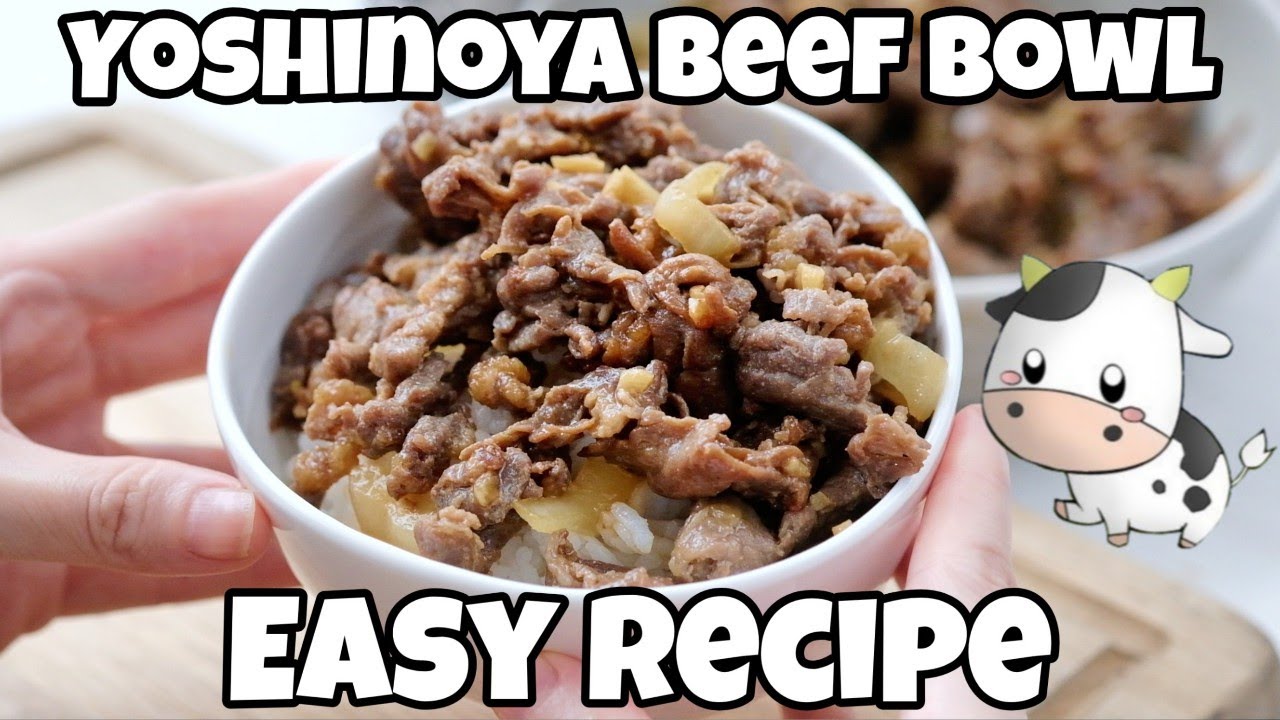
Introduction
A traditional beef yoshinoya recipe delivers thinly sliced beef and sweet yellow onions simmered in a savory dashi, soy sauce, and mirin broth, served traditionally over steamed Japanese rice. According to the Culinary Institute of America (CIA) Standards, mastering foundational braising and simmering liquids ensures proteins retain structural integrity while maximizing flavor infusion. Home kitchens can easily replicate this iconic fast-casual Japanese comfort food by utilizing proper cuts of meat, balancing fundamental umami components, and practicing disciplined heat management. For additional inspiration on classic comfort dinners, browsing the Beef & Pork Recipes directory offers endless culinary possibilities.
Culinary Prep Snapshot:
- Core Focus: Simmering thinly sliced beef and onions in a dashi-soy broth for gyudon.
- Target Scope: Quick weeknight comfort food preparation using traditional Japanese pantry staples.
- Key Recommendation: Slice beef while semi-frozen for paper-thin strips that absorb cooking liquid instantly.
Core Principles and Detailed Overview
Achieving authentic gyudon flavor requires a strict adherence to the golden ratio of dashi, soy sauce, mirin, and sake, combined with the proper selection of well-marbled beef. The beef yoshinoya recipe relies fundamentally on thinly cut chuck eye or ribeye, which contains enough intramuscular fat to stay tender during a brief simmer without becoming tough. Onions must be sliced consistently so they soften at an identical rate to the meat, creating a cohesive, velvety topping for white rice. Incorporating foundational Cooking Methods & Appliances ensures temperature control remains optimal throughout the reduction process.
Key Specifications and Breakdown
| Cooking Step / Component | Key Culinary Technique | Chef’s Quality & Food Safety Secret |
|---|---|---|
| Beef Selection | Paper-thin cross-grain slicing | Partially freeze beef before cutting to achieve uniform 1/16-inch thickness easily. |
| Aromatic Simmer | Low-temperature poaching | Never boil the beef aggressively; gentle simmering prevents protein toughening. |
| Rice Pairing | Short-grain steaming | Use freshly cooked Japanese short-grain rice to properly absorb the savory braising juices. |
Maintain proper internal holding temperatures and sanitize all slicing surfaces immediately after handling raw beef — USDA Food Safety and Inspection Service (FSIS)
Step-by-Step Practical Application and Guidelines
Executing an authentic beef yoshinoya recipe starts with bringing dashi stock, soy sauce, mirin, sake, and sliced onions to a gentle boil until the onions turn translucent and tender. Once the aromatics soften, reduce the heat to medium-low and lay the paper-thin beef slices across the simmering liquid in a single layer to prevent clumping. Skim any impurities from the surface during the initial minutes of cooking to keep the broth clear and clean-tasting. Simmer gently for five to seven minutes until the meat is thoroughly cooked through and infused with the sweet-savory braising reduction, then ladle generously over steaming bowls of short-grain rice, pairing alongside dishes found within Pasta & Rice Recipes.
Common Challenges and How to Avoid Them
Dry or tough beef results from boiling the meat too aggressively or cutting the slices against the wrong grain orientation. To avoid a chewy texture, ensure the heat is maintained at a gentle simmer rather than a rolling boil, and always slice beef across the muscle fibers. Another frequent pitfall involves an overly salty broth caused by excessive reduction; keep the pan partially covered during simmering or adjust liquid levels by adding a splash of water or extra dashi if the sauce concentrates too quickly.
💬 Frequently Asked Questions
Explore More Time-Tested Home Recipes on WillyRecipes
Mastering traditional comfort dishes expands culinary confidence and brings authentic global flavors directly to home kitchens everywhere. Discover additional reliable baking staples, comforting dinners, and specialty meals by exploring the complete collection housed at WillyRecipes.com.
Recipe Step Photos & Variations