Introduction
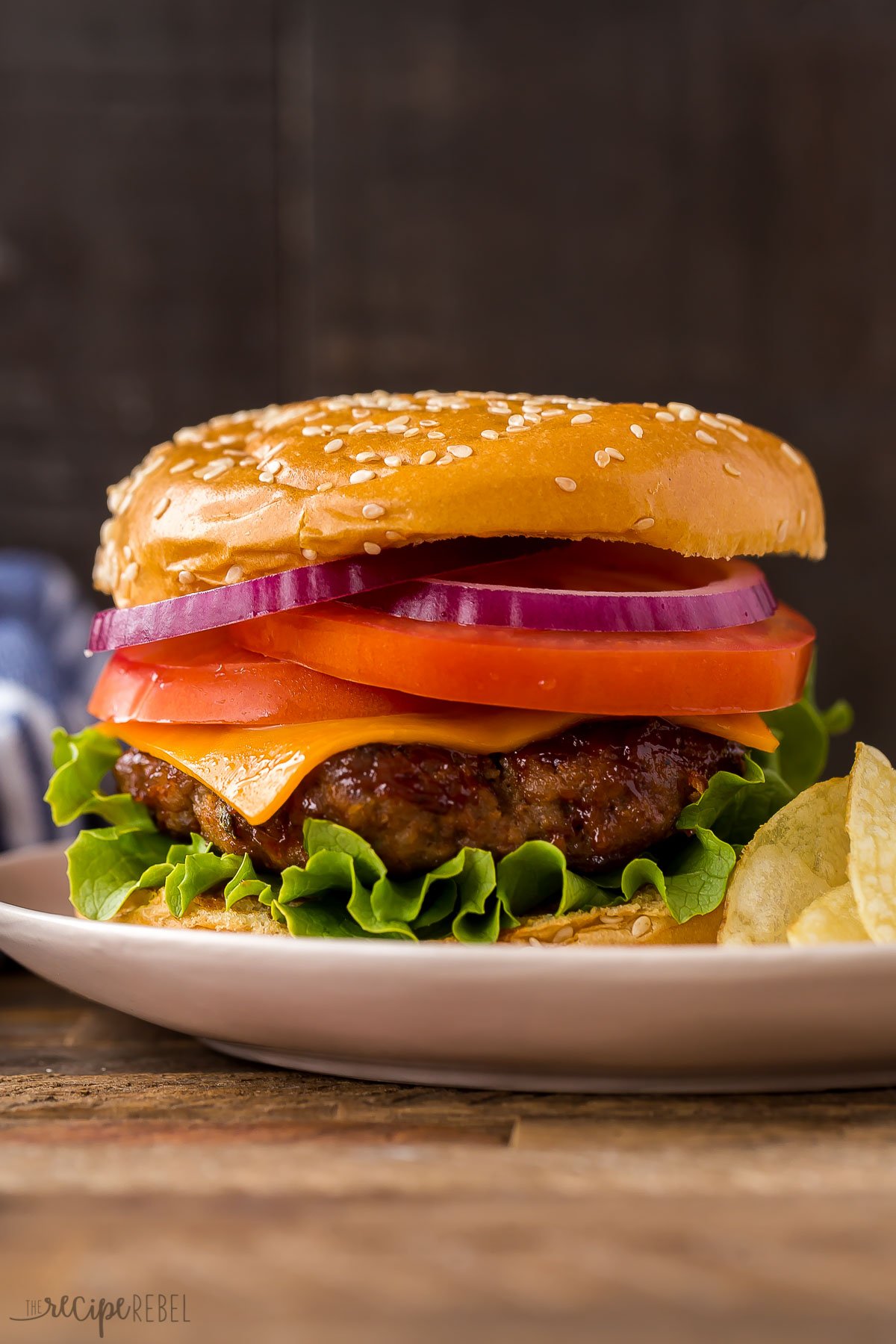
The best beef pork hamburger recipe combines an 80/20 ground chuck blend with finely minced traditional pork shoulder to maximize natural fat retention and flavor complexity during skillet cooking. According to USDA Food Safety and Inspection Service (FSIS) guidelines, ground meat mixtures must be handled with strict temperature control to prevent bacterial growth while achieving desired textures. Blending beef and pork creates a traditional homestyle patty that stays exceptionally juicy, resisting the dryness often associated with lean beef alone. Culinary enthusiasts seeking reliable comfort food classics frequently explore collections such as Beef & Pork Recipes for inspiration on blending complementary proteins. Crafting a superior double-meat patty relies upon precise fat ratios, minimal handling of the protein, and exact thermal management during searing. Traditional home cooks elevate everyday suppers by utilizing time-tested techniques that guarantee structural integrity and rich savory flavor profiles without relying on excessive binders.
Culinary Prep Snapshot:
- Core Focus: Optimal dual-protein blending ratio using beef and pork.
- Target Scope: Traditional skillet and flat-top burger preparation for family dinners.
- Key Recommendation: Keep meat thoroughly chilled until shaping to maintain fat suspension.
Core Principles and Detailed Overview
Achieving the best beef pork hamburger recipe depends on a precise two-to-one ratio of ground beef chuck to ground pork shoulder, ensuring optimal moisture and structural cohesion. Ground chuck supplies deep, beefy umami notes, whereas pork introduces essential intermuscular fat that melts down during cooking to baste the interior of the patty. Overworking the protein breaks down the natural meat strands, resulting in a dense, sausage-like texture instead of a tender, crumbly bite. Standard culinary instruction emphasizes gentle folding with kosher salt and cracked black pepper just prior to forming patties. Creating a slight indentation in the center of each raw disk prevents the meat from doming upward as proteins contract under direct heat. Applying mastery to traditional Cooking Methods & Appliances guarantees a crisp exterior crust while keeping the interior succulent and safe for consumption.
Key Specifications and Breakdown
| Cooking Step / Component | Key Culinary Technique | Chef’s Quality & Food Safety Secret |
|---|---|---|
| Protein Selection | Combining 80/20 chuck and pork shoulder | Keep meat below 40°F to prevent fat smearing. |
| Patty Shaping | Gentle handling with central depression | Avoid tight packing; indent center to stop doming. |
| Heat Application | Cast-iron searing at medium-high heat | Never press down on patties while cooking to retain juices. |
Ground meat mixtures should be cooked thoroughly to a minimum internal temperature of 160°F (71°C) to ensure complete food safety. — USDA Food Safety and Inspection Service (FSIS)
Step-by-Step Practical Application and Guidelines
Executing the best beef pork hamburger recipe requires starting with exceptionally cold ingredients, a heavy cast-iron skillet, and accurate timing. Divide the chilled meat mixture into equal four-ounce portions, shaping them loosely into disks wider than the intended buns to account for natural shrinkage. Preheat the cast-iron skillet until smoking slightly, add a thin film of high-smoke-point oil, and place the patties into the pan without overcrowding. Sear undisturbed for three to four minutes to develop a deep mahogany crust, flip once, and immediately add any desired cheese before covering the skillet briefly to melt. Rest the cooked patties on a warm wire rack for five minutes to allow internal juices to redistribute evenly throughout the meat fibers. Pairing these homemade patties with traditional accompaniments can also be explored through resources like Sauces & Condiments to complete the authentic meal.
Common Challenges and How to Avoid Them
Shrinkage, dryness, and crumbling patties represent the most frequent obstacles encountered when preparing mixed-meat burgers at home. Dryness usually occurs from using lean cuts of meat or overcooking the pork component beyond necessary temperature thresholds. Crumbling happens when binders like eggs or breadcrumbs are omitted improperly, though a proper 80/20 beef-to-pork ratio binds naturally if handled with cold hands. Pressing down on the patties with a spatula forces valuable juices out onto the hot surface, creating flare-ups and dry meat. Maintaining proper skillet temperature prevents sticking and ensures a clean release when flipping the patties over for the final minute of cooking.
💬 Frequently Asked Questions
Explore More Time-Tested Home Recipes on WillyRecipes
Mastering classic comfort foods provides a rewarding foundation for everyday family meal planning and traditional cooking enthusiasts. Visitors can browse additional culinary guides, baking techniques, and comforting dishes by returning to the main index at WillyRecipes.com to discover more reliable recipes.
Recipe Step Photos & Variations