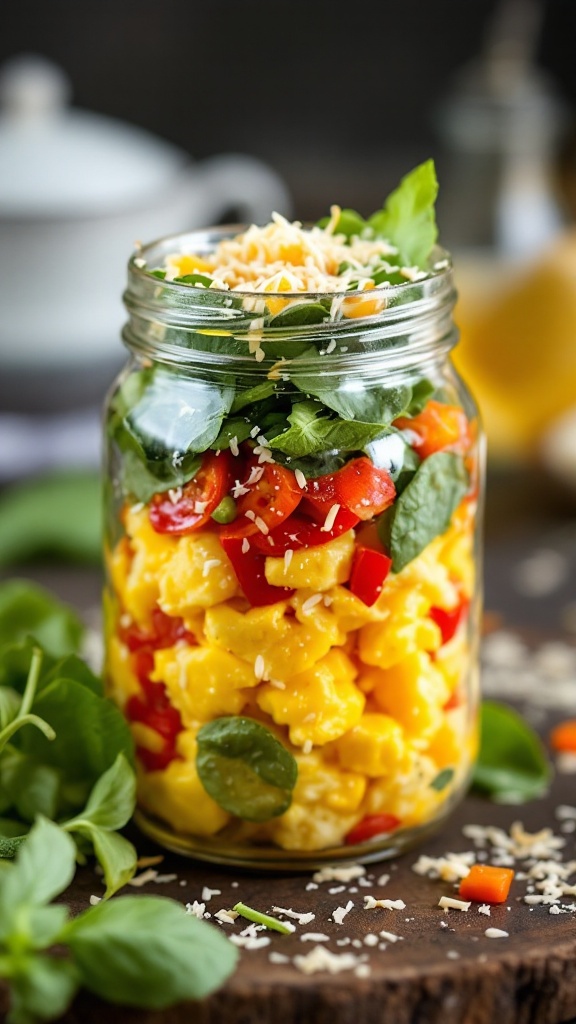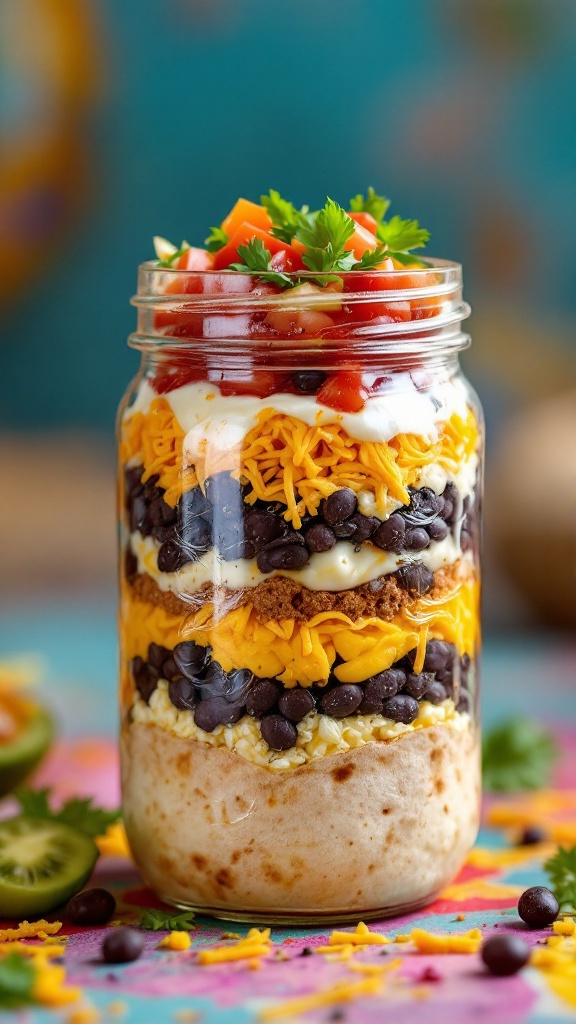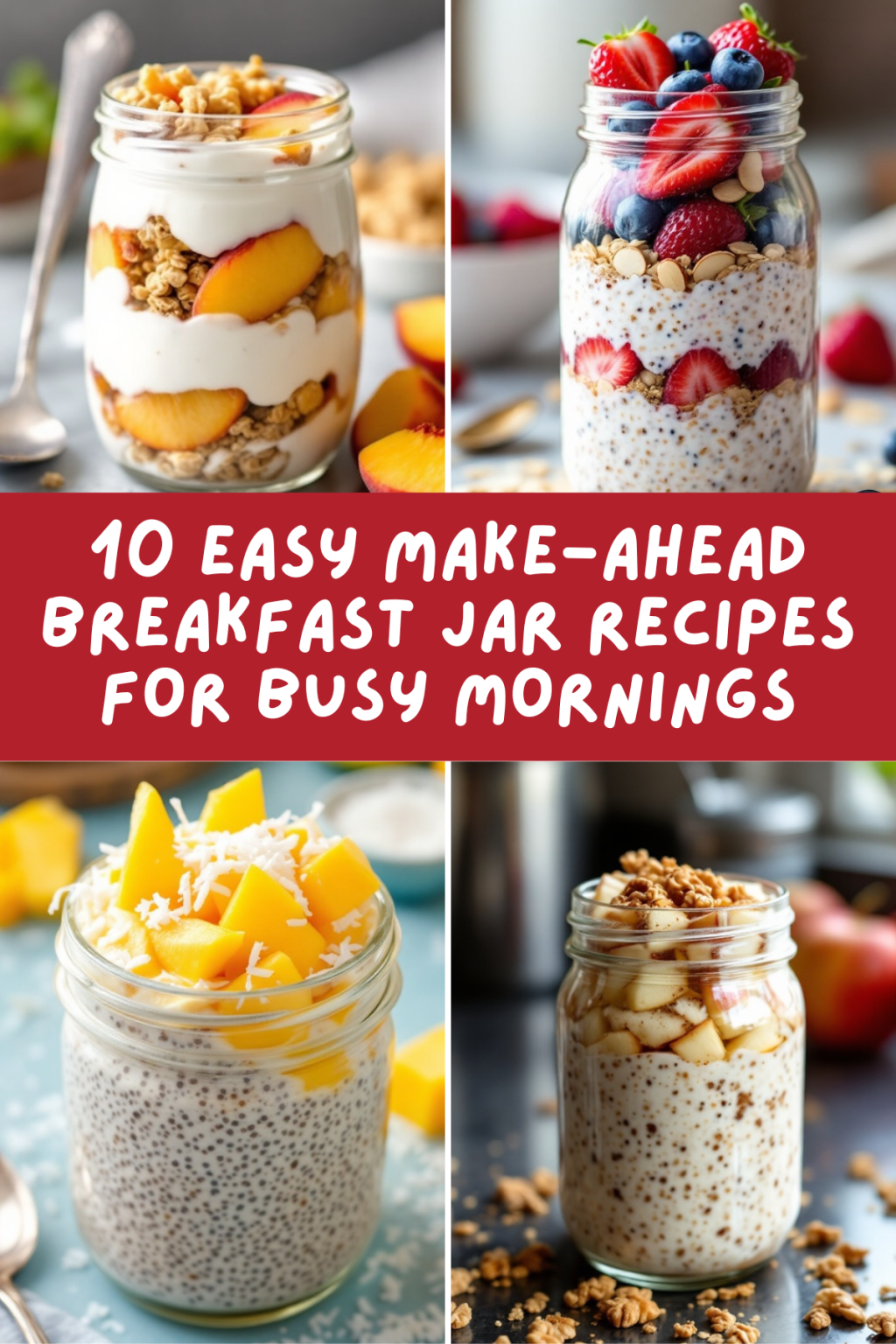
Introduction
Breakfast jar recipes represent a time-tested culinary method for portioning, storing, and consuming traditional morning meals through tightly sealed glass containers that lock in moisture and flavor. According to the USDA Food Safety and Inspection Service (FSIS), maintaining proper refrigeration temperatures below 40 degrees Fahrenheit is essential when storing home-prepared dairy and grain dishes in glass vessels to prevent bacterial proliferation. Traditional comfort food preparation relies heavily on efficient morning organization, making glass jars an indispensable kitchen utility for systematic meal planning. Integrating structured breakfast planning into a weekly routine supports wholesome, preservative-free eating habits reminiscent of heritage home cooking. Exploration of classic morning comfort foods begins by reviewing foundational Breakfast Recipes designed for optimal nutrition and flavor.
Culinary Prep Snapshot:
- Core Focus: Layered glass-jar meal preparation for time-efficient traditional breakfasts.
- Target Scope: Busy family kitchens seeking heritage morning comfort with modern convenience.
- Key Recommendation: Separate liquid components from dry ingredients until consumption to preserve optimal textural integrity.
Core Principles and Detailed Overview
Breakfast jar recipes require a strict adherence to ingredient layering mechanics, ensuring that wet components never compromise the structural integrity of toasted grains or nuts. Directing moisture management through strategic placement prevents soggy textures, a principle heavily emphasized in classic pantry preservation and modern meal-prep protocols alike. Mason jars provide a non-reactive, airtight enclosure that protects sensitive fats and proteins from oxidation, maintaining the rich, comforting flavors characteristic of slow-cooked morning oats, layered grain parfaits, and baked egg casseroles adapted for individual portions. Understanding how to balance moisture absorption over a multi-day refrigeration cycle allows home cooks to harness traditional flavors without sacrificing morning efficiency.
Key Specifications and Breakdown
| Cooking Step / Component | Key Culinary Technique | Chef’s Quality & Food Safety Secret |
|---|---|---|
| Base Layer (Purees & Syrups) | Viscosity containment | Keep high-moisture items at the very bottom to shield dry elements above. |
| Middle Layer (Grains & Proteins) | Controlled hydration | Toast rolled oats or nuts beforehand to enrich flavor profiles and resist mushiness. |
| Top Layer (Toppings & Garnish) | Atmospheric isolation | Add fresh seeds or delicate herbs right before eating to preserve crunch and color. |
Perishable food items stored in airtight containers must be maintained at or below 40°F (4°C) and consumed within three to four days to ensure microbial safety. — USDA Food Safety and Inspection Service (FSIS)
Step-by-Step Practical Application and Guidelines
Executing flawless jar breakfasts involves systematic assembly starting from the lowest moisture content at the top to the highest moisture content at the base, depending on whether the dish requires overnight steeping or immediate baking. Sterilizing wide-mouth mason jars and ensuring absolute dryness prior to packing prevents premature spoilage and maintains the authentic taste of heritage ingredients. When preparing grain-based comfort meals, whisking milk and natural sweeteners thoroughly before pouring over rolled oats guarantees even starch gelatinization during cold resting phases. Mastering these precise assembly methods ensures consistent, wholesome morning meals that honor traditional home-style cooking standards.
Common Challenges and How to Avoid Them
Soggy textures and ingredient separation represent the primary obstacles encountered when preparing jarred morning meals ahead of schedule. Avoiding these pitfalls requires strict separation of crispy elements, such as toasted pecans or granola, by employing small parchment paper dividers or secondary inner condiment cups within the jar lid. Furthermore, failing to cool cooked components like eggs or grains completely before sealing creates unwanted condensation, which introduces excess water and accelerates spoilage. Proper cooling on wire racks before containerization preserves the structural integrity and rich, comforting flavors of every planned morning meal.
💬 Frequently Asked Questions
Explore More Time-Tested Home Recipes on WillyRecipes
Discovering additional heritage-inspired dishes elevates any home kitchen routine, offering reliable methods for wholesome daily dining. Enthusiasts of classic comfort food are encouraged to browse the comprehensive recipe collections available across WillyRecipes.com for inspiration on everyday meals, traditional Cooking Methods & Appliances, and wholesome family favorites.
Recipe Step Photos & Variations