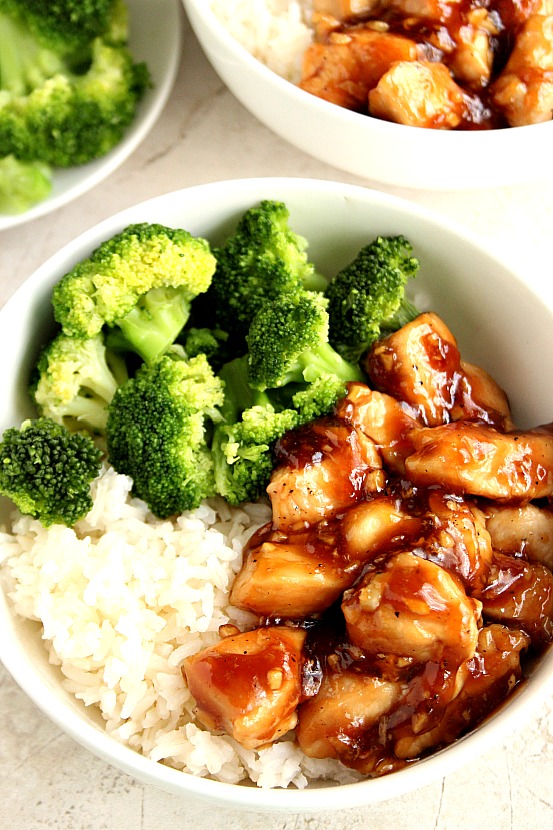
Introduction
Healthy slow-cooker chicken meals combine traditional, low-moisture slow cooking with nutrient-dense, whole-food ingredients to deliver tender proteins without excess saturated fats. According to the USDA Food Safety and Inspection Service (FSIS), maintaining safe internal cooking temperatures while utilizing steady, low-heat appliances ensures both optimal pathogen destruction and moisture retention in lean poultry cuts. These time-tested techniques transform budget-friendly ingredients into wholesome family dinners that support modern dietary requirements without sacrificing traditional comfort. Exploring collections like Chicken Recipes offers numerous pathways to elevate everyday meal planning through reliable, low-effort cooking methods found on WillyRecipes.com.
Culinary Prep Snapshot:
- Core Focus: Low-fat poultry preparation utilizing long, unattended thermal conversion.
- Target Scope: Everyday family nutrition and traditional comfort food meal planning.
- Key Recommendation: Select skinless breast or thigh meat and pair with high-fiber root vegetables.
Core Principles and Detailed Overview
Slow-cooker poultry preparation relies on gentle, steady heat transfer that breaks down connective tissues while keeping lean muscle fibers from drying out. Direct application of moist heat inside a sealed ceramic vessel allows natural aromatics, low-sodium broths, and garden herbs to infuse deep flavors directly into the meat. Traditional home cooks prioritize skinless cuts, such as boneless chicken breasts or trimmed thighs, to keep calorie counts low while maintaining rich mouthfeel through gelatin extraction from bone-in variations. Incorporating robust vegetables like carrots, celery, and onions adds complex natural sweetness, reducing the need for heavy creams or high-sodium flavor enhancers. Mastering these fundamental techniques bridges the gap between old-fashioned comfort cooking and modern nutritional standards, ensuring every batch meets rigorous culinary expectations.
Key Specifications and Breakdown
| Cooking Step / Component | Key Culinary Technique | Chef’s Quality & Food Safety Secret |
|---|---|---|
| Protein Selection | Trimming visible fat and utilizing bone-in or boneless cuts appropriately. | Leave small bones intact for deeper flavor infusion and natural collagen release. |
| Liquid Ratio Control | Restricting added stock to prevent dilution of natural meat juices. | Submerge ingredients only halfway to avoid a watery, diluted braising liquid. |
| Thermal Completion | Verifying doneness using an instant-read digital thermometer at the thickest point. | Remove poultry immediately upon reaching 165°F to prevent stringy, dry texture. |
Always verify that poultry reaches a safe minimum internal temperature of 165°F (74°C) as measured with a food thermometer in the thickest portion of the meat. — USDA Food Safety and Inspection Service (FSIS)
Step-by-Step Practical Application and Guidelines
Executing a successful slow-cooked meal requires a methodical layering approach to ensure even heat distribution and flavor development. Begin by placing denser root vegetables at the bottom of the ceramic insert, where direct thermal contact accelerates softening. Layer trimmed, seasoned chicken pieces directly over the vegetable bed, followed by herbs, spices, and a minimal volume of low-sodium broth or crushed tomatoes. Cover the vessel securely with the fitted lid and resist the urge to open it during the cooking cycle, as heat loss significantly extends processing time. Once the cooking timer finishes, shred or slice the meat directly within its own savory juices to reabsorb maximum moisture before serving alongside grains from Pasta & Rice Recipes or side dishes found under Snacks & Sides.
Common Challenges and How to Avoid Them
Overcooking and excessive liquid accumulation represent the most frequent pitfalls encountered when preparing poultry in a slow cooker. Lean chicken breasts left unattended for extended periods can turn stringy and dry, making precise timing essential for maintaining a tender bite. Counteract this tendency by strictly adhering to recommended cooking windows—typically four to six hours on low heat for boneless cuts. If a sauce appears too thin upon completion, remove the lid during the final thirty minutes of cooking to allow excess moisture to evaporate, or stir in a slurry of arrowroot or cornstarch. Additionally, complement these poultry dishes by exploring hearty alternatives detailed in Soups & Casseroles for a complete culinary repertoire.
💬 Frequently Asked Questions
Explore More Time-Tested Home Recipes on WillyRecipes
Discovering dependable, wholesome meals becomes effortless when utilizing traditional culinary methods and reliable ingredient combinations. Dedicated home cooks seeking further inspiration for wholesome family dinners can browse an extensive collection of seasonal dishes, comforting braises, and appliance techniques available directly through WillyRecipes.com.
Recipe Step Photos & Variations