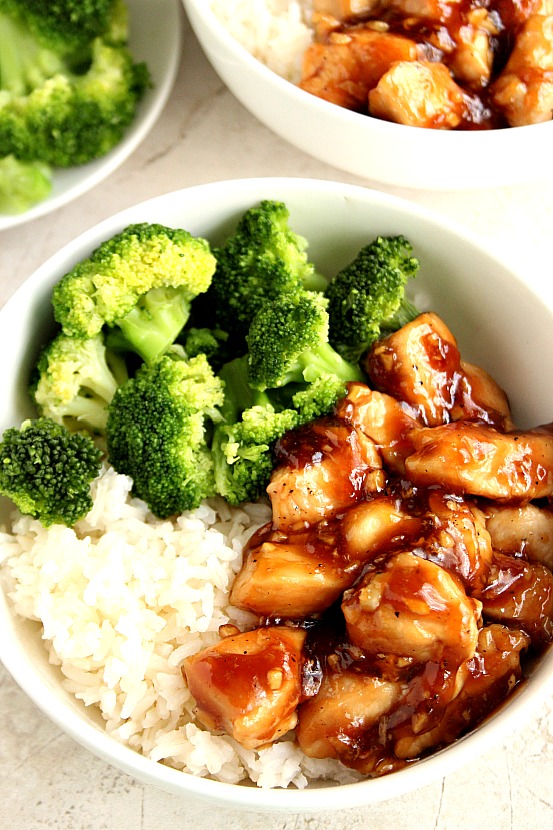
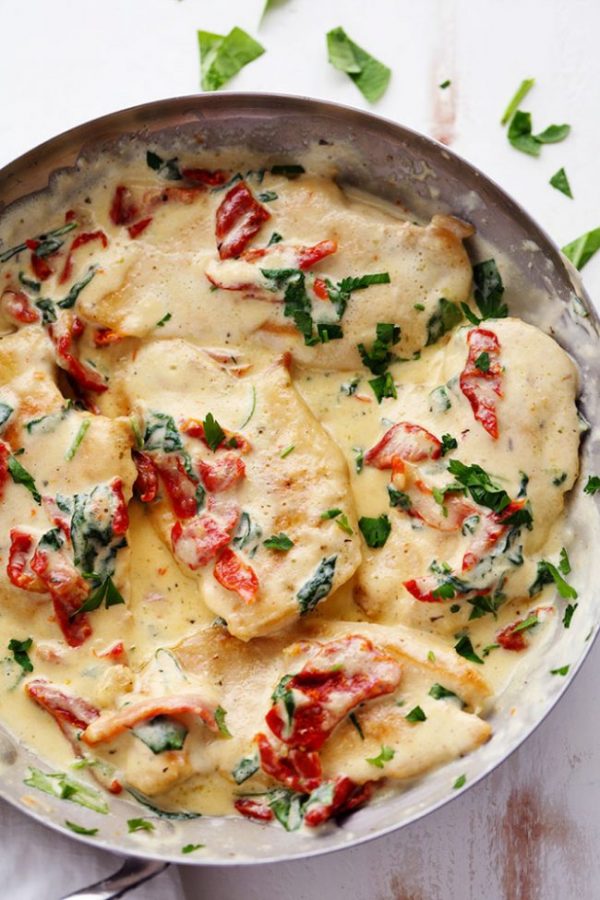
Introduction
Chicken recipes different encompass unconventional culinary preparations that elevate ordinary poultry through heritage flavor profiles, unique braising liquids, and unorthodox textural treatments. According to USDA Food Safety and Inspection Service (FSIS) guidelines, poultry must always reach a safe internal temperature of 165°F (74°C) regardless of the unconventional cooking method applied. Mastering these variations requires a deep understanding of traditional kitchen techniques paired with creative flavor blending. Exploring these distinct variations transforms standard weeknight dinners into memorable culinary experiences found within the comprehensive Chicken Recipes index.
Culinary Prep Snapshot:
- Core Focus: Unconventional comfort food preparations for poultry.
- Target Scope: Traditional home cooks seeking elevated family dinner ideas.
- Key Recommendation: Prioritize proper moisture retention through ancient brining and braising methods.
Core Principles and Detailed Overview
Unconventional chicken recipes rely heavily on contrasting flavor profiles, such as combining rich rendered fats with bright acidic elements like preserved lemons or robust vinegars. The underlying principle involves shifting away from standard dry-heat roasting toward specialized slow-cooking methods that break down connective tissues in unconventional cuts like thighs and drumsticks. Home cooks achieve extraordinary depth by layering aromatics early in the process and utilizing traditional cast-iron vessels for even thermal distribution. This deliberate approach transforms modest ingredients into deeply comforting meals that honor time-tested culinary traditions without relying on processed additives.
Key Specifications and Breakdown
| Cooking Step / Component | Key Culinary Technique | Chef’s Quality & Food Safety Secret |
|---|---|---|
| Preparation and Brining | Submerging in a salt-herb solution | Maintains cellular moisture during high-heat conversion processes. |
| Thermal Searing | Cast-iron caramelization | Develops deep Maillard compounds before the braising phase begins. |
| Internal Verification | Digital probe thermometer insertion | Guarantees 165°F safety threshold without puncturing muscle fibers excessively. |
The internal temperature of all poultry must reach a minimum verified threshold of 165°F (74°C) measured in the thickest part of the meat to ensure complete pathogen destruction. — USDA Food Safety and Inspection Service (FSIS)
Step-by-Step Practical Application and Guidelines
Executing distinct poultry dishes successfully demands precise temperature control and methodical seasoning timing throughout the cooking cycle. Begin by patting the meat thoroughly dry to encourage optimal browning during the initial sear. Next, incorporate signature aromatics, rustic root vegetables, and specialized liquids such as hard cider or spiced broths to build a complex foundation. Cover the heavy-bottomed Dutch oven securely and transfer the vessel to a moderate oven or maintain a low simmer on the stovetop to gently tenderize the meat. Resting the finished dish for ten minutes before serving allows the flavorful juices to redistribute evenly throughout the fibers.
Common Challenges and How to Avoid Them
Dry texture and bland flavor profiles represent the most frequent pitfalls encountered when experimenting with non-standard poultry preparations. Combat dryness by substituting lean chicken breasts with bone-in, skin-on thighs which naturally resist overcooking due to higher fat content. Prevent scorched pan drippings by maintaining moderate heat levels and deglazing the cooking vessel frequently with stock or acidic components. Ensuring accurate thermometer placement away from bones will consistently prevent premature removal from the heat source.
💬 Frequently Asked Questions
Explore More Time-Tested Home Recipes on WillyRecipes
Discovering remarkable variations for family meals extends far beyond poultry preparations. Home cooks can find an extensive collection of traditional comfort foods, baking projects, and hearty mains by visiting the main directory at WillyRecipes.com for endless culinary inspiration.
Recipe Step Photos & Variations