Introduction
Diced chicken recipes maximize surface area for rapid marinade penetration and uniform cooking times, making them an indispensable foundation for traditional comfort food preparations. According to the USDA Food Safety and Inspection Service (FSIS), poultry must reach a minimum internal temperature of 165°F (74°C) to ensure safety, a standard easily monitored in bite-sized pieces using a reliable digital food thermometer. Embracing meticulous knife skills transforms ordinary poultry into tender, succulent additions for heritage Soups & Casseroles without sacrificing moisture or texture.
Culinary Prep Snapshot:
- Core Focus: Uniformly cubing raw or cooked poultry for quick-cooking family dinners and heritage comfort meals.
- Target Scope: Everyday home cooks and traditional meal planners utilizing classic preparation methods.
- Key Recommendation: Maintain consistent piece sizes across all cuts to guarantee simultaneous cooking completion.
Core Principles and Detailed Overview
Uniformly dicing raw meat ensures even heat distribution across every piece, preventing the exterior from scorching before the center finishes cooking. Culinary Institute of America (CIA) standards emphasize that consistency in knife work dictates the final quality of any stovetop skillet meal or hearty bake. When selecting proteins for dicing, boneless, skinless breasts offer a lean profile, while thighs deliver superior natural juiciness due to higher fat content. Dicing requires a sharp chef knife and a stable cutting board dedicated exclusively to poultry to eliminate cross-contamination risks in home kitchens.
Key Specifications and Breakdown
| Cooking Step / Component | Key Culinary Technique | Chef’s Quality & Food Safety Secret |
|---|---|---|
| Knife Preparation | Trim excess cartilage and slice parallel strips before cross-cutting into uniform cubes. | Chilling the raw meat in the freezer for twenty minutes creates a firm texture for cleaner cuts. |
| Thermal Processing | Sauté over medium-high heat in a heavy-bottomed skillet to achieve optimal Maillard browning. | Avoid overcrowding the pan; cooking in batches prevents steaming and guarantees a proper crust. |
| Integration & Pairing | Fold tender morsels into simmering broths, cream sauces, or aromatic Pasta & Rice Recipes. | Add delicate herbs or dairy components at the final stage of heat to prevent separation or scorching. |
Raw poultry requires a verified minimum internal temperature of 165°F (74°C) measured with a food thermometer in the thickest part of the meat to guarantee complete elimination of foodborne pathogens. — USDA Food Safety and Inspection Service (FSIS)
Step-by-Step Practical Application and Guidelines
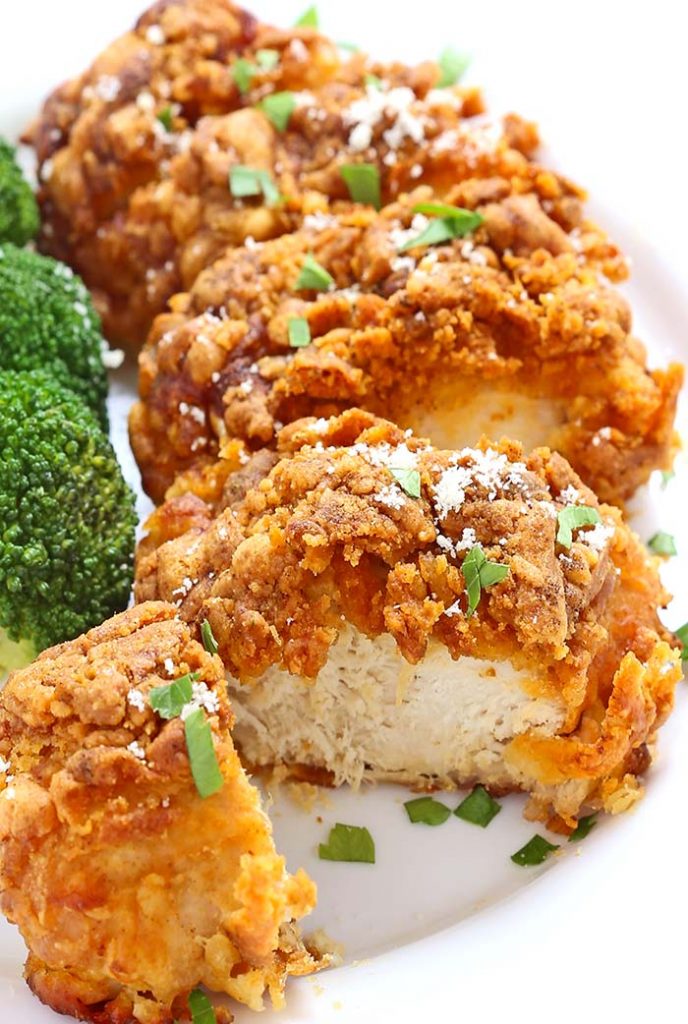
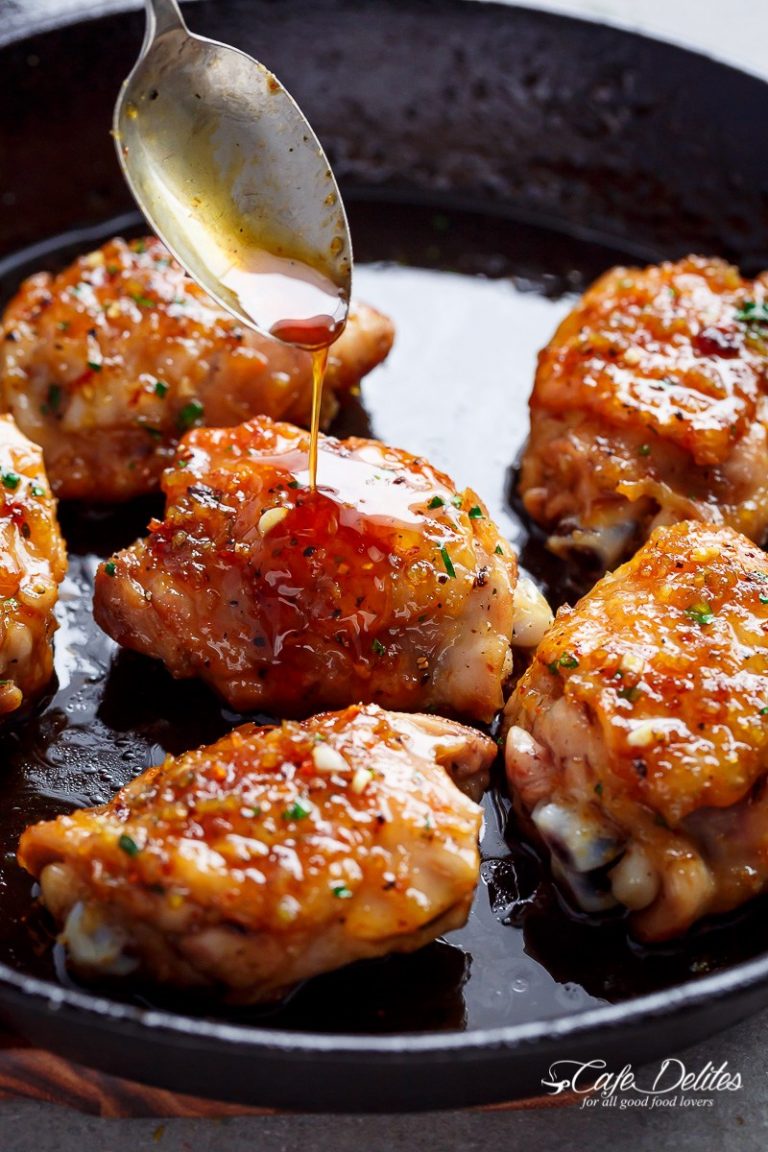
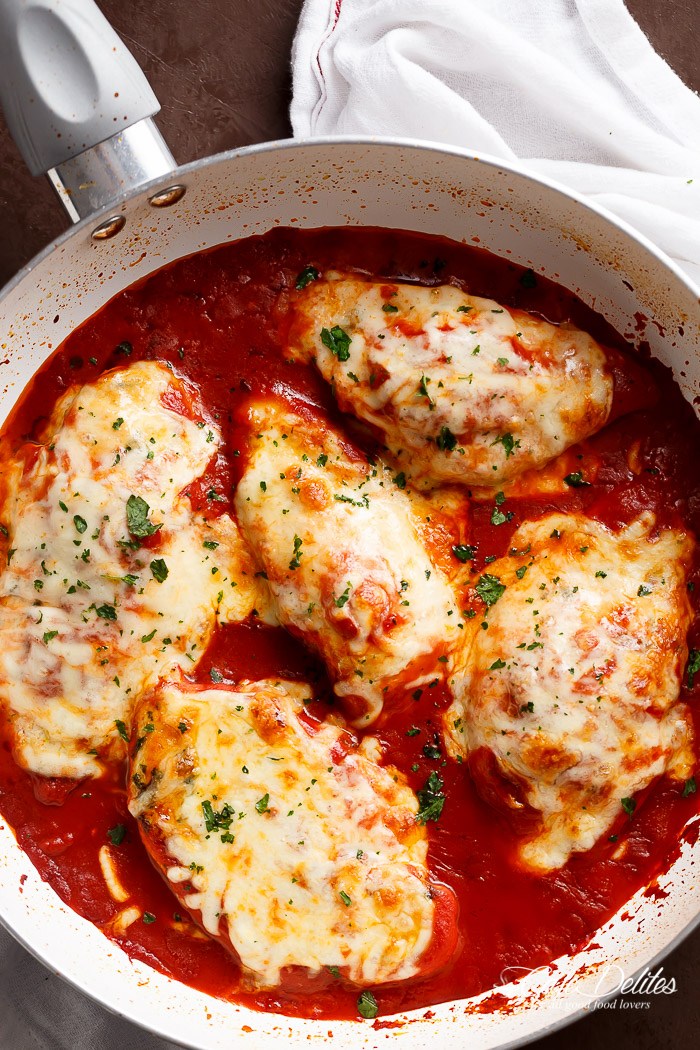
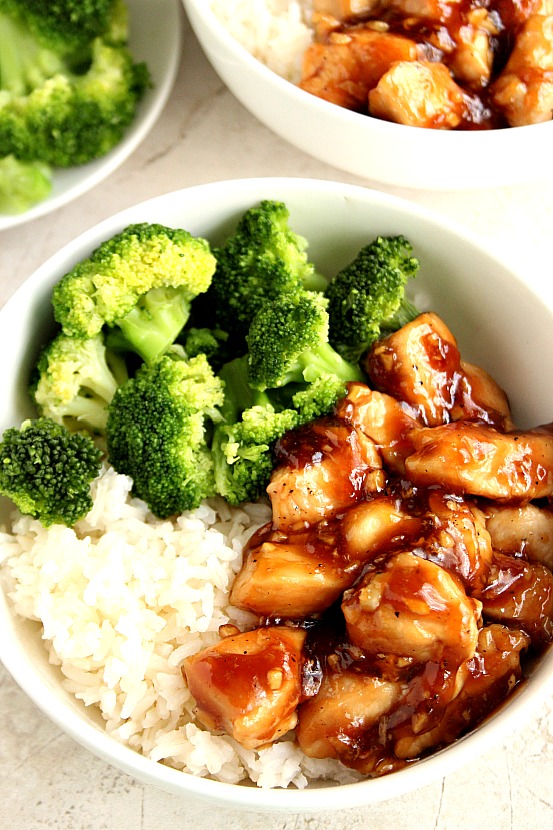
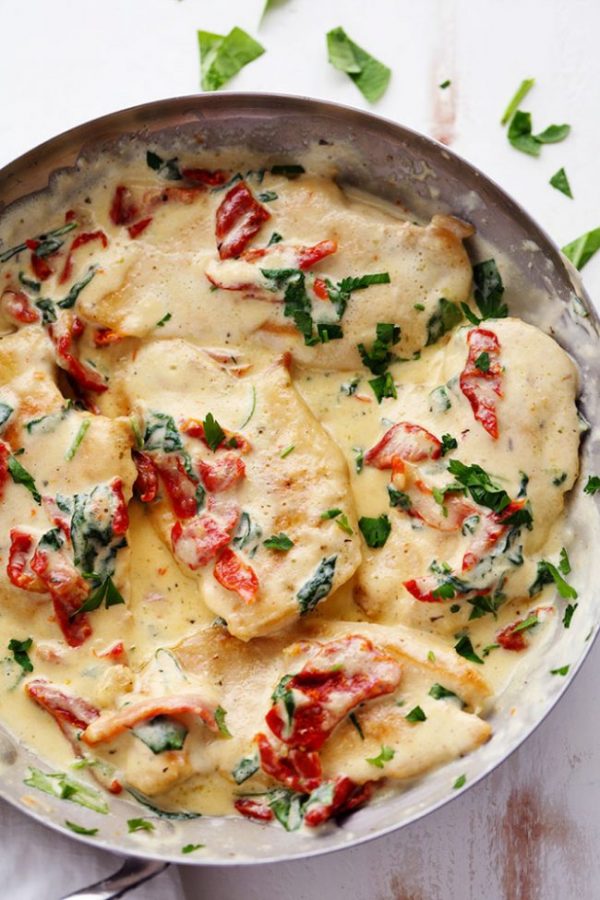
Executing flawless diced poultry dishes begins with thorough surface sanitation and proper tool selection for safe food handling. Start by patting the meat dry with paper towels to eliminate excess moisture, which enables superior searing when introduced to hot fats. Slice the meat lengthwise into uniform strips approximately three-quarters of an inch thick, then cut crosswise to create evenly proportioned cubes. Heat a seasoned cast-iron skillet or heavy sauté pan over medium-high heat, add a high-smoke-point oil, and introduce the pieces without overlapping. Sear undisturbed for three minutes to develop a rich golden crust before tossing frequently until the interior reaches the requisite food safety benchmark. For alternative meal preparations, incorporating these tender bites into hearty Chicken Recipes guarantees satisfying textures and robust flavor profiles.
Common Challenges and How to Avoid Them
Dry texture and uneven browning represent the most frequent pitfalls encountered when preparing small poultry cuts at home. Overcrowding the pan causes the natural juices to release too rapidly, turning a dry-heat sear into an unwanted boiling process. Combat this issue by working in small batches or utilizing a generously sized skillet that allows adequate space between individual pieces. Additionally, dull blades mangle the fibers rather than slicing cleanly, squeezing out valuable moisture before the cooking process even begins. Maintaining a razor-sharp edge ensures cellular walls remain intact, sealing in natural savory juices for an exceptionally moist end result.
💬 Frequently Asked Questions
Explore More Time-Tested Home Recipes on WillyRecipes
Mastering fundamental kitchen preparations empowers home cooks to build nourishing, flavorful meals tailored for family gatherings and weeknight comfort dining. Expanding culinary repertoires across various categories ensures endless inspiration for breakfast, lunch, and dinner. Discover traditional favorites, wholesome comfort foods, and expert baking guides by visiting the complete collection at WillyRecipes.com today.
Recipe Step Photos & Variations