Introduction
Achieving consistently delicious chicken recipes requires mastering fundamental heat transfer, moisture retention, and traditional comfort food preparation methods. According to USDA Food Safety and Inspection Service (FSIS) standards, raw poultry must always be handled with strict sanitation and cooked to an internal temperature of 165 degrees Fahrenheit to guarantee safety without sacrificing flavor. Traditional home-style cooking relies on time-tested techniques such as bone-in roasting, slow braising, and seasoned pan-searing to transform simple ingredients into extraordinary family meals. Exploring diverse culinary styles within the dedicated Chicken Recipes collection provides home cooks with reliable frameworks for daily meal planning. Incorporating heritage methods ensures that every bird retains its natural succulence while developing deeply savory pan drippings and aromatic crusts.
Culinary Prep Snapshot:
- Core Focus: Traditional methods for creating deeply flavorful and moist chicken dishes.
- Target Scope: Family meal planners and home cooks seeking reliable comfort food outcomes.
- Key Recommendation: Utilize bone-in cuts and precise thermometer checks to maximize taste and safety.
Core Principles and Detailed Overview
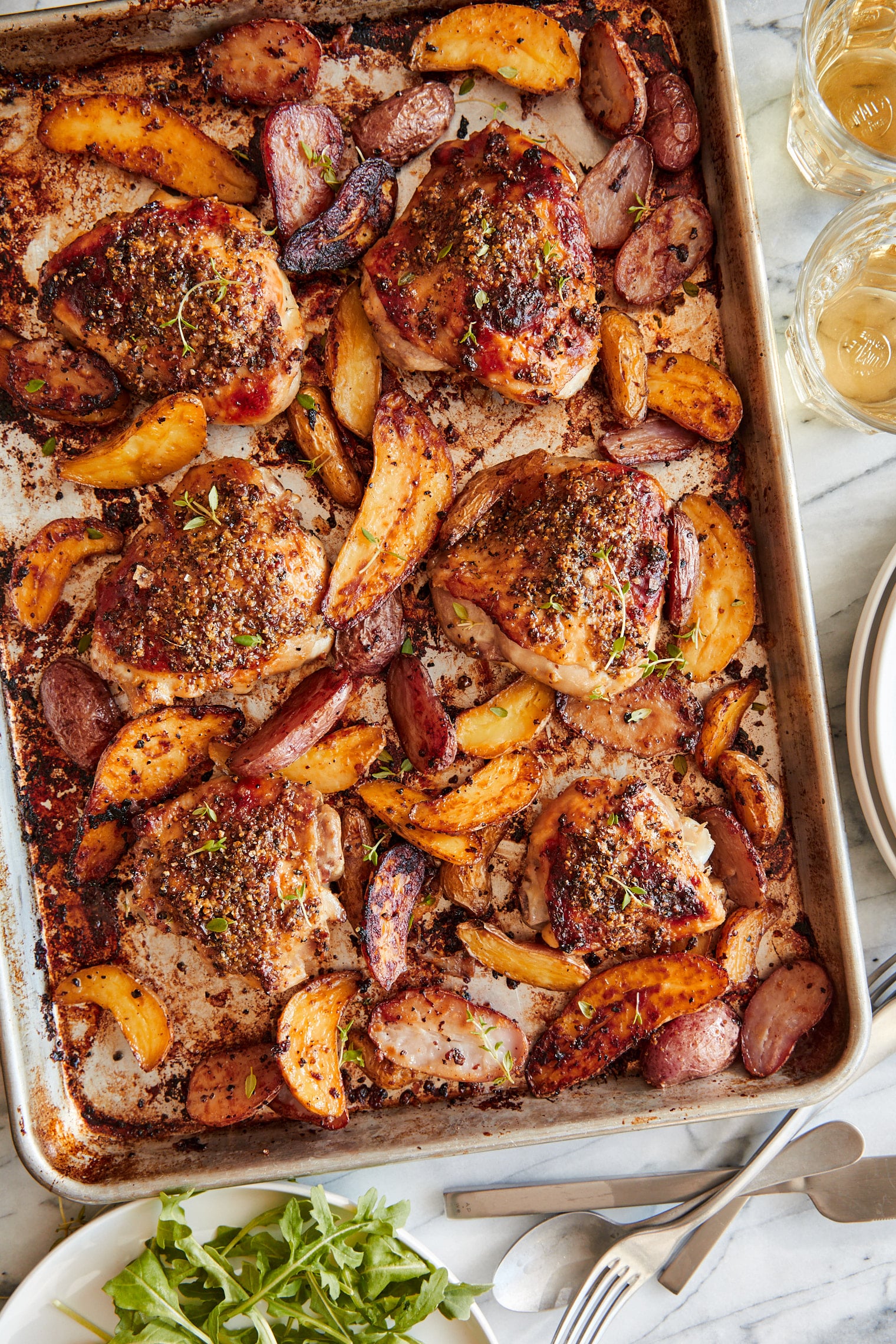
Mastering chicken recipes delicious in character begins with understanding how connective tissues and muscle fibers respond to different cooking environments. Dry heat methods like roasting suit tender cuts, whereas moist heat applications such as stewing break down tough collagen in whole birds or dark meat. Culinary professionals emphasize seasoning beneath the skin, allowing salt to penetrate deep into the protein structure hours before heat application. Pairing these preparations with complementary culinary foundations from Cooking Methods & Appliances elevates standard weeknight dinners into memorable culinary traditions. Attention to detail regarding fat rendering and pan fond development creates the rich gravies and sauces essential for authentic home-style comfort cooking.
Key Specifications and Breakdown
| Cooking Step / Component | Key Culinary Technique | Chef’s Quality & Food Safety Secret |
|---|---|---|
| Initial Preparation | Dry brining with coarse kosher salt | Refrigerate uncovered for 12 hours to crisp skin and season meat thoroughly. |
| Thermal Processing | Braising or roasting with aromatic fats | Verify doneness using a digital probe thermometer at the thickest joint. |
| Post-Cooking Rest | Uncovered resting on a wire rack | Allow juices to redistribute evenly before carving to prevent moisture loss. |
Whole poultry and ground chicken products must reach a safe minimum internal temperature of 165°F (74°C) measured with a food thermometer in the innermost part of the thigh and wing or thickest part of the meat. — USDA Food Safety and Inspection Service (FSIS)
Step-by-Step Practical Application and Guidelines
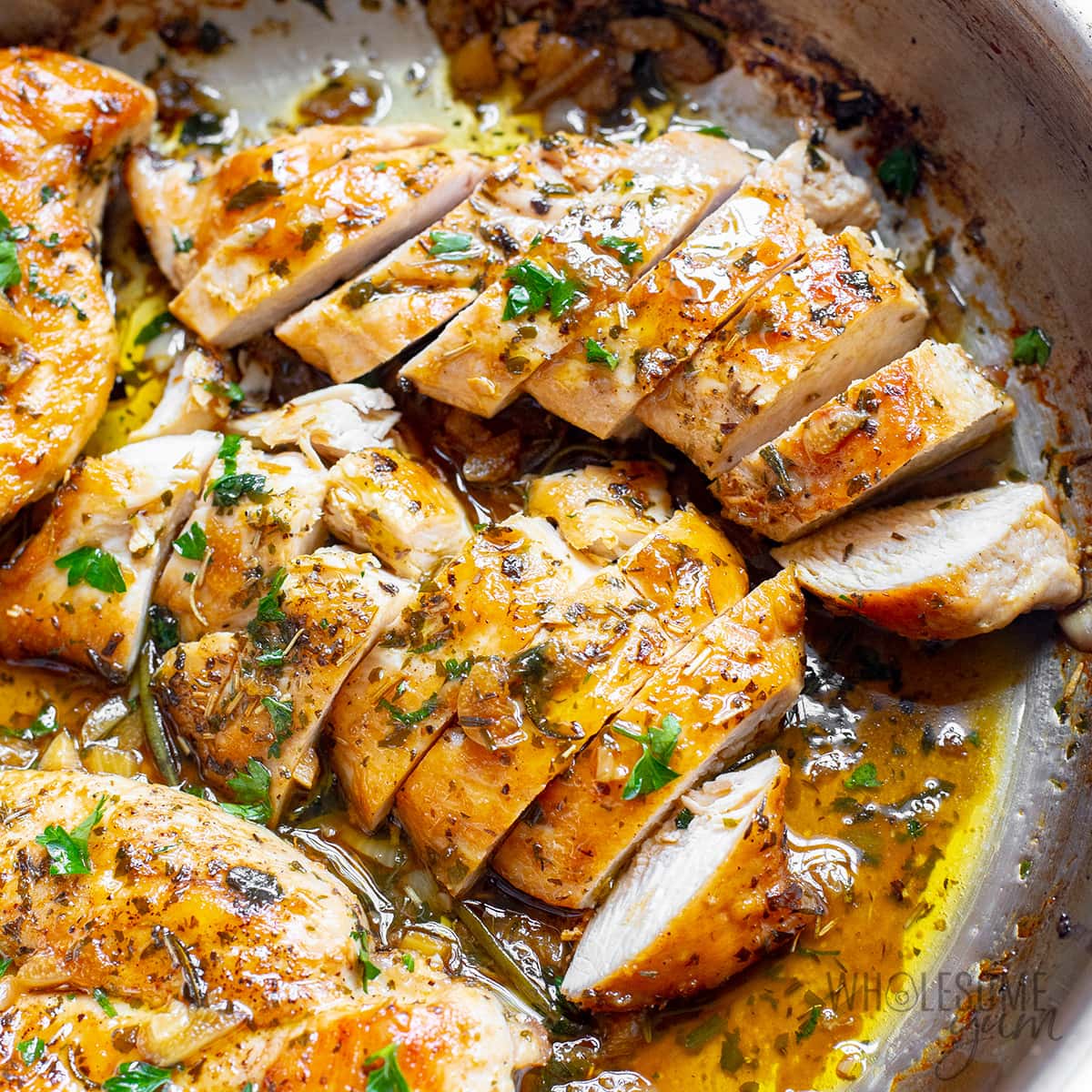
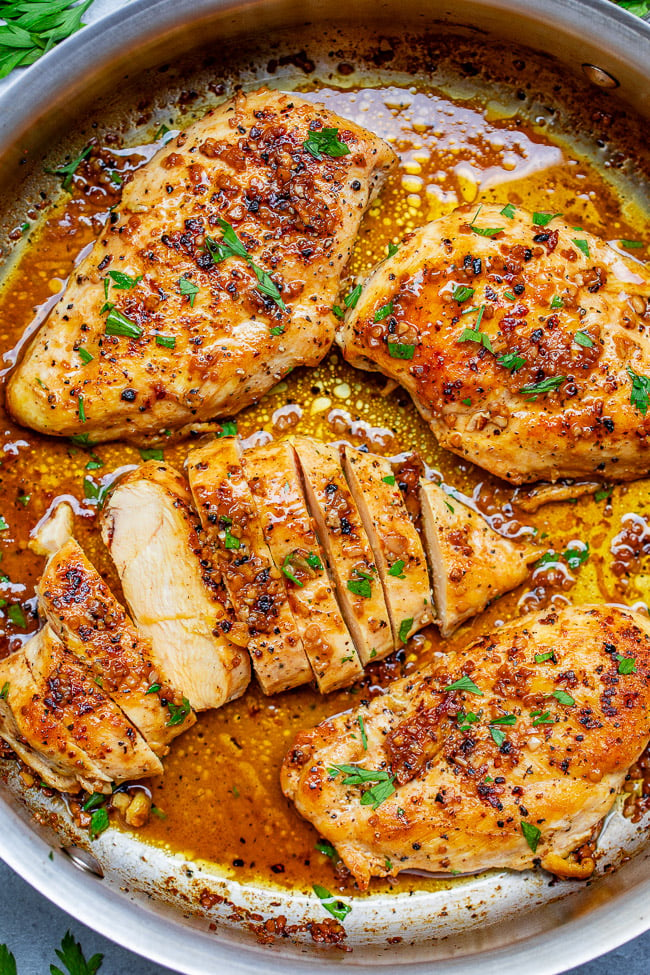
Executing superior chicken recipes delicious in flavor demands a methodical approach from raw preparation to final plating. Begin by patting the poultry completely dry with paper towels to ensure effective searing and skin crisping. Layer aromatics such as garlic, thyme, and butter beneath loosened skin pockets to infuse the meat directly during the heating process. Monitor pan temperatures closely to prevent butter solids from burning while developing a deep golden-brown exterior. Integrating these savory dishes alongside complementary sides found within Snacks & Sides creates a balanced, harmonious spread for any traditional family gathering.
Common Challenges and How to Avoid Them
Preventing dry breast meat is the primary challenge home cooks face when preparing poultry dishes. Overcooking occurs rapidly when relying solely on estimated time rather than accurate internal temperature measurement. Utilizing a calibrated digital meat thermometer eliminates guesswork and protects against both dry textures and food safety hazards. Furthermore, rushing the resting phase causes valuable natural juices to escape onto the cutting board instead of remaining within the muscle fibers. Allowing roasted or pan-seared chicken to rest undisturbed for ten minutes guarantees a tender, moist, and flavorful result every single time.
💬 Frequently Asked Questions
Explore More Time-Tested Home Recipes on WillyRecipes
Continuing culinary education in traditional home-style cooking brings warmth and satisfaction to every family table. Discover additional heritage meal ideas, baking staples, and comforting classics by exploring the complete recipe archive at WillyRecipes.com today.
Recipe Step Photos & Variations