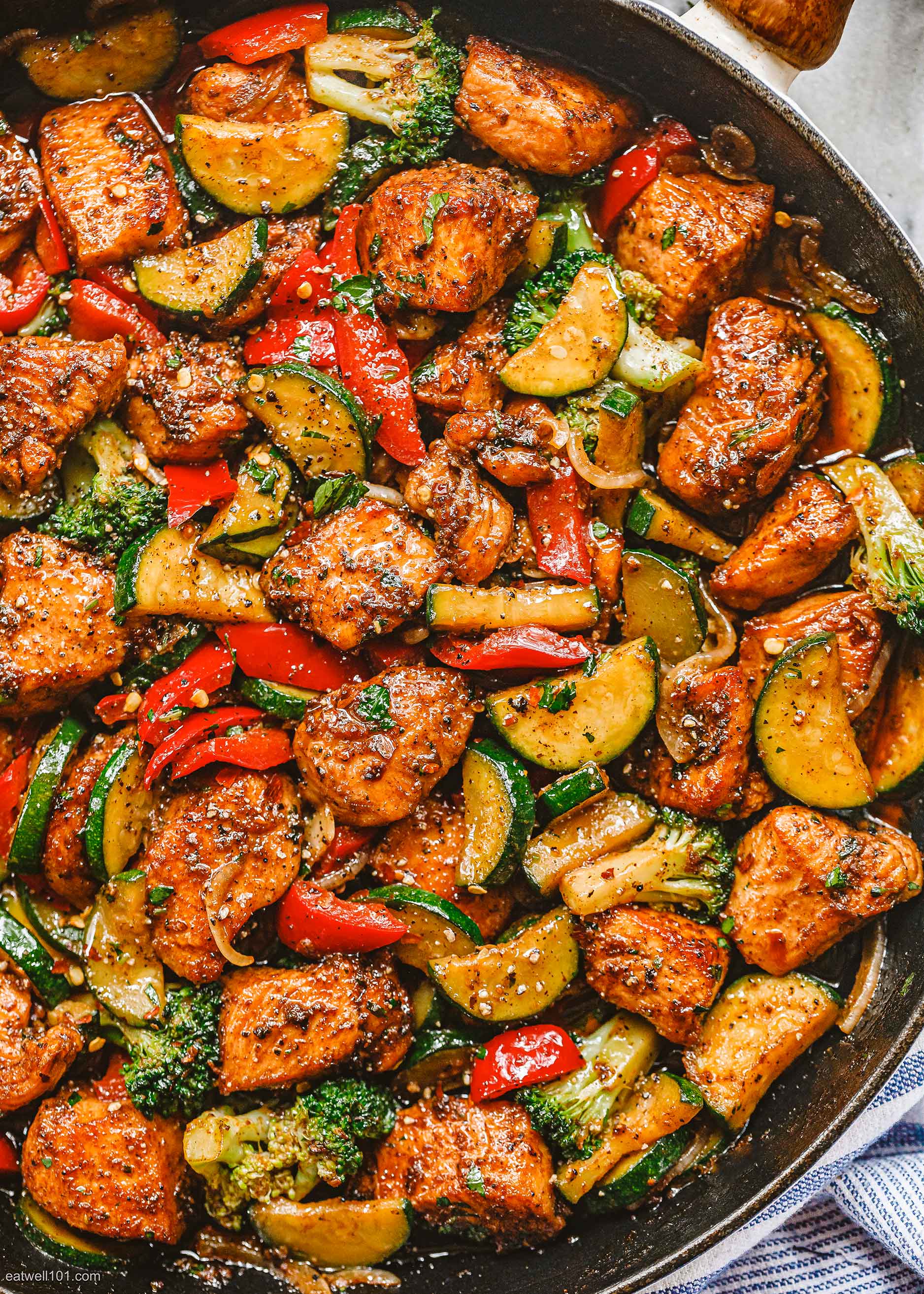
Introduction
Chicken recipes easy on the stomach utilize gentle cooking methods, minimal dietary fats, and tenderizing techniques to produce highly digestible, comforting traditional meals. According to Harold McGee’s Food Science Benchmarks, connective tissues in poultry break down into easily digestible gelatin when subjected to slow, moist heat over extended cooking durations. This time-tested preparation style removes harsh spices and excessive oils, making these dishes ideal for delicate digestions, recovery periods, and wholesome family dinners. Home cooks seeking more traditional poultry inspiration can explore the curated collection found at Chicken Recipes.
Culinary Prep Snapshot:
- Core Focus: Direct 1-sentence summary of chicken recipes easy on the stomach.
- Target Scope: Primary intended use case and audience setting.
- Key Recommendation: 1 high-impact actionable best practice.
Core Principles and Detailed Overview
Digestible poultry preparation relies on selecting lean cuts such as skinless chicken breast or tenderloin and applying moist-heat methods that prevent protein toughening. Traditional home-style cooking avoids heavy frying, excessive garlic, and fiery peppers, opting instead for clean broths, steamed root vegetables, and plain starches like white rice or boiled potatoes. Culinary practitioners emphasize that proper chewing combined with thoroughly braised or simmered poultry significantly lessens gastrointestinal strain. For complementary comfort foods that pair well with gentle poultry meals, home chefs frequently consult the recipes listed in Soups & Casseroles.
Key Specifications and Breakdown
| Cooking Step / Component | Key Culinary Technique | Chef’s Quality & Food Safety Secret |
|---|---|---|
| Meat Selection | Skinless breast or tenderloin trimming | Remove all visible surface fat to prevent heavy digestive distress. |
| Thermal Processing | Gentle simmering or steaming | Maintain liquid below a rolling boil to keep muscle fibers exceptionally tender. |
| Internal Verification | Digital thermometer probing | Ensure internal temperature reaches 165°F while preserving maximum natural moisture. |
Poultry cooked to an internal temperature of 165°F ensures total food safety while retaining optimal structural tenderness for sensitive digestive tracts. — USDA Food Safety and Inspection Service (FSIS). Related guide: Baloney Salad Recipes.
Step-by-Step Practical Application and Guidelines
Executing a stomach-friendly poultry dish begins by submerging trimmed skinless chicken pieces into a simmering pot of filtered water or low-sodium bone broth alongside mild aromatics like carrots and celery. Cooking requires a covered vessel maintained at a low, steady simmer for thirty to forty-five minutes until the meat shreds effortlessly with a fork. Once tender, the chicken can be diced or shredded and folded back into its strained, fat-skimmed cooking broth or served alongside easily processed grains found within Pasta & Rice Recipes. Seasoning should remain intentionally subtle, utilizing mild herbs like parsley or a pinch of salt rather than pungent spices that irritate the gastric lining.
Common Challenges and How to Avoid Them
Dry, stringy meat represents the primary obstacle when preparing bland, easily digestible poultry dishes, usually caused by boiling over high heat or overcooking lean cuts. Preventing tough poultry requires removing the pot from the direct heat source the moment internal doneness is achieved, allowing the protein to rest briefly in its own warm broth. Additionally, cooks must avoid adding heavy creams, excessive onions, or citrus juices that introduce acidity and high fat content, both of which counteract the soothing nature of the meal. Careful temperature control and strict adherence to traditional simmering methods guarantee a uniformly soft, easily processed final dish.
💬 Frequently Asked Questions
Explore More Time-Tested Home Recipes on WillyRecipes
Mastering comforting, traditional dishes ensures every family meal brings nourishment and culinary satisfaction to the table. Discover additional time-tested preparation techniques, heritage cooking styles, and wholesome meal ideas by browsing the complete archives available directly at WillyRecipes.com.
Recipe Step Photos & Variations