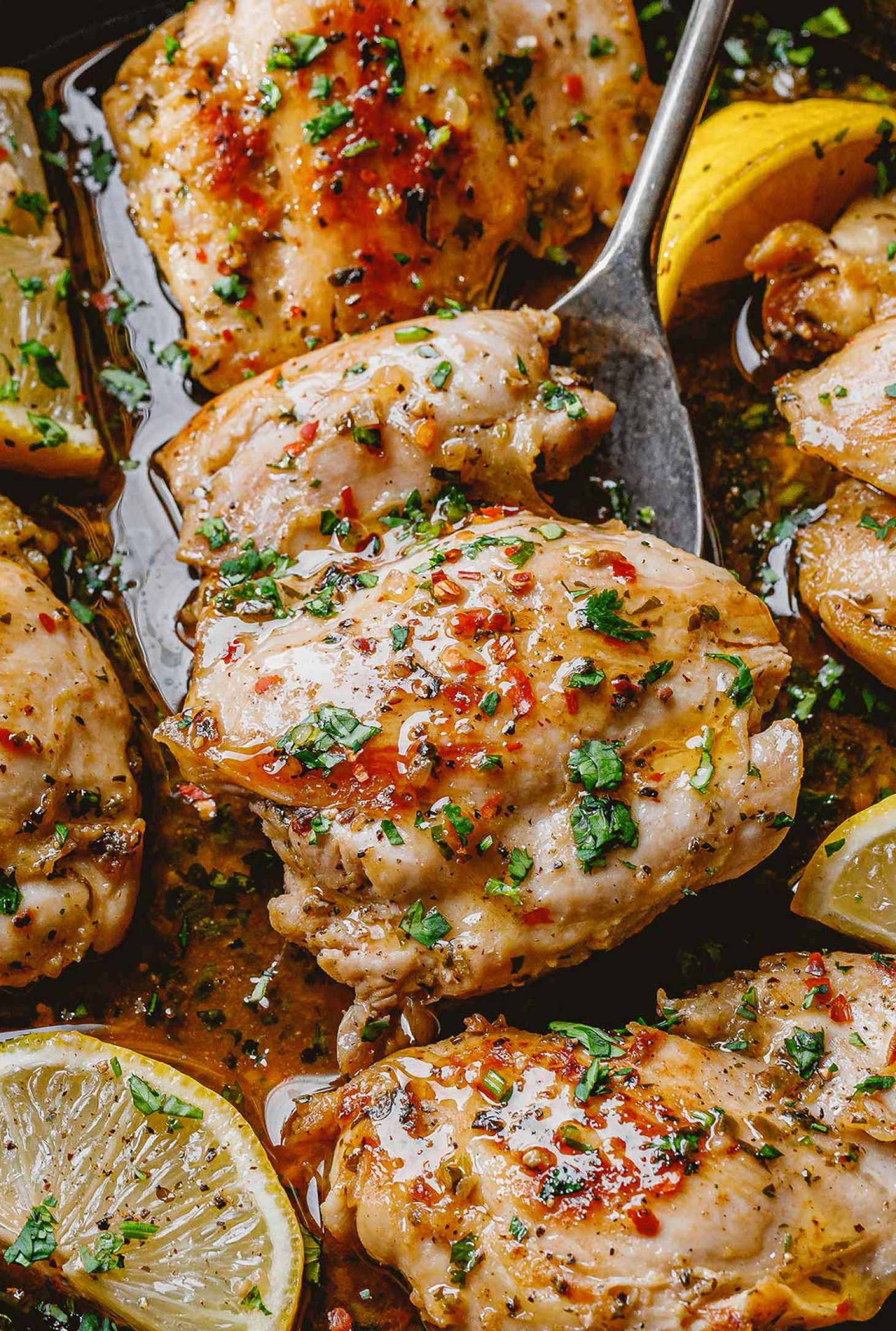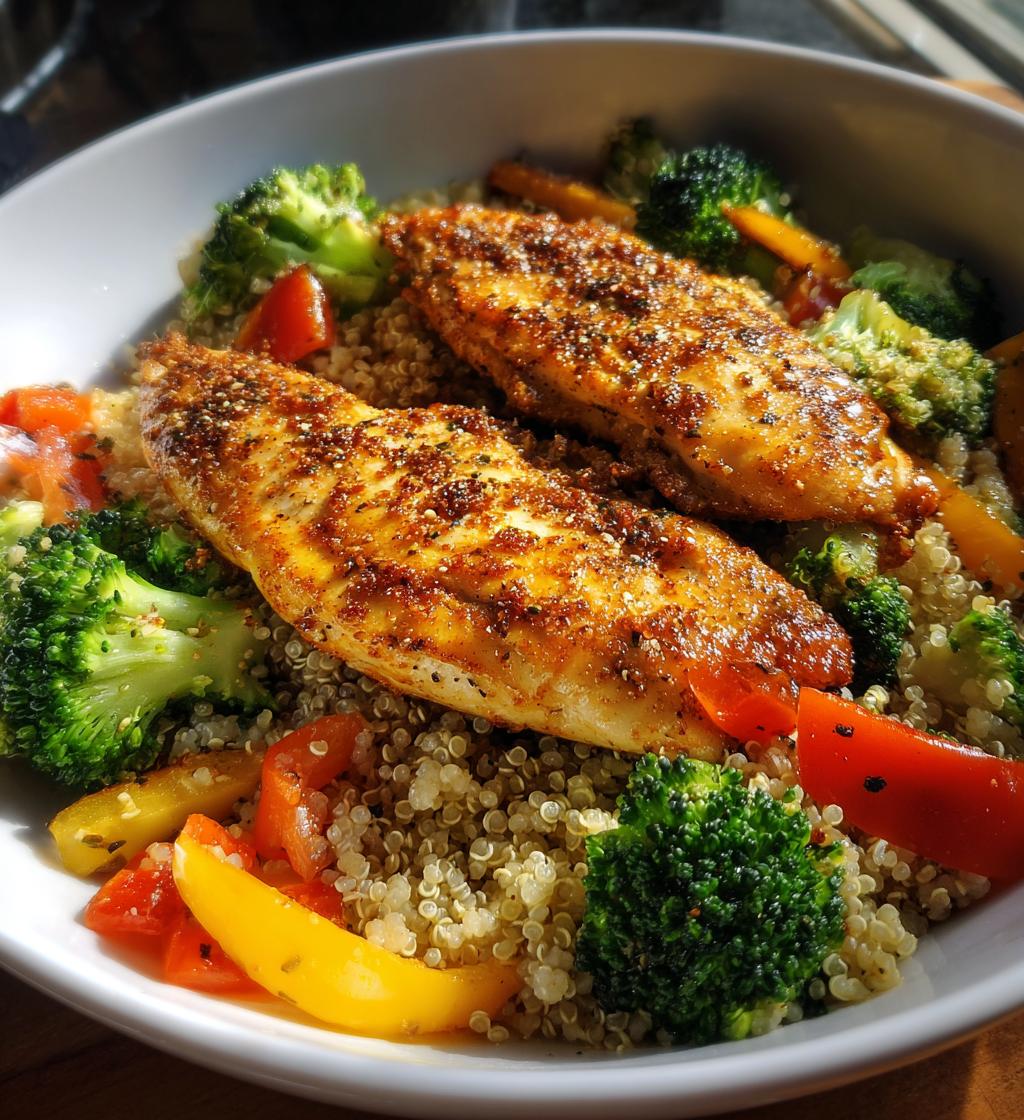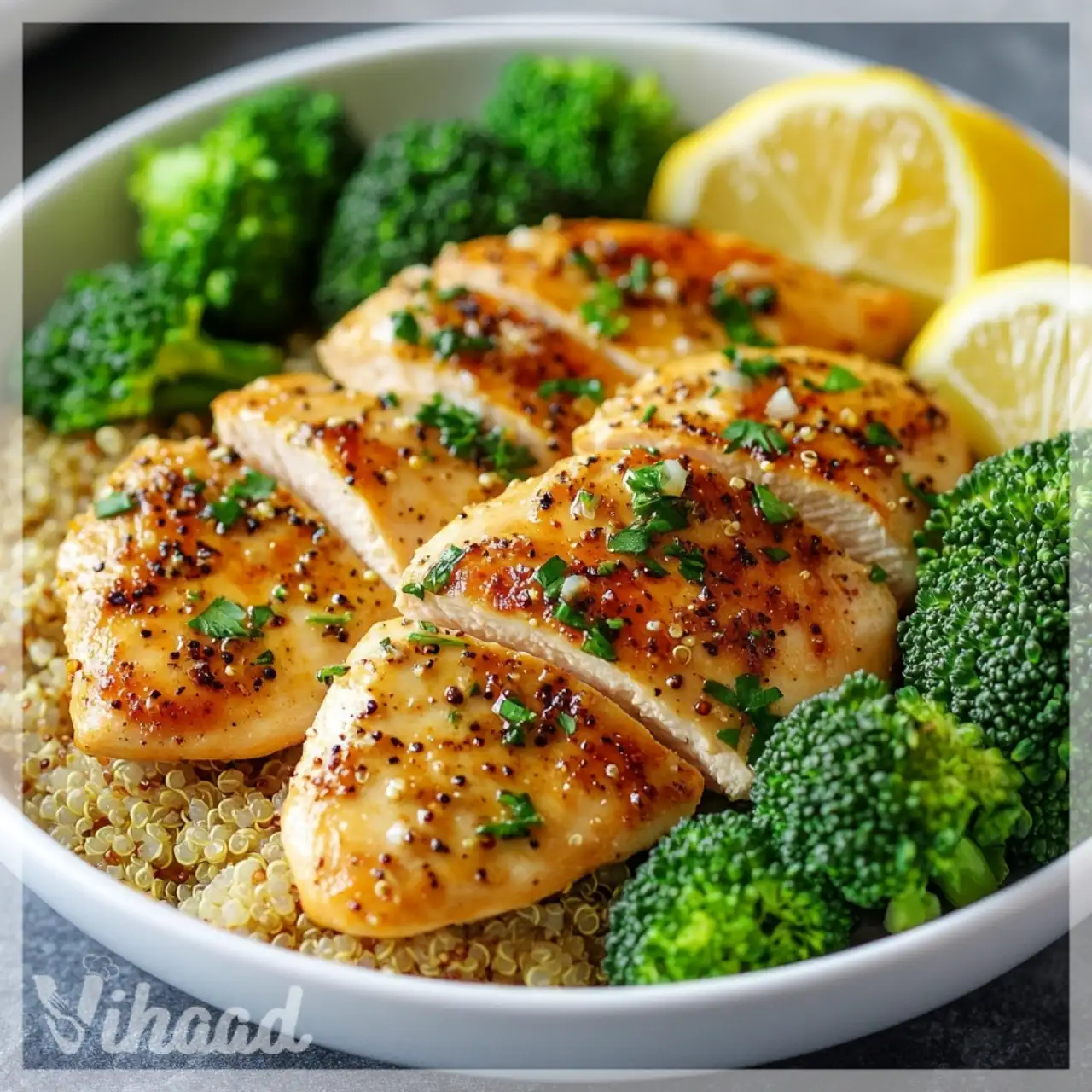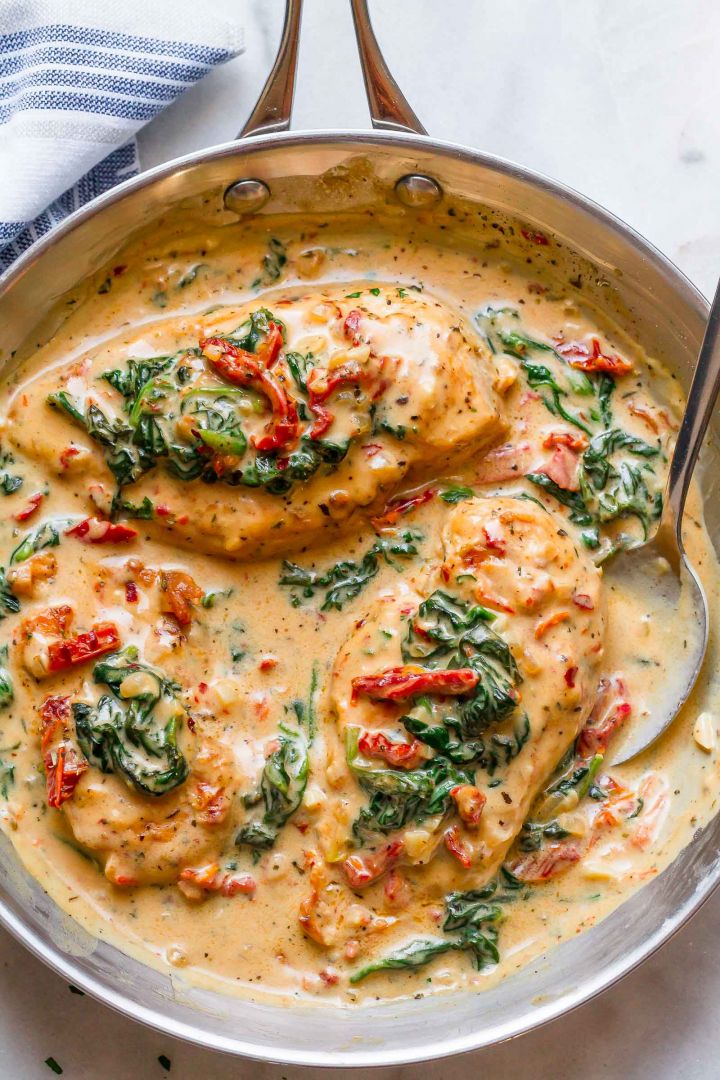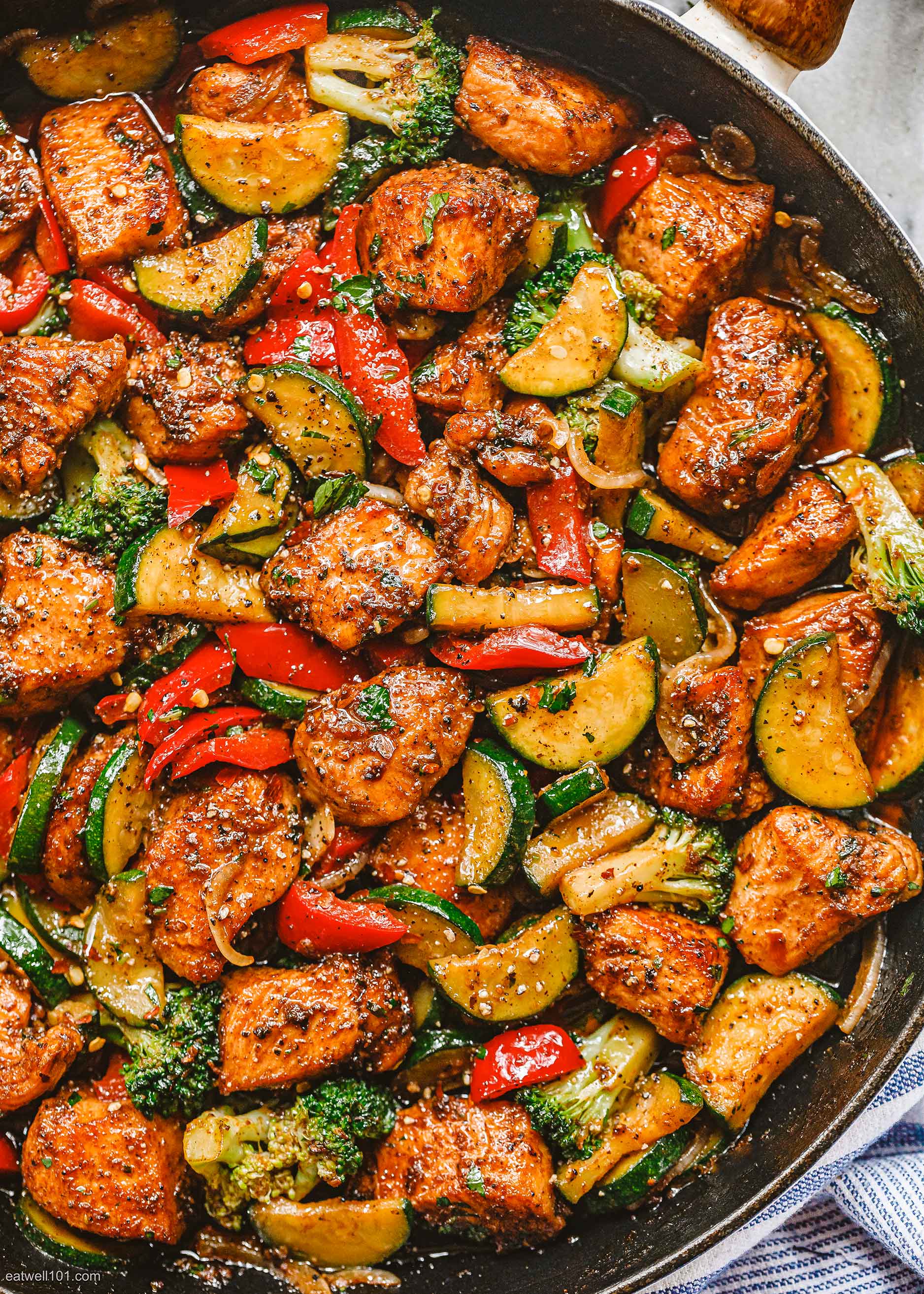
Introduction
Preparing wholesome poultry meals requires balancing efficient preparation methods with traditional flavors to yield nutritious comfort food. According to the USDA Food Safety and Inspection Service (FSIS), maintaining proper temperature control during poultry preparation is essential for optimal flavor preservation and food safety. Simple weeknight poultry dishes rely on time-tested culinary techniques, fresh herbs, and minimal processing to deliver satisfying nourishment. Exploring balanced home-cooked meals fits naturally alongside heartier options found within Chicken Recipes and various companion dishes.
Culinary Prep Snapshot:
- Core Focus: Healthy, straightforward poultry preparation grounded in traditional techniques.
- Target Scope: Busy family meal planning and wholesome comfort food preparation.
- Key Recommendation: Prioritize bone-in cuts for moisture retention while keeping added fats minimal.
Core Principles and Detailed Overview
Achieving balance in wholesome weeknight cooking depends on selecting versatile ingredients and applying proper thermal management. Simplicity in the kitchen highlights natural flavors without relying on heavy gravies or excessive oils. Traditional home kitchens achieve this through methods like dry-rubbing with aromatic spices, poaching in seasoned broths, or roasting on a bed of root vegetables. Mastering these fundamentals transforms basic ingredients into satisfying meals that support balanced nutrition without sacrificing rich, savory depth. Culinary enthusiasts seeking variety can also pair these poultry dishes with options from Pasta & Rice Recipes for complete family dinners.
Key Specifications and Breakdown
| Cooking Step / Component | Key Culinary Technique | Chef’s Quality & Food Safety Secret |
|---|---|---|
| Poultry Selection | Sourcing fresh, high-grade organic cuts | Inspect surface sheen and aroma before purchasing. |
| Thermal Processing | Controlled roasting or gentle poaching | Verify internal temperature reaches 165°F using a calibrated probe thermometer. |
| Flavor Infusion | Dry-brining with herbs and citrus zest | Allow salt to penetrate muscle tissue for thirty minutes prior to heat application. |
Poultry must achieve a safe minimum internal temperature of 165°F (74°C) measured in the thickest part of the meat to ensure complete pathogen elimination while retaining natural moisture. — USDA Food Safety and Inspection Service (FSIS). Related guide: Carrabba’S Sausage Lentil Soup.
Step-by-Step Practical Application and Guidelines
Executing reliable weeknight meal preparation starts with systematic mise en place and consistent cooking temperatures. Begin by patting the poultry completely dry with paper towels to ensure effective browning and spice adherence. Apply a balanced blend of kosher salt, cracked black pepper, and dried Mediterranean herbs directly to the surface. Preheat the oven or skillet thoroughly before introducing the protein to seal in natural juices and prevent sticking. Allow the cooked poultry to rest undisturbed for five to ten minutes before slicing, permitting the internal juices to redistribute evenly throughout the fibers.
Common Challenges and How to Avoid Them
Dry texture and bland flavor profiles represent the most frequent obstacles encountered when preparing lean poultry dishes. Prevent dryness by avoiding excessive cooking times and utilizing bone-in cuts where possible, as bones act as a natural thermal insulator. Incorporating acidic marinades containing citrus juice or vinegar breaks down outer proteins gently, yielding a tender bite. Proper seasoning timing prevents surface salt from drawing out moisture prematurely, ensuring a succulent final result every time.
💬 Frequently Asked Questions
Explore More Time-Tested Home Recipes on WillyRecipes
Mastering wholesome poultry dishes opens the door to countless traditional family meals and comforting culinary traditions. Every home cook can expand their recipe repertoire by browsing the extensive collection of balanced meals, savory sides, and classic cooking techniques available directly at WillyRecipes.com.
Recipe Step Photos & Variations