Introduction
Quick and effortless chicken dishes deliver traditional comfort food flavors to the family dinner table in under thirty minutes through high-heat searing, braising, and skillet roasting methods. According to the United States Department of Agriculture (USDA) Food Safety and Inspection Service (FSIS), raw poultry must be handled safely and cooked to a minimum internal temperature of 165 degrees Fahrenheit to ensure complete microbiological safety without sacrificing natural moisture. Mastering these time-tested culinary approaches allows busy home cooks to produce consistently tender results while exploring diverse culinary categories like Chicken Recipes and hearty weeknight Soups & Casseroles without sacrificing authentic homestyle taste.
Culinary Prep Snapshot:
- Core Focus: Fast, reliable home-style poultry cooking techniques prioritizing flavor and safety.
- Target Scope: Busy family meal planners seeking traditional comfort meals.
- Key Recommendation: Utilize bone-in, skin-on cuts or pounded boneless breasts for even heat penetration.
Core Principles and Detailed Overview
Fast and simple poultry preparation relies on thermal efficiency, uniform portioning, and controlled moisture retention to eliminate dry, rubbery textures. Selecting cuts of uniform thickness ensures the exterior achieves a golden-brown Maillard reaction while the interior safely reaches required temperatures. Traditional home cooks frequently combine quick pan-searing with pan-sauce reductions, creating rich culinary foundations that pair exceptionally well with side dishes found in Snacks & Sides or comforting accompaniments from Pasta & Rice Recipes. Understanding the structural behavior of meat fibers under rapid thermal transfer prevents moisture loss and preserves traditional flavor profiles.
Key Specifications and Breakdown
| Cooking Step / Component | Key Culinary Technique | Chef’s Quality & Food Safety Secret |
|---|---|---|
| Meat Preparation | Pounding to even half-inch thickness | Ensures uniform cooking times and prevents overcooking outer edges. |
| Thermal Searing | High-heat cast-iron skillet contact | Develops rich savory flavor compounds without drying out the interior. |
| Internal Verification | Instant-read digital thermometer placement | Guarantees food safety at precisely 165°F without guesswork. |
Poultry safety standards mandate cooking whole cuts and ground poultry to an internal temperature of 165°F verified with a calibrated food thermometer inserted into the thickest portion. — USDA Food Safety and Inspection Service (FSIS)
Step-by-Step Practical Application and Guidelines
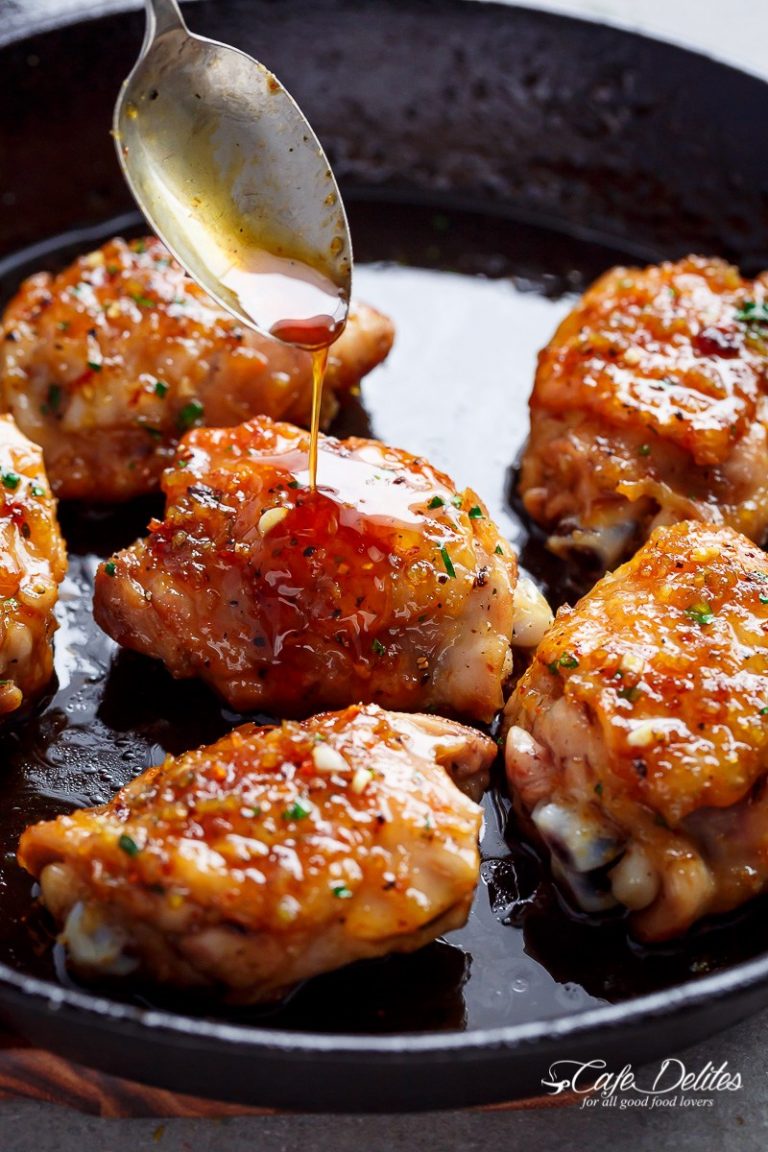
Executing rapid weeknight poultry dishes begins with thoroughly patting the meat dry with paper towels to eliminate surface moisture that inhibits proper browning. Seasoning generously with coarse salt and cracked black pepper at least ten minutes prior to cooking allows internal proteins to absorb essential flavor enhancers. Heating a heavy-bottomed skillet over medium-high heat with a high-smoke-point fat creates an ideal searing environment before introducing the chicken. Cooking undisturbed for several minutes builds a natural release crust, after which the cut is flipped and finished with aromatics, butter, or chicken stock to form an instant pan sauce.
Common Challenges and How to Avoid Them
Dry, tough meat and sticking to the pan surface represent the most frequent obstacles encountered during expedited poultry preparation. Preventing these culinary failures requires bringing the meat to room temperature before cooking, ensuring the pan is sufficiently preheated, and resisting the urge to move the pieces prematurely during the initial sear. If pan-sticking occurs, lowering the heat slightly and allowing a natural crust to form will release the protein fibers effortlessly from the metal surface, preserving visual presentation and moisture integrity.
💬 Frequently Asked Questions
Explore More Time-Tested Home Recipes on WillyRecipes
Discover additional heritage cooking inspiration, traditional comfort meals, and reliable kitchen techniques by browsing the extensive archives available at WillyRecipes.com.
Recipe Step Photos & Variations