Introduction
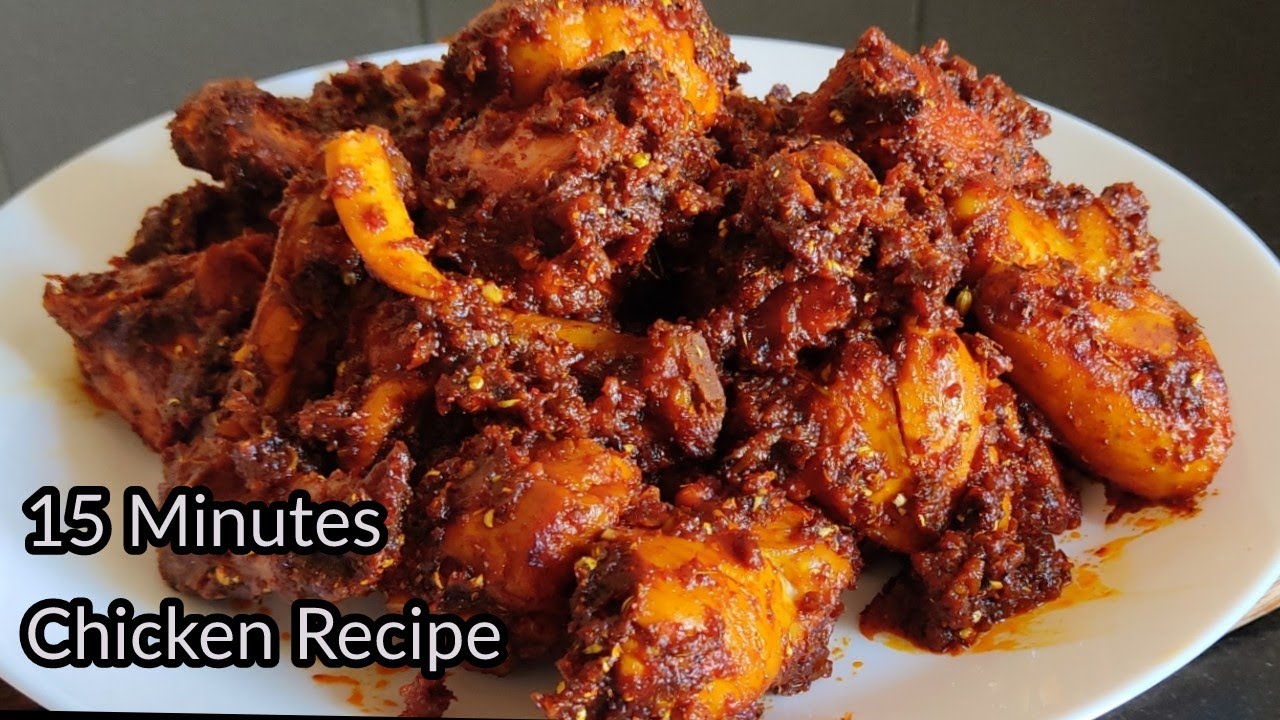
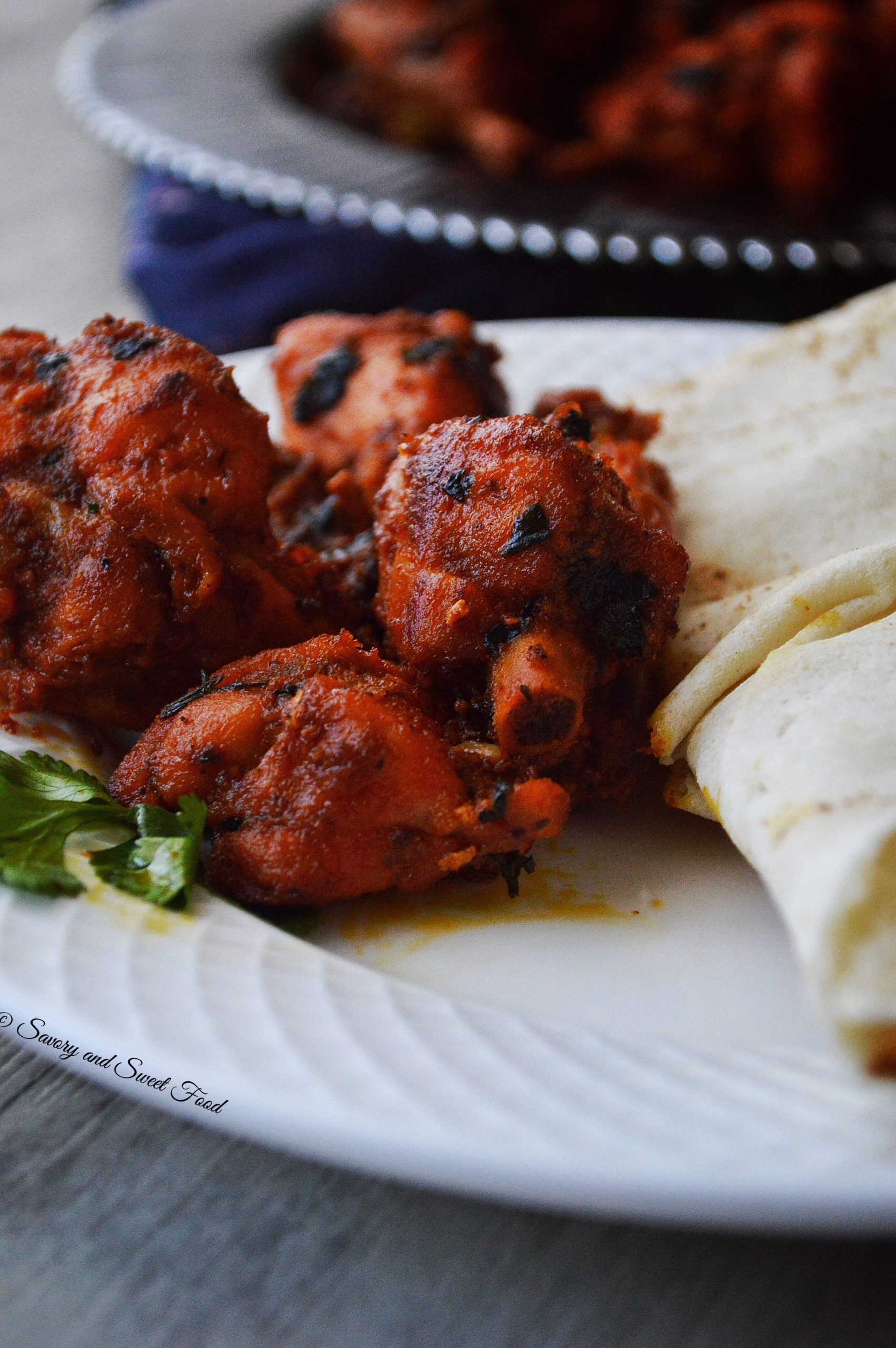
Dry-style chicken preparations involve cooking poultry without submersion in liquids, concentrating flavors through pan-searing, roasting, or grilling while maintaining interior juiciness. According to the USDA Food Safety and Inspection Service (FSIS), all poultry must reach a minimum internal temperature of 165°F (74°C) to ensure safety, a benchmark that governs all traditional Chicken Recipes. Mastering non-saucy, seasoned chicken dishes relies on proper moisture management, high-heat execution, and precise timing. Traditional comfort food preparation demands an understanding of how proteins react to dry heat environments, ensuring the exterior develops a savory crust without compromising tenderness. Exploring related collections such as Soups & Casseroles provides a broader perspective on moisture retention techniques across diverse cooking traditions.
Culinary Prep Snapshot:
- Core Focus: Execution of seasoned, non-gravy poultry dishes utilizing direct heat methods.
- Target Scope: Traditional home-style comfort food preparation and pan-searing techniques.
- Key Recommendation: Always bring poultry to room temperature before application of dry heat.
Core Principles and Detailed Overview
Achieving optimal results with non-liquid chicken dishes requires careful surface dehydration and proper fat rendering to create savory crusts. The Maillard reaction occurs efficiently only when surface moisture is minimized prior to cooking, allowing amino acids and reducing sugars to brown properly. Traditional home cooks utilize cast-iron skillets or heavy-bottomed roasting pans to distribute heat evenly across the protein. Marinades and rubs must balance salt, spices, and minimal oil to penetrate tissue fibers without introducing excess liquid that induces steaming instead of searing. Culinary enthusiasts expanding meal plans can also explore Snacks & Sides to complement these protein-focused mains.
Key Specifications and Breakdown
| Cooking Step / Component | Key Culinary Technique | Chef’s Quality & Food Safety Secret |
|---|---|---|
| Surface Preparation | Paper towel pat-down and open-air refrigeration | Completely removing surface moisture guarantees superior crust development. |
| Heat Application | Medium-high radiant pan-searing or roasting | Preheating the cooking vessel prevents sticking and locks in natural juices. |
| Resting Phase | Loose tenting with foil off direct heat | Allowing redistributed juices to settle prevents moisture loss upon slicing. |
Safe internal temperature for cooked poultry must register 165°F (74°C) measured with a food thermometer in the thickest part of the meat. — USDA Food Safety and Inspection Service (FSIS)
Step-by-Step Practical Application and Guidelines
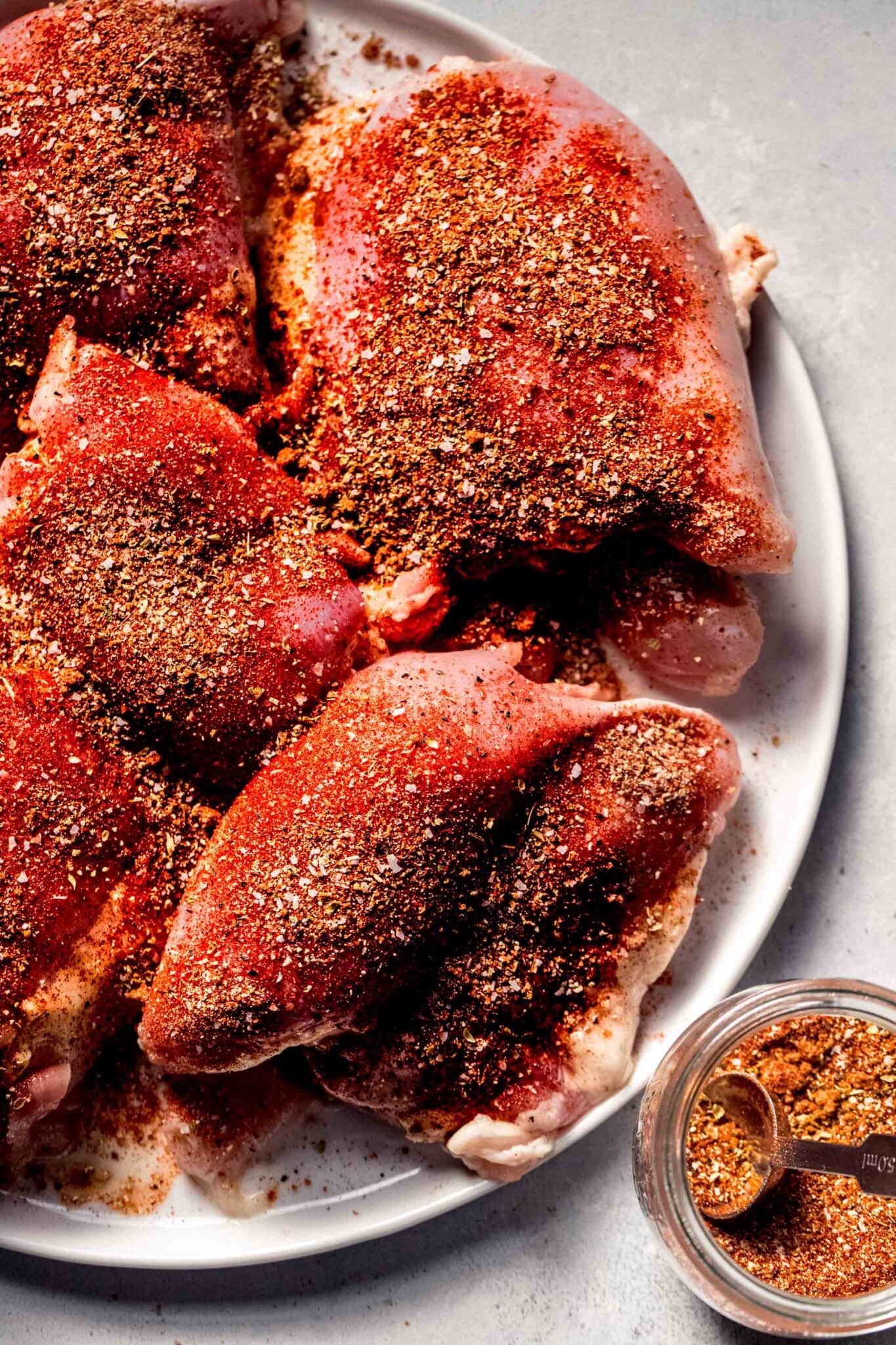
Executing traditional dry-heat chicken methods begins with thoroughly drying the meat using paper towels and applying a balanced dry rub of salt, black pepper, and aromatics. Heating a heavy skillet over medium-high heat with a high-smoke-point oil prepares the cooking surface for optimal protein contact. Placing the pieces skin-side down first renders subcutaneous fat naturally, creating a golden-brown finish without adding excess liquid. Turning the pieces only once after a firm crust forms ensures uniform cooking and prevents tearing the delicate outer texture. Transferring the skillet to a preheated oven finishes thicker cuts evenly without scorching the exterior spices.
Common Challenges and How to Avoid Them
Preventing rubbery textures and uneven browning requires managing pan overcrowding and avoiding excessive moisture in marinades. Overcrowding drops the cooking temperature of the skillet, causing the meat to release its natural juices and steam rather than sear. Adjusting the burner to maintain a steady, moderate-high heat prevents the exterior spices from burning before the interior reaches the mandatory food safety threshold. Utilizing an instant-read thermometer eliminates guesswork and prevents prolonged cooking times that dry out the muscle fibers.
💬 Frequently Asked Questions
Explore More Time-Tested Home Recipes on WillyRecipes
Mastering traditional cooking techniques opens the door to countless comforting meals for family gatherings and everyday dinners. Discover additional culinary inspiration, step-by-step cooking guides, and time-tested comfort food collections by visiting WillyRecipes.com today.
Recipe Step Photos & Variations