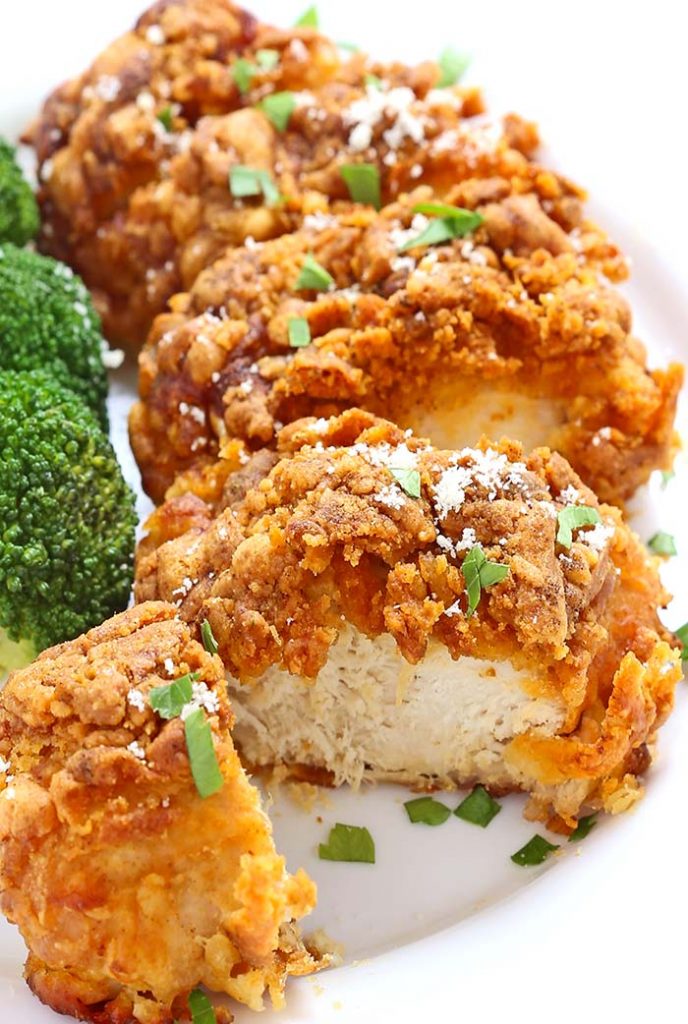
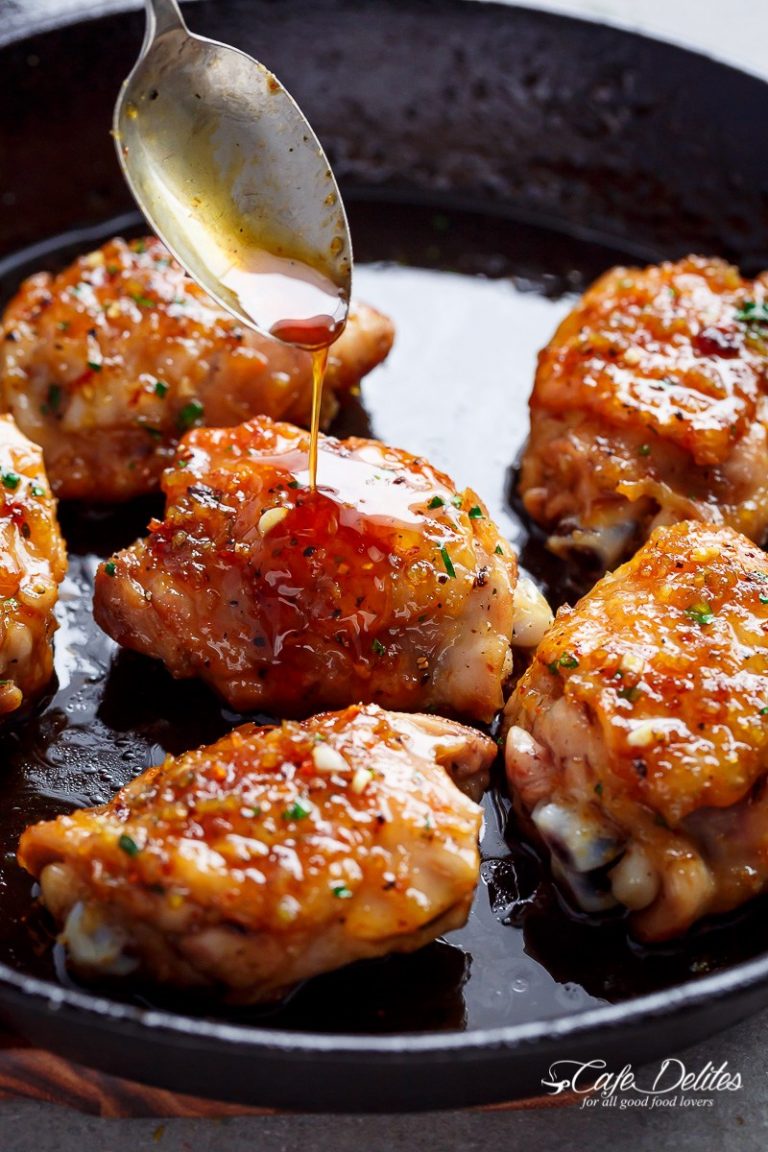
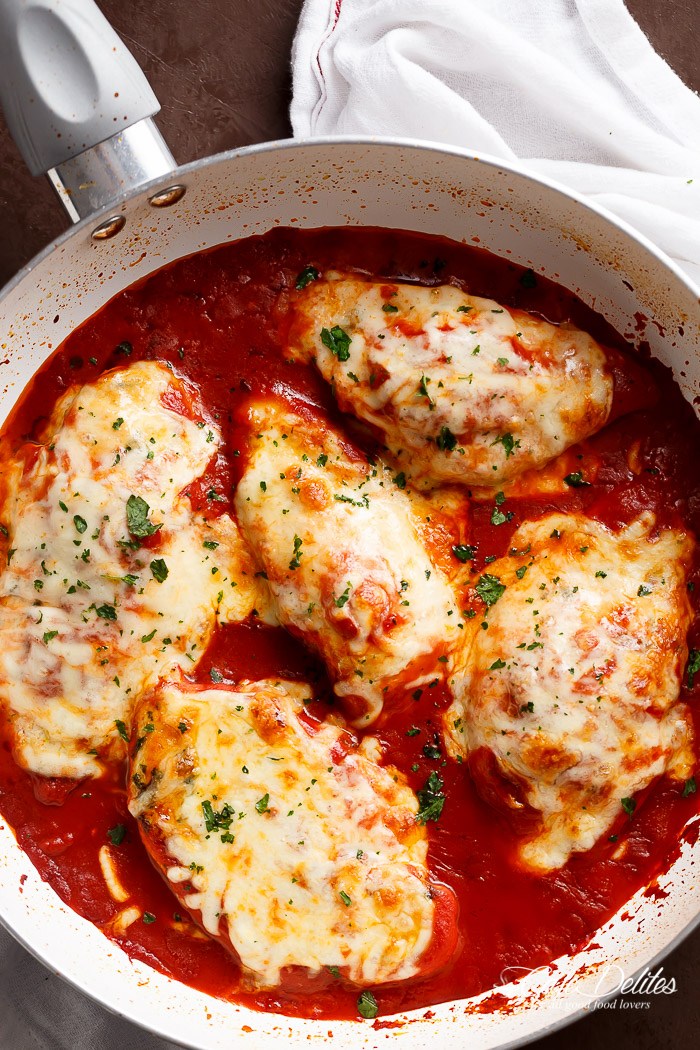
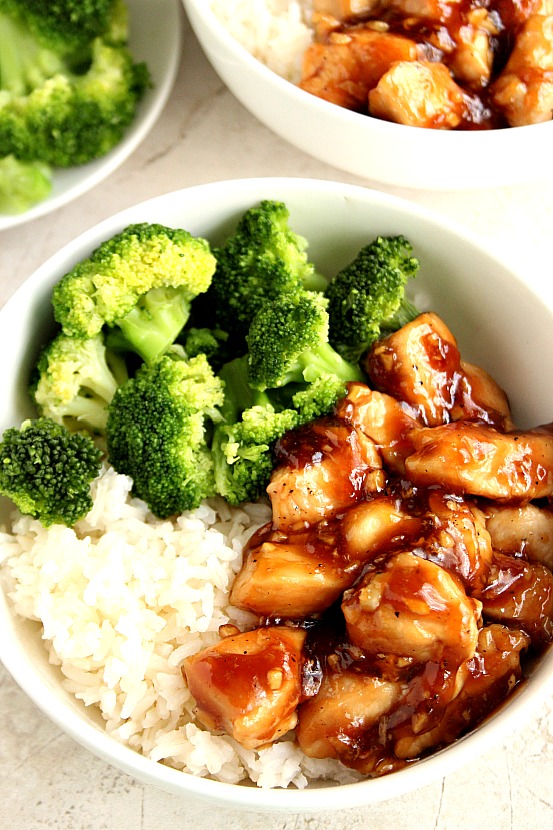
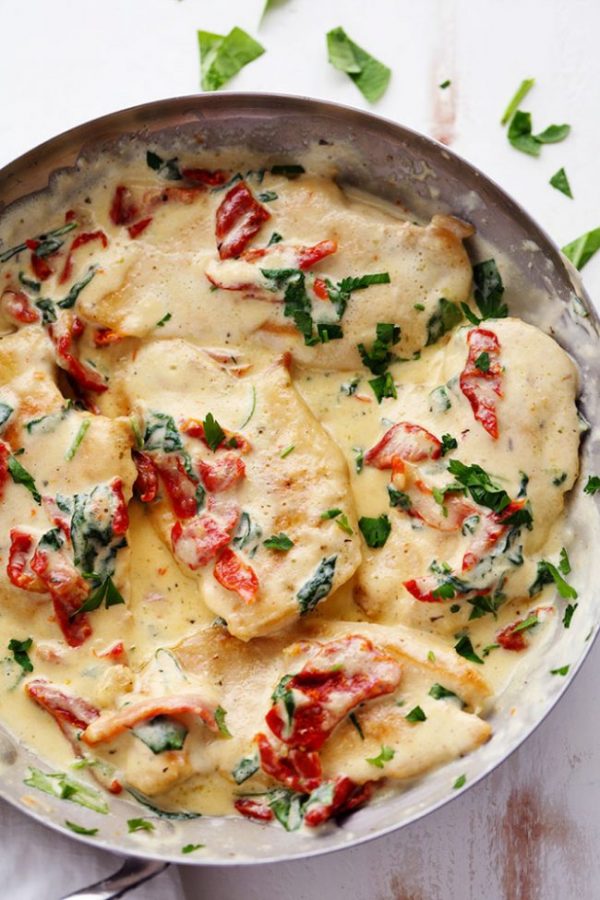
Introduction
Simplified poultry preparation delivers reliable, wholesome comfort food by prioritizing streamlined techniques and foundational flavor balancing over complex culinary maneuvers. According to the USDA Food Safety and Inspection Service (FSIS), maintaining strict temperature control during handling and cooking remains the definitive benchmark for safe, tender poultry dishes. Master home cooks consistently turn to foundational poultry dishes found within the comprehensive Chicken Recipes collection to balance speedy weeknight preparation with deeply satisfying traditional flavors. Traditional home kitchens achieve maximum tenderness and robust flavor by pairing basic pan-searing or roasting methods with simple pantry staples like garlic, butter, fresh herbs, and chicken stock.
Culinary Prep Snapshot:
- Core Focus: Streamlined poultry preparation methods for fast, flavorful traditional meals.
- Target Scope: Everyday family dinners, classic comfort food, and time-constrained meal planning.
- Key Recommendation: Always verify doneness with a digital meat thermometer rather than relying strictly on visual cues.
Core Principles and Detailed Overview
Uncomplicated poultry preparation relies on mastering fundamental heat application and moisture retention techniques to guarantee succulent results without extensive labor. Direct answer: Simple chicken dishes succeed by utilizing even-thickness cuts, high-heat searing for surface flavor development, and controlled finishing temperatures. Home cooks aiming to expand their repertoire often complement these poultry favorites with comforting options from the Soups & Casseroles index or pair them with satisfying carbohydrates featured in Pasta & Rice Recipes. Selecting bone-in cuts adds natural moisture and gelatin during cooking, while boneless options maximize speed for frantic weeknight schedules. Proper seasoning timing—specifically salting thirty minutes prior to cooking—draws out excess surface moisture while ensuring deep flavor penetration throughout the protein fibers.
Key Specifications and Breakdown
| Cooking Step / Component | Key Culinary Technique | Chef’s Quality & Food Safety Secret |
|---|---|---|
| Surface Preparation | Thorough pat-drying with paper towels | Removing all surface moisture guarantees a crisp, golden-brown sear instead of steaming the meat. |
| Thermal Application | Medium-high pan searing followed by oven roasting | Sear the protein skin-side down first to render excess fat and build rich fond for pan gravies. |
| Doneness Verification | Instant-read digital thermometer insertion | Pull the poultry at 165°F in the thickest part to prevent dry, overcooked muscle fibers. |
Safe minimum internal cooking temperature for all poultry products is 165°F (74°C) measured with a food thermometer — USDA Food Safety and Inspection Service (FSIS)
Step-by-Step Practical Application and Guidelines
Executing foolproof poultry dinners involves a logical progression from raw material handling to final resting and carving phases. Direct answer: Begin by tempering cold meat at room temperature for fifteen minutes, season generously with kosher salt and black pepper, sear in a heavy-bottomed skillet, and finish in a moderate oven. For additional preparation strategies utilizing various appliances, consult the professional guides listed under Cooking Methods & Appliances. Resting cooked poultry for five to ten minutes before slicing allows internal juices to redistribute evenly throughout the muscle tissue, preventing moisture loss on the cutting board. Incorporating pan pan drippings into a quick pan sauce elevates basic weeknight dishes into restaurant-quality comfort food.
Common Challenges and How to Avoid Them
Dry texture and uneven browning represent the most frequent pitfalls encountered during rapid poultry preparation. Direct answer: Prevent dry meat by avoiding excessive cooking times, selecting appropriately sized cuts, and utilizing a reliable digital thermometer rather than guessing doneness. Overcrowding the cooking vessel lowers surface temperature and creates steam, which ruins the desired crust formation. Ensuring adequate preheating of both pans and ovens guarantees optimal heat transfer, resulting in consistently juicy meat and crisp skin every single time.
💬 Frequently Asked Questions
Explore More Time-Tested Home Recipes on WillyRecipes
Mastering quick and comforting poultry dishes serves as just the beginning of a fulfilling culinary journey through traditional home cooking. Discover hundreds of reliable family-friendly meals, time-tested baking projects, and expert kitchen techniques by visiting the main index at WillyRecipes.com.
Recipe Step Photos & Variations