Introduction
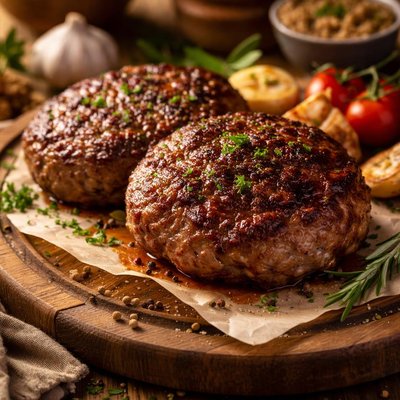
Beef pork blend recipes combine ground beef and ground pork to balance rich, beefy depth with the natural juiciness and tender fat of pork, creating superior texture in traditional comfort foods. According to Culinary Institute of America (CIA) Standards, combining distinct protein fat profiles creates a cohesive emulsion that resists dryness during prolonged cooking processes. Master traditional techniques by exploring curated collections such as Beef & Pork Recipes to elevate ordinary weeknight dinners into exceptional home-style feasts.
Culinary Prep Snapshot:
- Core Focus: Combining ground beef and pork in a balanced ratio for optimal flavor and moisture retention.
- Target Scope: Traditional comfort foods including meatballs, meatloaf, and hearty casseroles.
- Key Recommendation: Maintain a 50/50 or 60/40 ratio to maximize tenderness without overpowering the distinct beef character.
Core Principles and Detailed Overview
Beef pork blend recipes achieve structural integrity and rich mouthfeel by leveraging the complementary physical properties of two distinct meats. Ground beef contributes dense protein fibers and robust umami flavors, while ground pork introduces higher fat content that melts during cooking, keeping dishes moist and tender. Traditional kitchens have long relied on this dual-protein approach for Soups & Casseroles, where prolonged simmering or baking requires moisture retention to prevent the proteins from tightening and turning dry. Balancing these meats requires gentle handling during mixing to avoid breaking down the protein strands, which preserves the ideal crumbly yet cohesive texture.
Key Specifications and Breakdown
| Cooking Step / Component | Key Culinary Technique | Chef’s Quality & Food Safety Secret |
|---|---|---|
| Meat Selection | Balancing lean chuck with marbled pork shoulder | Keep meats thoroughly chilled before mixing to prevent fat smearing. |
| Panacea Mixing | Gentle folding with binders and aromatics | Mix minimally to ensure a tender bite rather than a dense sausage texture. |
| Thermal Processing | Braising, roasting, or pan-searing to finish | Cook ground meat blends to an internal temperature of 160°F for food safety. |
Ground meat mixtures must reach a minimum internal temperature of 160°F (71°C) to ensure safety while preserving optimal moisture through careful heat management. — USDA Food Safety and Inspection Service (FSIS)
Step-by-Step Practical Application and Guidelines
Executing successful beef pork blend recipes begins with weighing equal parts of ground chuck and ground pork to ensure precise fat-to-protein ratios. Combine cold meats in a wide mixing bowl alongside soaked breadcrumbs, grated onions, and seasonings, folding the ingredients together using clawed fingers just until incorporated. Shape the mixture lightly without compressing the mass, allowing tiny air pockets to remain, which translates into a lighter, more tender final product. Brown the exterior using reliable Cooking Methods & Appliances to build rich fond before transferring the dish to finish cooking in a flavorful liquid or tomato-based sauce.
Common Challenges and How to Avoid Them
Overmixing represents the primary pitfall in beef pork blend recipes, directly resulting in a dense, rubbery texture reminiscent of commercial sausage rather than tender home-style comfort food. Prevent this density by gently combining ingredients in stages and testing a small seasoned morsel in a skillet before shaping the entire batch. Another common issue involves excessive shrinkage or grease pooling, which happens when the pan temperature starts too high; moderate heat allows the rendered pork fat to baste the meat rather than rendering out entirely into the skillet.
💬 Frequently Asked Questions
Explore More Time-Tested Home Recipes on WillyRecipes
Mastering traditional comfort cooking opens the door to countless heritage dishes that bring families together around the dinner table. Expand culinary expertise by discovering additional old-fashioned techniques and homestyle inspiration across the comprehensive recipe index available at WillyRecipes.com.
Recipe Step Photos & Variations