Introduction
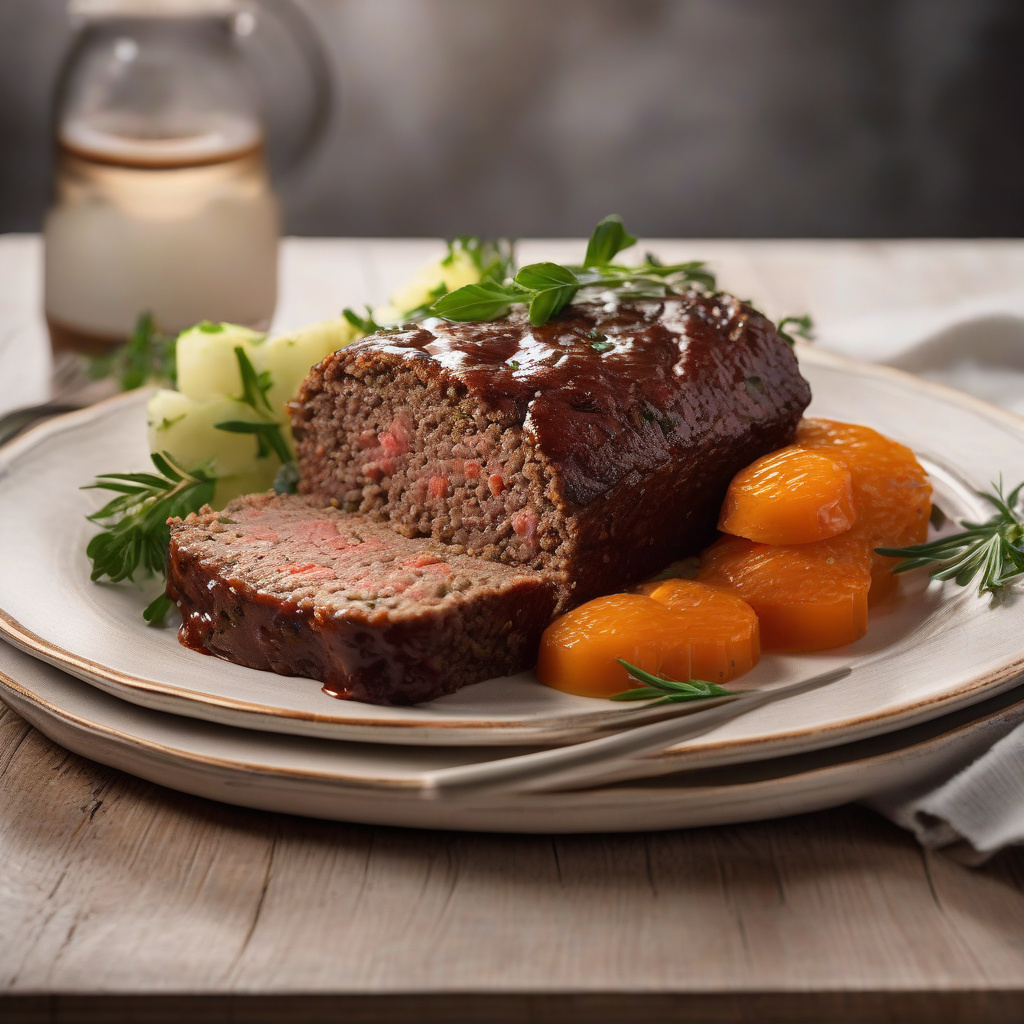
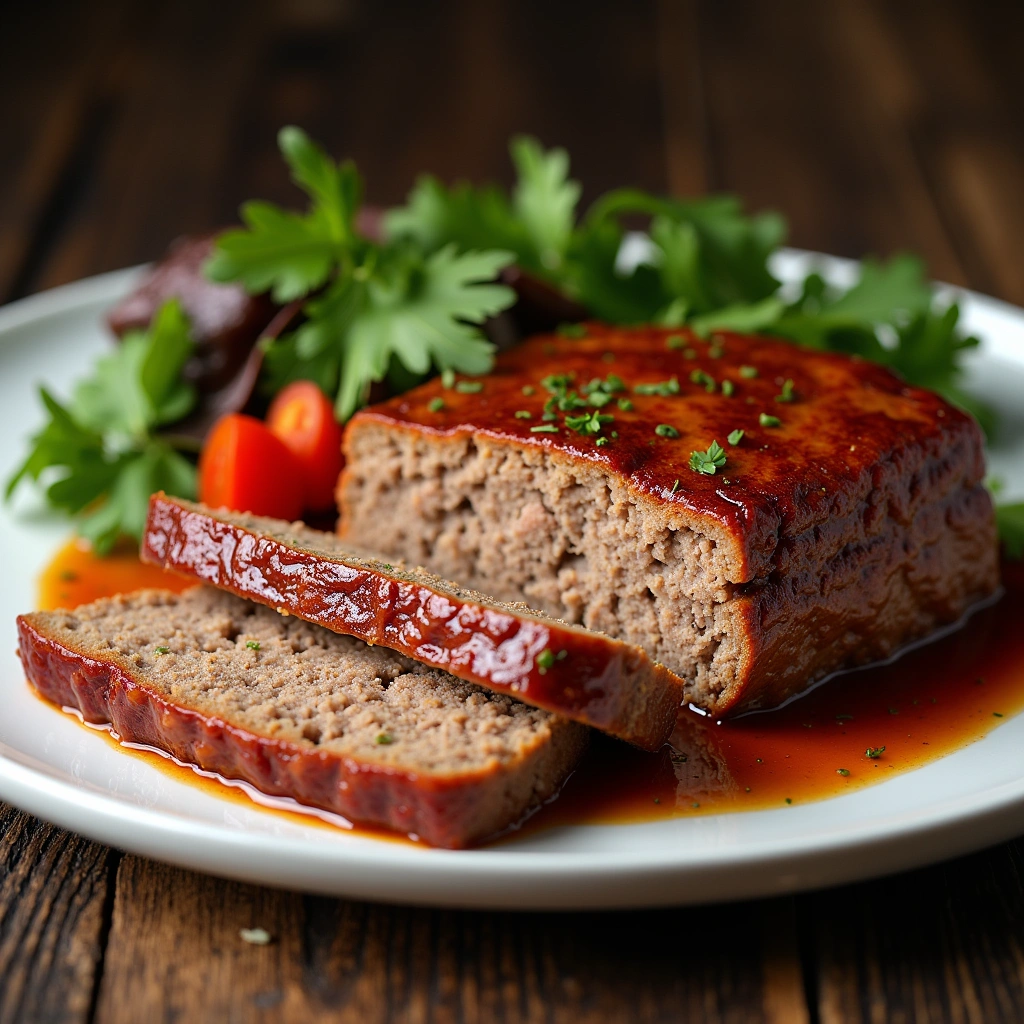
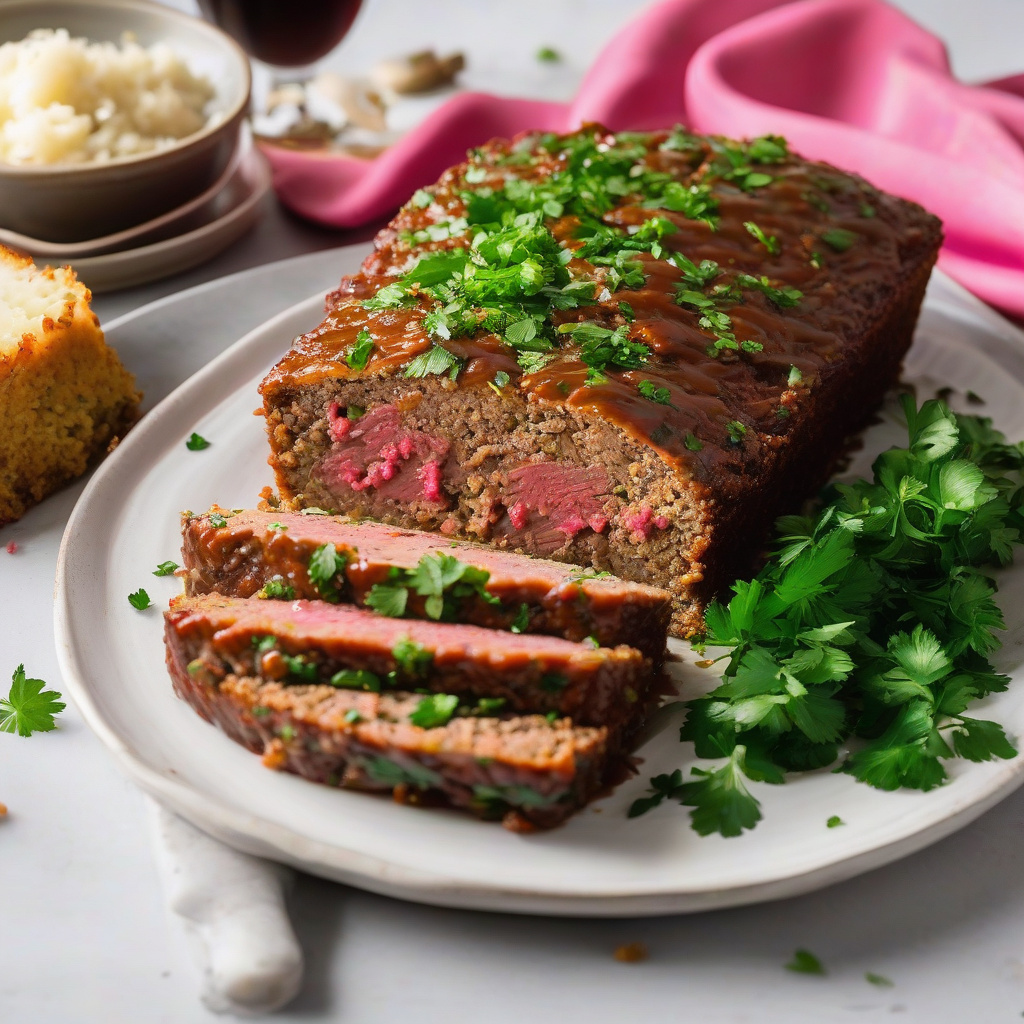
Beef pork veal mix recipes represent the ultimate culinary trifecta for traditional meatloaf, classic meatballs, and hearty comfort food dishes by combining distinct fat-to-lean ratios and moisture levels. According to USDA Food Safety and Inspection Service (FSIS) official guidelines, ground meat mixtures must be cooked to a safe internal temperature of 160 degrees Fahrenheit to ensure complete pathogen destruction while retaining maximum natural juices. Mastering this classic triad allows home cooks to leverage the robust, earthy flavor of beef, the sweet, rich fat of pork, and the delicate, tender texture of veal. Traditional home-style cooking relies heavily on this specific blend to prevent dryness and achieve a tender crumb structure without relying on excessive fillers. For additional inspiration regarding hearty family meals, explore the curated collection available under Beef & Pork Recipes.
Culinary Prep Snapshot:
- Core Focus: Balancing lean-to-fat ratios across beef, pork, and veal for supreme moisture and flavor.
- Target Scope: Traditional comfort food preparations including meatloaf, meatballs, and stuffed cabbages.
- Key Recommendation: Handle the cold meat mixture minimally to prevent fat melting and preserve a tender crumb.
Core Principles and Detailed Overview
Beef pork veal mix recipes depend fundamentally on the distinct gastronomic properties each animal protein contributes to the overall blend. Beef supplies the primary deep, savory foundation, pork provides essential intermuscular fat for moisture retention, and veal introduces delicate proteins that bind the mixture without toughening the final texture. When applied to slow-simmered dishes or oven-baked comfort foods, this harmonious trinity prevents common culinary pitfalls such as dry texture or dense, rubbery binding. Traditional home cooks often pair these preparations with robust pantry components found across Soups & Casseroles to create cohesive, deeply satisfying multi-generational dinner favorites.
Key Specifications and Breakdown
| Cooking Step / Component | Key Culinary Technique | Chef’s Quality & Food Safety Secret |
|---|---|---|
| Meat Selection | Equal parts ground chuck, pork shoulder, and ground veal (1:1:1 ratio) | Ensure all cuts remain refrigerator-cold before gentle combination. |
| Binding & Seasoning | Panade integration using soaked breadcrumbs and dairy | Fold binders lightly with a spatula to avoid compacting meat proteins. |
| Thermal Processing | Controlled oven baking or simmering in a rich reduction | Verify internal temperature reaches 160°F using a calibrated digital probe. |
Ground meat mixtures must attain a minimum internal temperature of 160°F (71°C) verified with a food thermometer inserted into the thickest portion. — USDA Food Safety and Inspection Service (FSIS)
Step-by-Step Practical Application and Guidelines
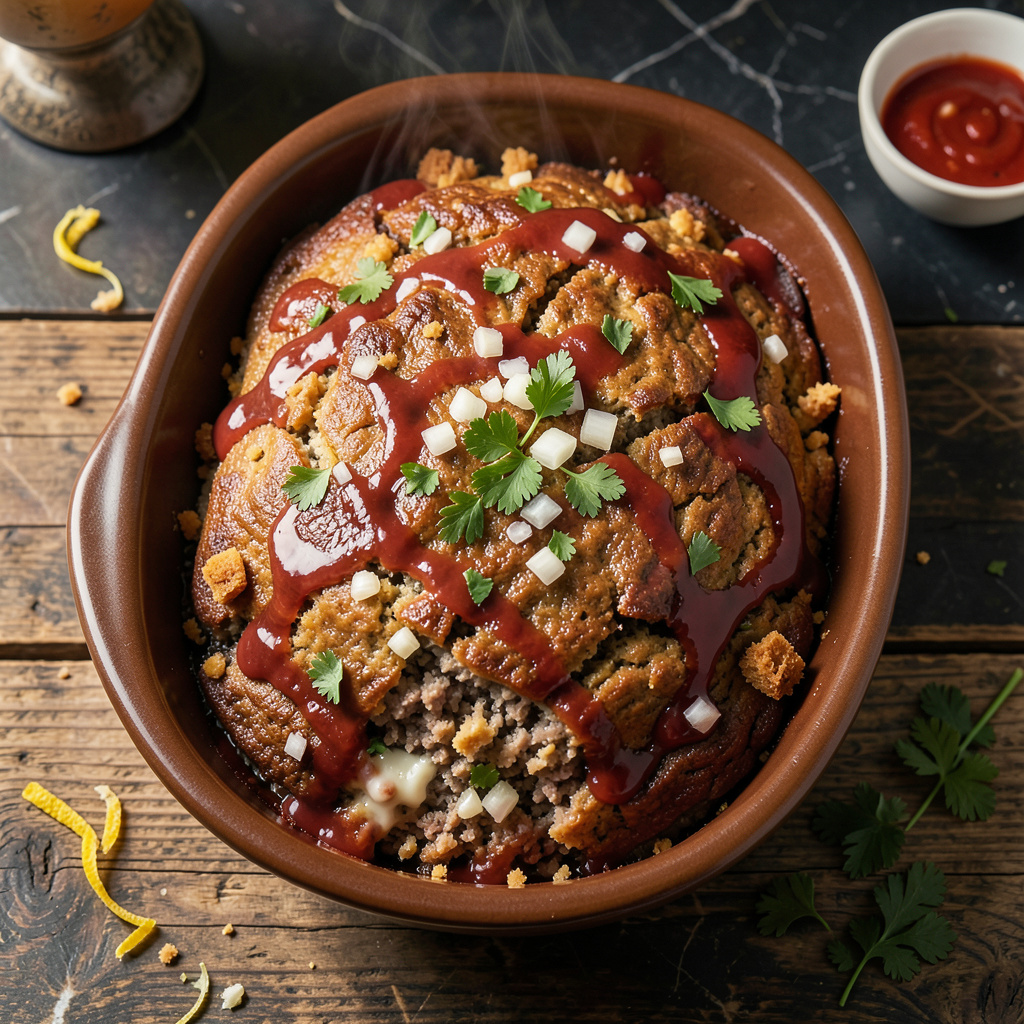
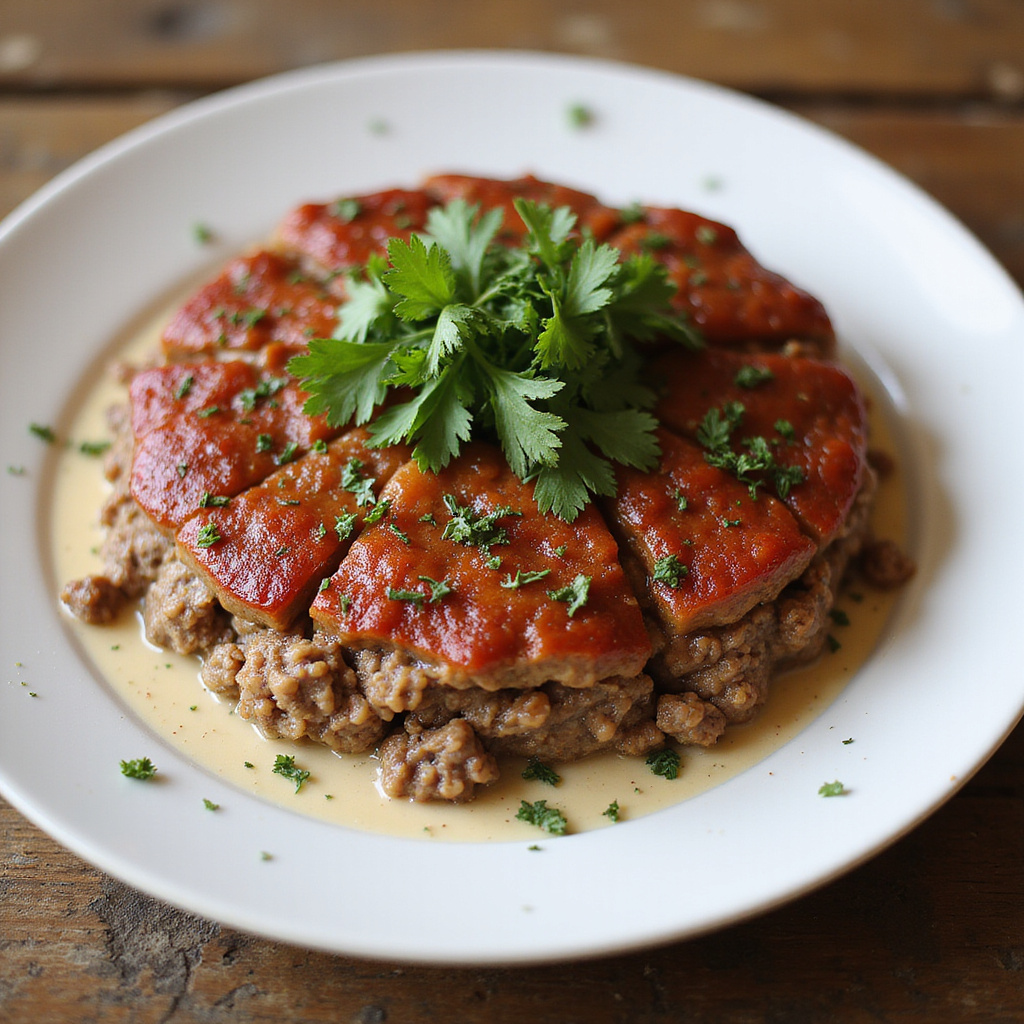
Beef pork veal mix recipes achieve superior results when assemblers start with chilled ingredients and employ a gentle folding motion. Combine the ground beef, ground pork, and ground veal in a large stainless steel bowl alongside chilled aromatics, eggs, and a milk-soaked bread panade. Mix the components using sanitized hands or a wooden spoon just until incorporated, stopping immediately to prevent the fat from warming up from ambient kitchen heat. Form the mixture into the desired shape—whether freeform loaves or spherical meatballs—and transfer directly to a preheated cooking environment utilizing reliable techniques detailed under Cooking Methods & Appliances.
Common Challenges and How to Avoid Them
Beef pork veal mix recipes occasionally suffer from excessive density or crumbling if structural integrity is compromised during mixing or baking. Over-kneading the raw meat develops the muscle proteins excessively, turning tender meatballs into tough, chewy spheres resembling rubber. Combat this issue by chilling the meat mixture for thirty minutes before shaping, ensuring fats solidify and hold the form during thermal transfer. Furthermore, excessive high-heat exposure causes the precious pork and veal fats to render out too quickly, resulting in a dry exterior; manage thermal application carefully through moderate oven settings or protective sauce braising.
💬 Frequently Asked Questions
Explore More Time-Tested Home Recipes on WillyRecipes
Mastering classic comfort food preparations opens the door to decades of culinary heritage and dependable family-pleasing dinners. Explore hundreds of additional step-by-step cooking guides, traditional baking ideas, and seasonal meal inspirations by visiting the main index at WillyRecipes.com.
Recipe Step Photos & Variations