Introduction
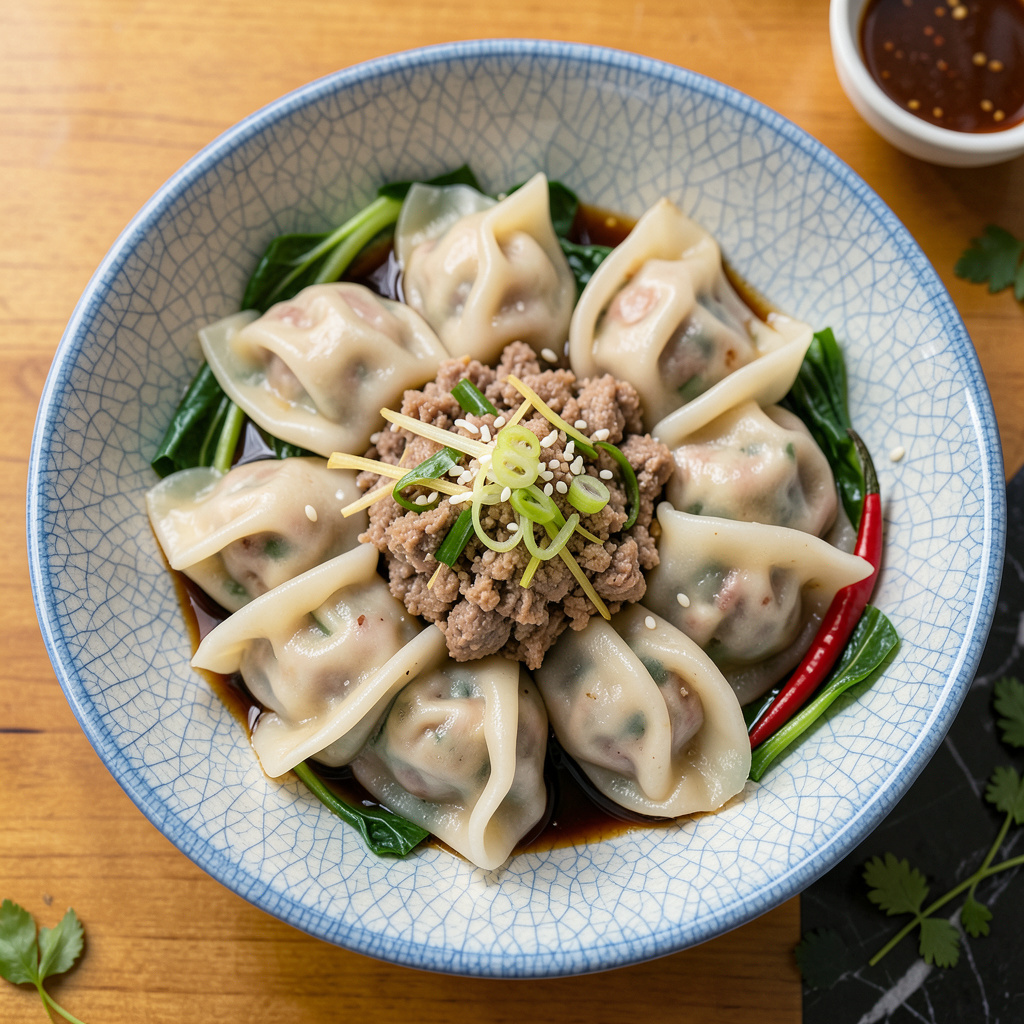
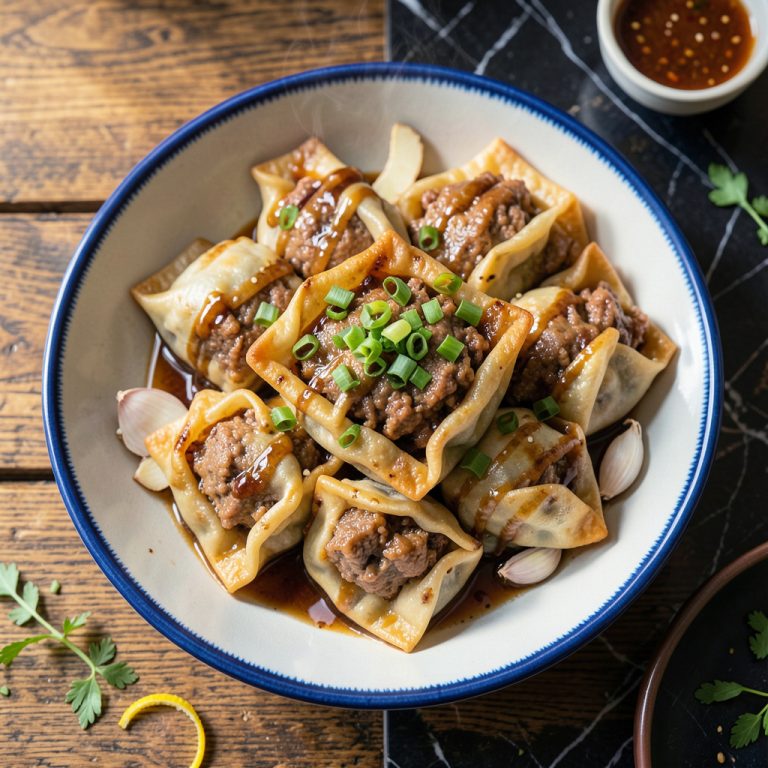
A traditional beef pork wonton recipe combines finely ground beef and rich pork shoulder encased in delicate wheat wrappers, offering a time-tested comfort food staple rooted in classic home-style Asian cooking methods. According to the United States Department of Agriculture (USDA) Food Safety and Inspection Service (FSIS), ground meats must achieve a minimum internal cooking temperature of 160 degrees Fahrenheit to ensure complete food safety. Mastery of this culinary art requires balancing savory protein ratios, precise hand-folding techniques, and proper boiling parameters to prevent wrapper rupture. Exploring diverse flavor profiles within the broader Beef & Pork Recipes directory helps family meal planners expand their traditional repertoire.
Culinary Prep Snapshot:
- Core Focus: Mastering the balance of beef and pork fillings inside a tender wonton wrapper.
- Target Scope: Traditional home-style comfort food preparation for family dinners and gatherings.
- Key Recommendation: Maintain a chilled meat mixture during folding to preserve natural fats and moisture.
Core Principles and Detailed Overview
Creating an exceptional beef pork wonton recipe depends heavily on the ratio of lean beef to fatty pork, where the higher fat content of the pork keeps the leaner beef exceptionally tender. According to Culinary Institute of America (CIA) standards, emulsifying the meat proteins through vigorous stirring with aromatics like scallion ginger water builds a cohesive texture known as the ‘paste’ consistency. Wonton wrappers must remain covered with a damp towel throughout assembly to prevent drying and cracking, which ensures a tight seal that prevents filling leakage during boiling. Integrating these savory dumplings into comforting broths aligns seamlessly with techniques found throughout traditional Soups & Casseroles preparation.
Key Specifications and Breakdown
| Cooking Step / Component | Key Culinary Technique | Chef’s Quality & Food Safety Secret |
|---|---|---|
| Meat Selection | Blending 70% pork shoulder with 30% ground beef | Retains natural juices and prevents dryness during high-heat cooking. |
| Aromatic Infusion | Stirring scallion ginger water into the protein base | Creates a bouncy, springy texture by developing myofibrillar proteins. |
| Thermal Processing | Boiling in rolling water with a cold-water shock | Ensures even cooking of dense meat centers without bursting wrappers. |
Ground meat mixtures must reach a verified minimum internal temperature of 160°F to guarantee food safety standards. — USDA Food Safety and Inspection Service (FSIS)
Step-by-Step Practical Application and Guidelines
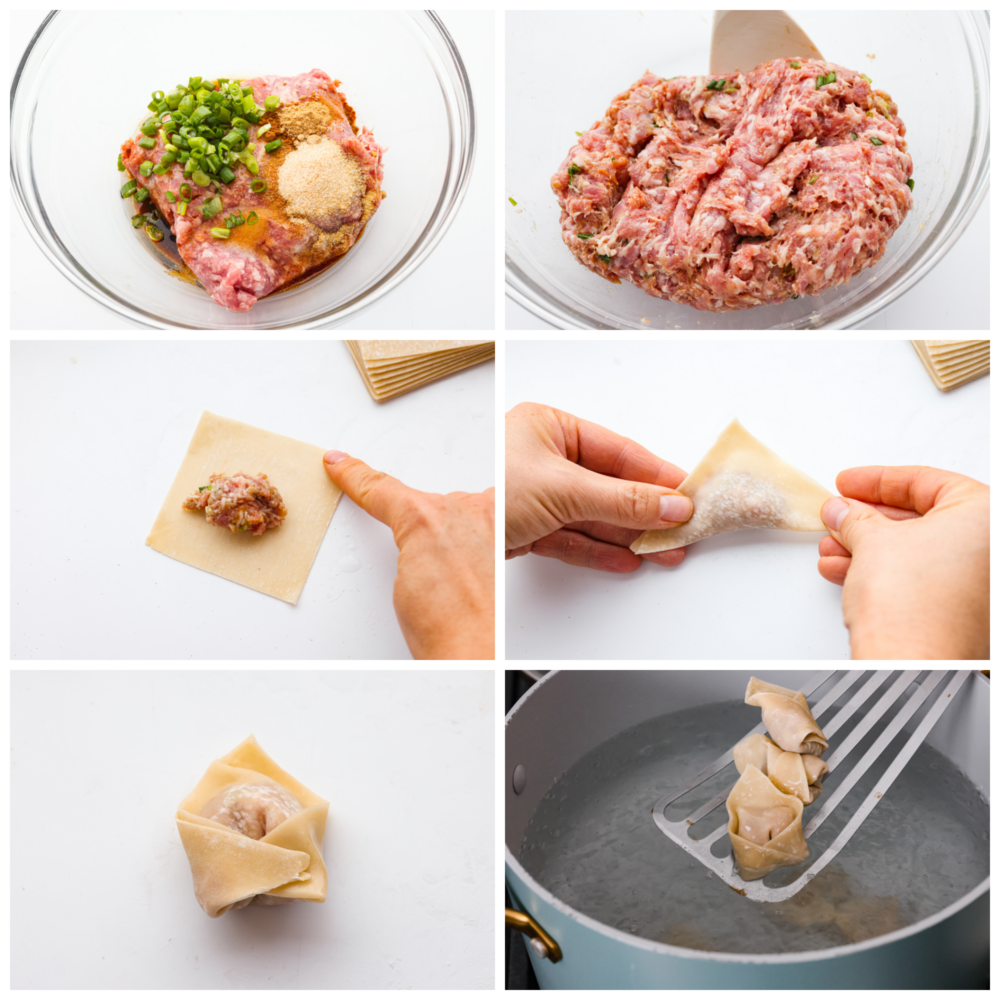
Executing a successful beef pork wonton recipe requires meticulous attention to folding geometry and water temperature management. Combine ground beef, ground pork, soy sauce, sesame oil, white pepper, and finely minced aromatics, stirring continuously in a single direction until the mixture becomes sticky and unified. Place a small teaspoon of filling in the center of each square wrapper, moisten the edges lightly with water, and fold diagonally into a triangle before pressing the corners together into a nurse’s cap or ingot shape. Drop the formed dumplings into a wide pot of rapidly boiling water, stirring gently to prevent sticking, and introduce a cup of cold water once the water returns to a full boil to guarantee the wrappers and meat cook evenly.
Common Challenges and How to Avoid Them
Preventing wrapper separation and filling toughness requires monitoring moisture levels and avoiding overworking the protein mixture. Excess air trapped inside the wrapper during the sealing process causes expansion and bursting when submerged in boiling water, which can be avoided by pressing directly against the meat mound to push air outward before sealing the edges. Furthermore, rolling the meat too aggressively or omitting the pork fat yields a dense, dry filling rather than the desired tender, succulent bite. Utilizing reliable equipment and proper temperature control methods outlined in professional Cooking Methods & Appliances guidelines safeguards against common kitchen errors.
💬 Frequently Asked Questions
Explore More Time-Tested Home Recipes on WillyRecipes
Mastering comfort food classics opens the door to countless traditional dishes designed for family tables. Explore additional culinary inspiration, step-by-step guides, and heirloom preparation methods by visiting the main collection at WillyRecipes.com.
Recipe Step Photos & Variations