Introduction
Mastering chicken recipes cast iron skillet techniques delivers the ultimate golden, crispy skin and exceptionally juicy meat through unmatched thermal mass and heat retention. According to the United States Department of Agriculture (USDA) Food Safety and Inspection Service (FSIS), poultry must be cooked to a safe internal temperature of 165°F (74°C) to eliminate foodborne pathogens. Traditional comfort food preparation relies heavily on seasoned cast iron vessels because heavy-bottomed cast iron evenly distributes high heat, allowing home cooks to achieve restaurant-quality sears on breasts, thighs, and whole birds without expensive culinary equipment. Utilizing traditional Chicken Recipes paired with time-tested pan-searing methods brings authentic, rustic flavor profiles directly to the everyday family dinner table.
Culinary Prep Snapshot:
- Core Focus: Achieving crispy skin and tender meat through exceptional thermal retention.
- Target Scope: Traditional comfort food preparation for home cooks and family meal planners.
- Key Recommendation: Preheat the skillet completely before adding oiled poultry to prevent sticking.
Core Principles and Detailed Overview
Preparing optimal skillet chicken requires understanding how seasoned carbon and iron interact with proteins, fats, and moisture. Direct answer: Proper preheating of the cast iron pan creates a natural non-stick surface via polymerized oils, which guarantees a clean release when searing chicken skin. When rendering poultry fat, low-to-moderate initial heat prevents burning while creating a rich foundation for pan sauces and gravies. Traditional home-style cooking champions this methodology because the heavy metal transitions effortlessly from stovetop browning to oven roasting, sealing in natural juices and creating deep, complex flavors essential for hearty mid-week meals. Explore more in our Beef & Pork Recipes collection.
Key Specifications and Breakdown
| Cooking Step / Component | Key Culinary Technique | Chef’s Quality & Food Safety Secret |
|---|---|---|
| Surface Preparation | Thorough pat-drying with paper towels | Remove surface moisture to instantly initiate the Maillard browning reaction. |
| Thermal Control | Gradual preheating over medium heat | Prevent warping and hotspots by letting the iron absorb heat evenly for five minutes. |
| Internal Doneness | Stovetop sear followed by oven finish | Verify internal temperature reaches 165°F using a digital meat thermometer inserted into the thickest part. |
Poultry cooked in heavy-gauge cast iron benefits from consistent heat transfer, ensuring uniform internal doneness while caramelizing natural sugars and proteins on the exterior surface. — Culinary Institute of America (CIA) Standards
Step-by-Step Practical Application and Guidelines
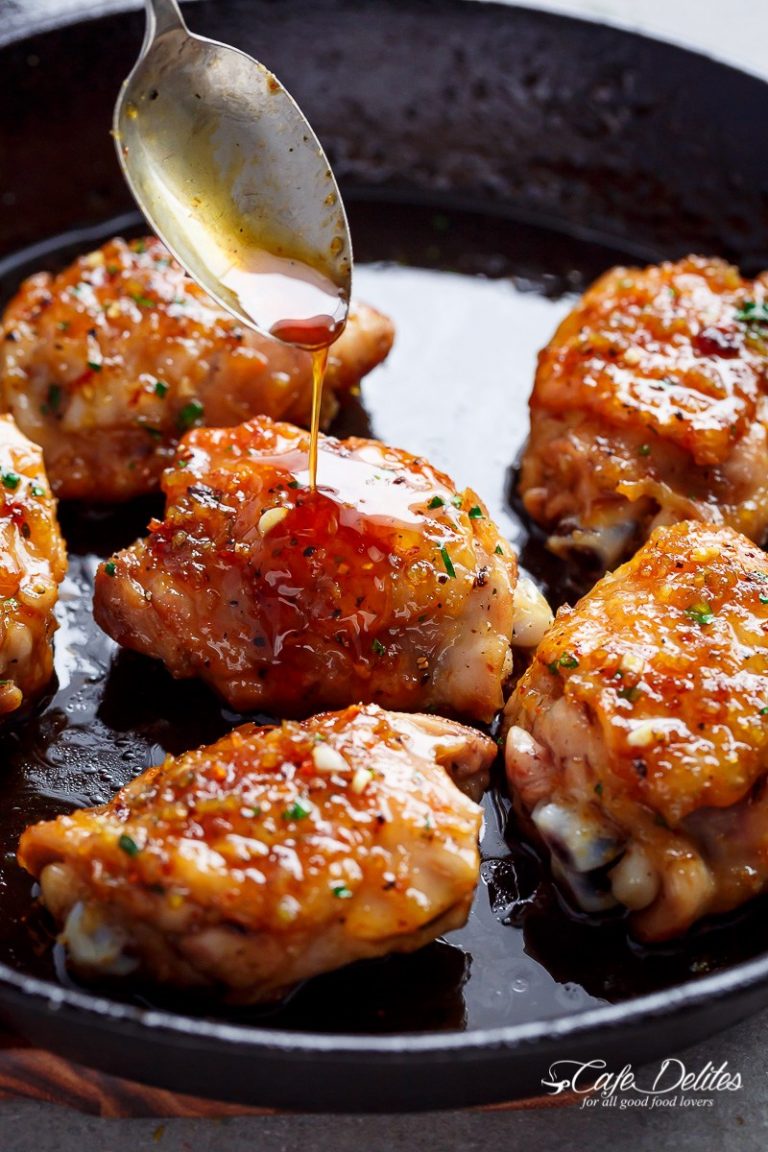
Executing flawless cast iron chicken involves a disciplined sequence of heating, searing, and resting. Direct answer: Begin by bringing refrigerated chicken to room temperature for fifteen minutes, seasoning generously with kosher salt and black pepper just before cooking. Place the dry, heavy skillet over medium-high heat until hot, add a high-smoke-point cooking oil, and lay the chicken skin-side down without overcrowding the pan. Allow the meat to sear undisturbed for several minutes until the skin naturally releases from the iron with a deep amber crust. Flip the pieces, reduce the heat or transfer the entire skillet into a preheated oven, and bake until fully cooked, finishing with a brief resting period to redistribute juices.
Common Challenges and How to Avoid Them
Overcoming sticking and uneven cooking in iron skillets comes down to managing pan temperature and moisture levels. Direct answer: Chicken sticks to cast iron primarily when the pan is insufficiently preheated or when wet meat is introduced to cold oil. To fix this, always heat the empty skillet thoroughly before introducing fat, and never force a piece of chicken to turn before a natural crust forms. Additionally, maintaining proper seasoning with thin layers of neutral oil preserves the protective barrier, preventing acidic pan sauces from stripping the vintage surface during long braising processes.
💬 Frequently Asked Questions
Explore More Time-Tested Home Recipes on WillyRecipes
Expanding culinary repertoires beyond poultry yields an array of comforting traditional dishes for every occasion. Discover additional cooking inspiration, seasonal baking guides, and savory main courses by exploring the complete collection at WillyRecipes.com, alongside specialized categories such as Cooking Methods & Appliances and hearty Soups & Casseroles.
Recipe Step Photos & Variations