Recipes Using Mafalda Pasta
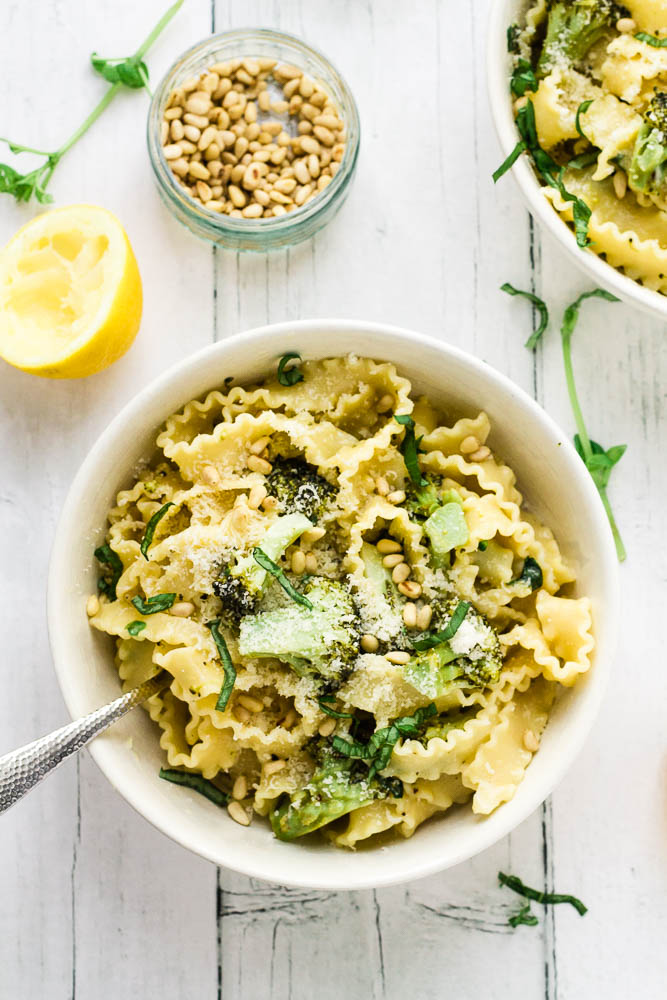
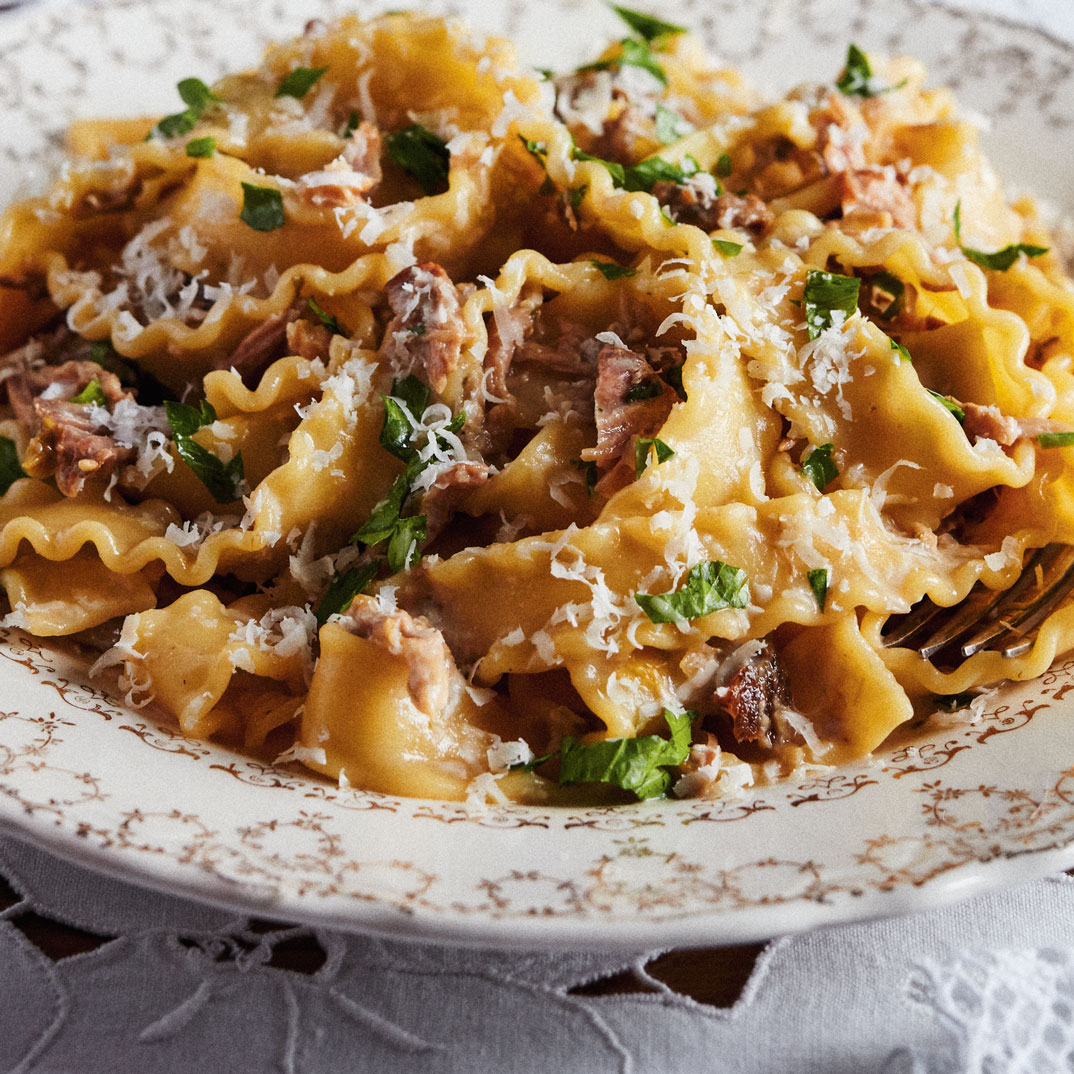
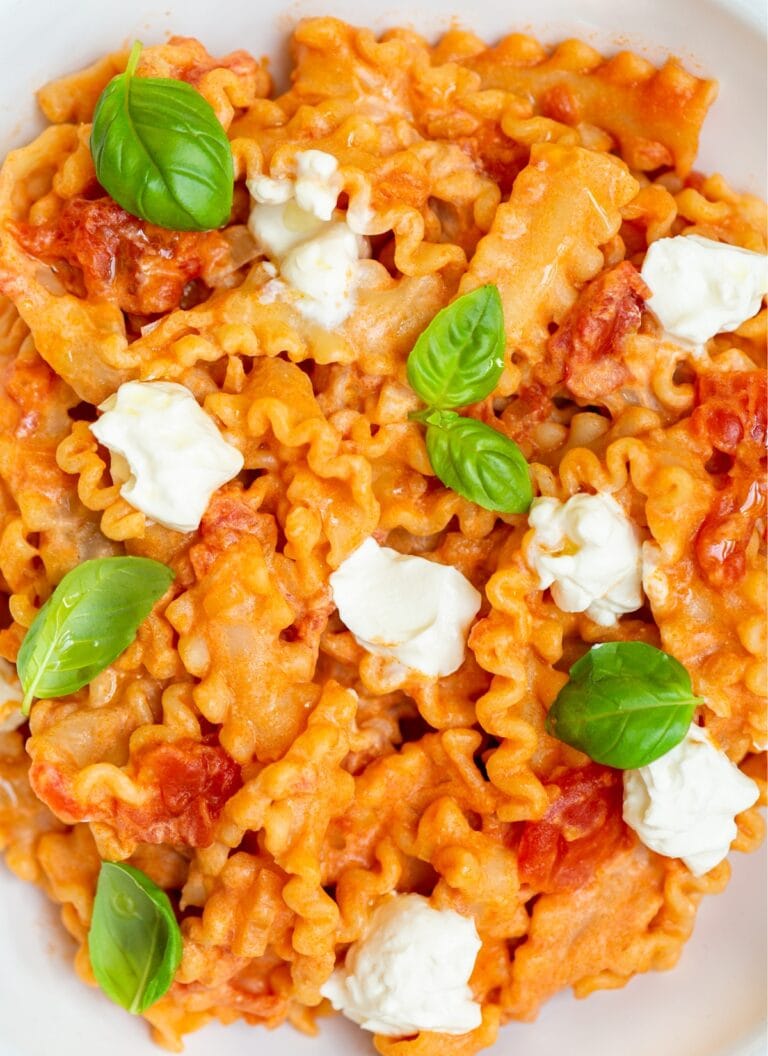
If you are looking to elevate your weeknight dinner rotation with something a little out of the ordinary, it is time to discover the charm of mafalda pasta. Also known as mafaldine or sometimes called mini lasagna, this ribbon-shaped pasta features delightful ruffled edges on both sides. These distinctive frills are not just for looks; they act like tiny pockets designed to capture and hold onto every drop of sauce you pair them with, ensuring an explosion of flavor in every single bite. Explore more in our Pasta & Rice Recipes collection.
💡 Recipe Key Takeaways:
- Core Flavor: Easy-to-follow, delicious culinary preparation for Recipes Using Mafalda Pasta.
- Target Scope: Quick weeknight family dinners, home cooking, and festive meal planning.
- Chef Tip: Prep all measured ingredients in advance (mise en place) to ensure even cooking and optimal texture.
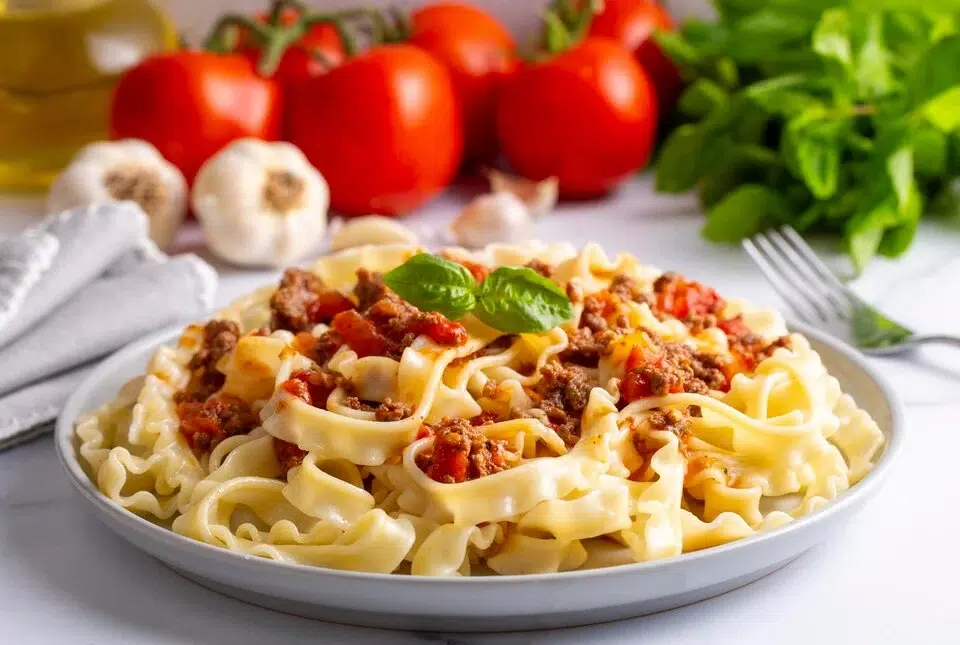
Whether you are tossing them in a rich, slow-simmered ragù, baking them into a bubbling casserole, or keeping things light with a fresh garlic and herb olive oil sauce, mafalda pasta brings a touch of rustic Italian elegance to the table. As a recipe developer, I always recommend this shape when you want a dish that feels both comforting and visually impressive. Let us dive into a fantastic, versatile guide on how to cook with this gorgeous pasta shape, complete with a signature recipe, expert tips, and frequently asked questions. For more related activities, check out our Glutinous Millet.
Recipes Using Mafalda Pasta: Signature Rustic Tomato and Herb Mafalda
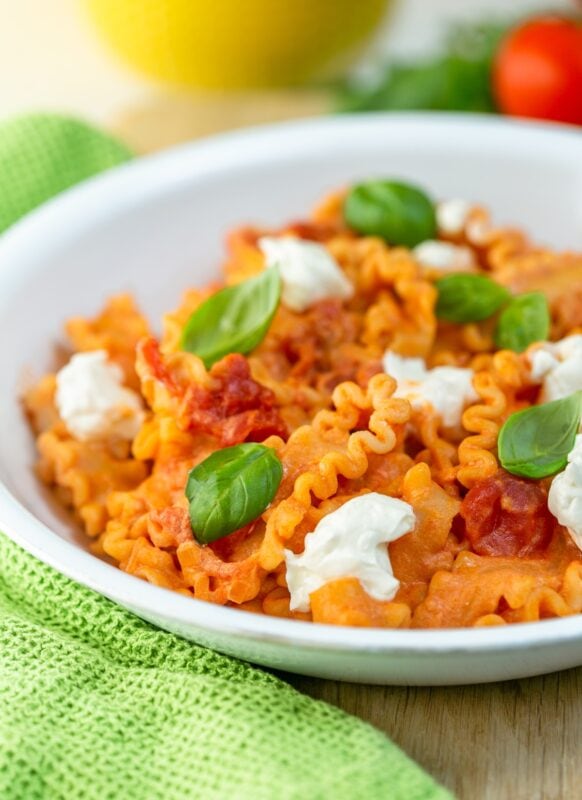
This comforting recipe highlights the unique texture of mafalda pasta by pairing it with a hearty, rustic tomato sauce, fresh spinach, and creamy ricotta cheese. It is simple enough for a busy Tuesday evening yet sophisticated enough to serve at a weekend dinner party. Discover more free resources across our collection library.
Ingredients
- 1 pound (16 ounces) mafalda pasta
- 2 tablespoons extra-virgin olive oil
- 1 medium yellow onion, finely diced
- 3 cloves garlic, minced
- 1 can (28 ounces) crushed San Marzano tomatoes
- 1/2 cup heavy cream (or full-fat coconut milk for a dairy-free option)
- 2 cups fresh baby spinach
- 1 teaspoon dried oregano
- Salt and freshly ground black pepper, to taste
- 1 cup grated Parmesan cheese, plus extra for serving
- Fresh basil leaves, torn, for garnish
Step-by-Step Instructions
- Bring a large pot of generously salted water to a rolling boil over high heat. Add the mafalda pasta and cook according to the package instructions until al dente, usually about 9 to 11 minutes. Reserve one cup of the pasta cooking water before draining the pasta.
- While the pasta is cooking, heat the extra-virgin olive oil in a large skillet or Dutch oven over medium heat. Add the diced onion and sauté for about 5 minutes until soft and translucent.
- Add the minced garlic and dried oregano to the skillet, cooking for about 1 minute until fragrant, making sure not to burn the garlic.
- Pour in the crushed San Marzano tomatoes, season with salt and pepper, and reduce the heat to low. Let the sauce simmer gently for 15 minutes to allow the flavors to meld together.
- Stir the heavy cream and fresh baby spinach into the tomato sauce. Cook for 2 to 3 minutes until the spinach is wilted and the sauce is creamy and warm.
- Add the drained mafalda pasta directly into the skillet with the sauce. Toss gently to ensure the sauce coats the ruffles of the pasta completely. If the sauce is too thick, splash in a little of the reserved pasta cooking water.
- Stir in the grated Parmesan cheese until melted and incorporated. Remove the skillet from the heat.
- Garnish with torn fresh basil leaves and extra grated Parmesan cheese. Serve warm and enjoy!
Tips and Variations
To get the absolute best results when exploring recipes using mafalda pasta, keep a few professional tips in mind. Because of its delicate ruffled edges, always stir the pasta gently during the first few minutes of boiling so the ribbons do not break or stick together. If you want to make this dish meatier, feel free to brown some Italian sausage or ground beef along with the onions. For a vegetarian protein boost, crispy roasted chickpeas make an incredible crunchy topping.
Serving Suggestions
This vibrant pasta dish pairs wonderfully with simple, crisp sides that balance the richness of the creamy tomato sauce. Serve it alongside a warm loaf of crusty garlic bread and a vibrant arugula salad tossed with lemon juice, shaved Parmesan, and a drizzle of balsamic glaze. A medium-bodied red wine, such as Chianti or Pinot Noir, complements the tomato and herb notes exceptionally well.
Storage Instructions
If you have leftovers, allow the pasta to cool completely before transferring it to an airtight container. Store it in the refrigerator for up to 3 to 4 days. When reheating, mafalda pasta tends to absorb lingering sauce, so add a splash of water or broth to the pan before warming it gently on the stovetop over medium-low heat. Freezing is generally not recommended, as the delicate texture of the pasta can become mushy upon thawing.
Frequently Asked Questions
Can I use mafalda pasta in baked pasta dishes?
Yes, absolutely! Mafalda makes a fantastic substitute for traditional ziti or penne in baked pasta recipes like bakes or lasagnettes. Just make sure to slightly undercook the pasta before baking so it does not become overcooked in the oven.
Where can I buy mafalda pasta?
Mafalda can be found in the pasta aisle of most well-stocked grocery stores, specialty Italian markets, and online retailers. Look for bronze-die extruded brands, as their rough surface texture helps sauce cling even better.
What other sauces work well with mafalda pasta?
Beyond tomato-based sauces, mafalda shines with rich meat ragùs, creamy mushroom sauces, smooth pestos, or even a simple brown butter and crispy sage sauce. Any sauce with texture will cling beautifully to the ruffled edges.
Preparation & Cooking Specifications
| Prep Step | Estimated Time | Chef’s Best Practice |
|---|---|---|
| Mise en Place & Chopping | 10 – 15 Minutes | Keep ingredients uniform for even cooking |
| Active Cooking / Searing | 15 – 25 Minutes | Preheat skillet thoroughly before adding oil |
| Resting & Plating | 5 Minutes | Allow juices to redistribute before slicing |
Images References