Introduction
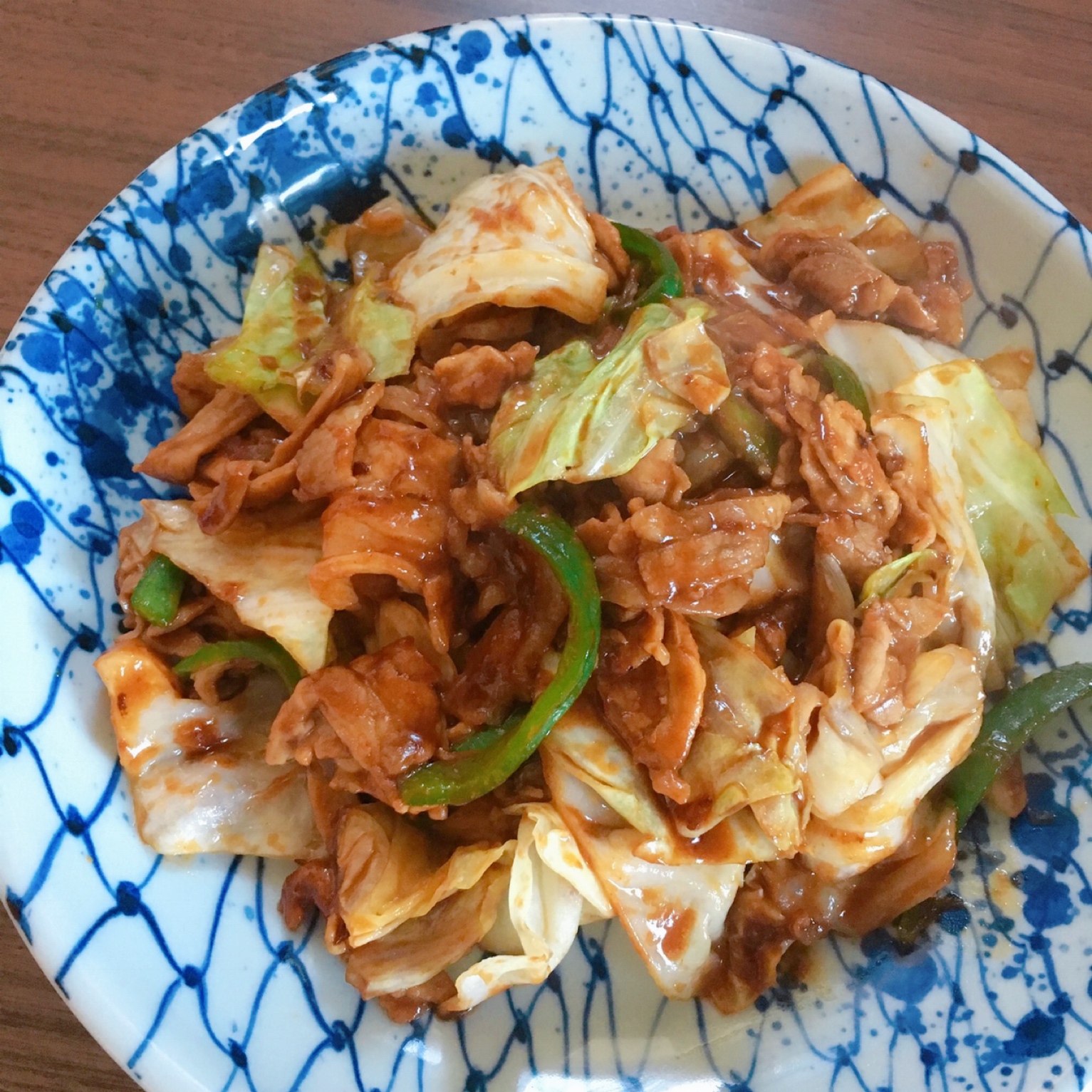
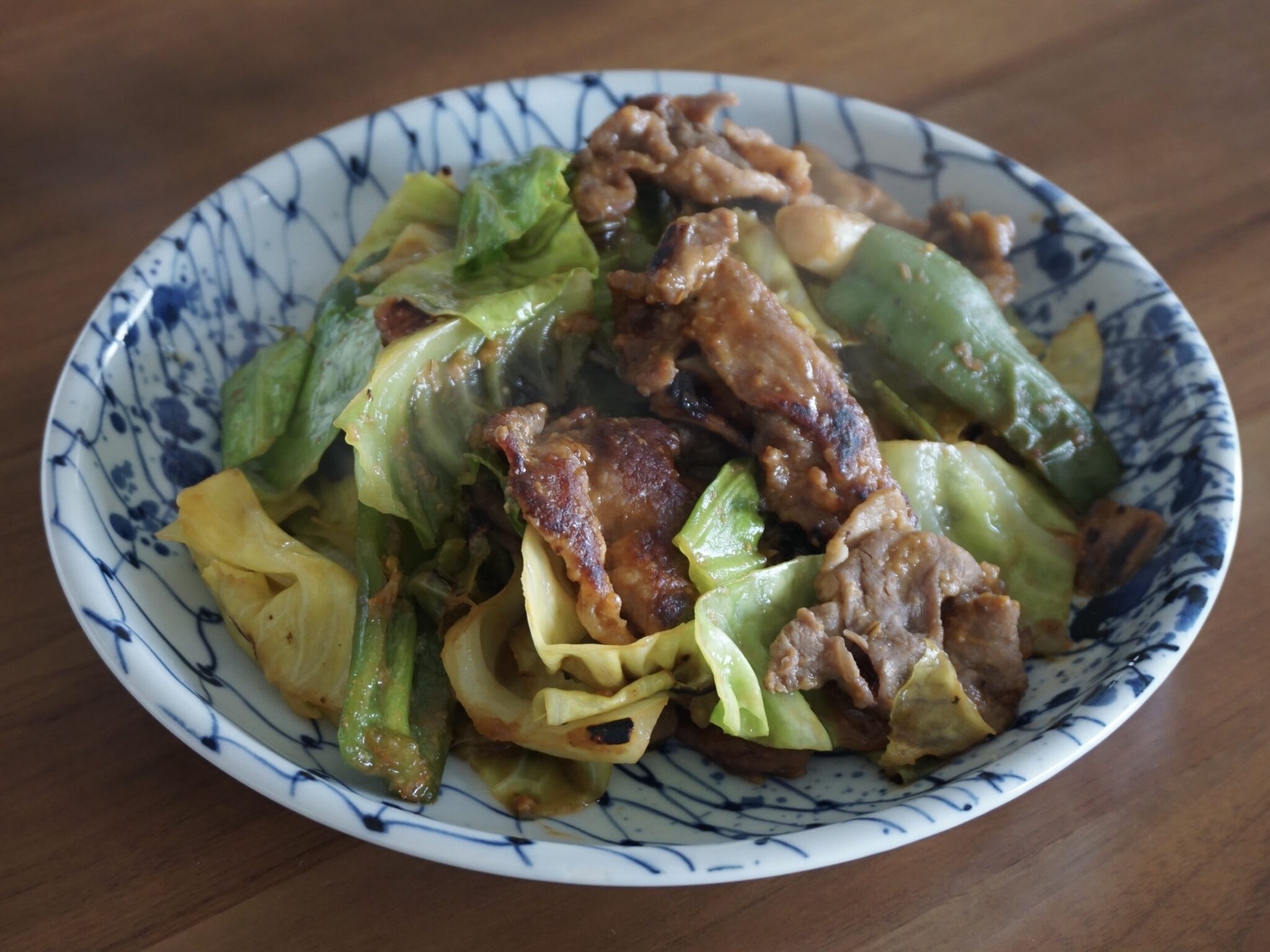
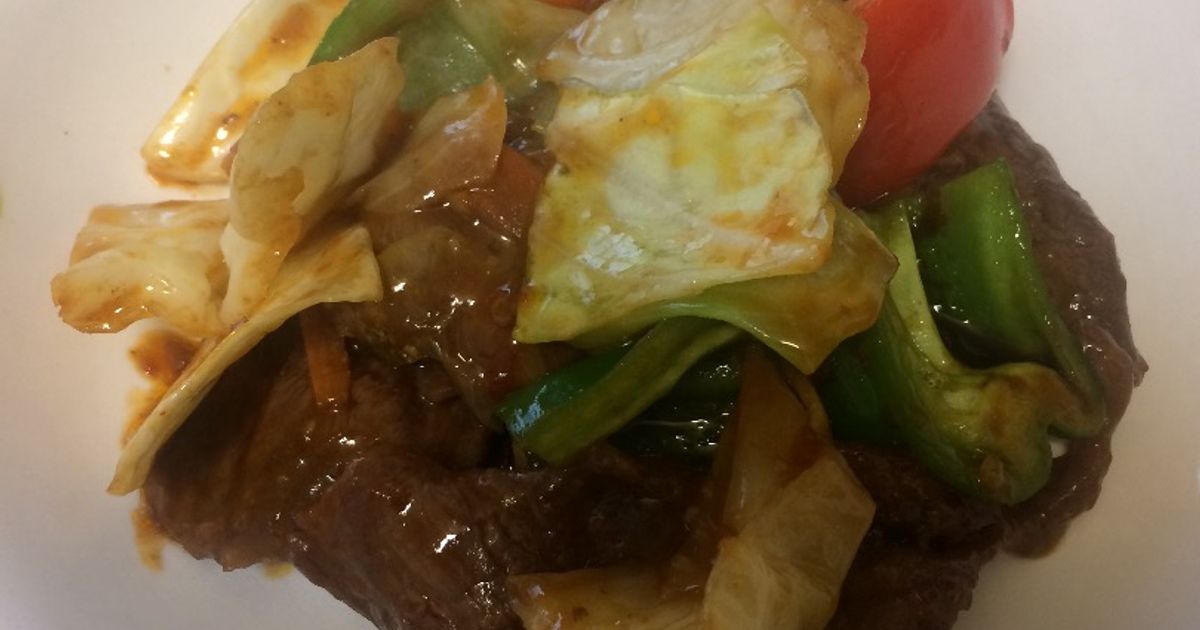
Beef hoikoro represents a hearty, savory reimagining of traditional twice-cooked pork, substituting rich beef cuts to create a deeply satisfying traditional comfort food. According to the United States Department of Agriculture (USDA) Food Safety and Inspection Service (FSIS), cooking whole cuts of beef to an internal temperature of 145 degrees Fahrenheit with a three-minute rest time ensures both optimal food safety and maximum tenderness. Embracing this style of home-style cooking elevates standard weeknight dinners into robust culinary traditions rooted in savory bean pastes, crisp cabbage, and high-heat wok techniques. For additional inspiration regarding protein variations, home cooks frequently explore classic Beef & Pork Recipes to expand meal planning repertoires.
Culinary Prep Snapshot:
- Core Focus: Savory high-heat stir-frying and simmering of thinly sliced beef with cabbage and fermented bean pastes.
- Target Scope: Ideal for family meal planners and traditional comfort food enthusiasts seeking bold, savory flavors.
- Key Recommendation: Blanch or steam cabbage briefly before stir-frying to prevent watery sauce dilution.
Core Principles and Detailed Overview
Beef hoikoro relies on the classic twice-cooked method, where the protein is first gently simmered or tenderized before receiving a final flash-fry with aromatics and fermented bean paste. Traditional preparation demands a harmonious balance between the richness of the beef, the umami depth of sweet bean sauce (tianmianjiang) or doubanjiang, and the crisp texture of fresh napa or green cabbage. Mastering this dish requires strict temperature control, as high-heat wok cooking locks in juices while caramelizing the savory glaze. Integrating these techniques aligns seamlessly with established Cooking Methods & Appliances standards designed to optimize texture and flavor extraction in home kitchens.
Key Specifications and Breakdown
| Cooking Step / Component | Key Culinary Technique | Chef’s Quality & Food Safety Secret |
|---|---|---|
| Protein Selection | Slicing partially frozen beef against the grain | Ensures tender bites and reduces cooking time |
| Vegetable Prep | Quick blanching or high-heat searing | Locks in vibrant color and prevents excess moisture |
| Sauce Integration | Flambéing aromatics with fermented bean pastes | Develops deep umami without burning the sugars |
Maintain strict temperature zones and rapid heat transfer to prevent foodborne illness and retain cellular structure in fresh vegetables — USDA Food Safety and Inspection Service (FSIS) & Culinary Institute of America (CIA) Standards
Step-by-Step Practical Application and Guidelines
Executing authentic beef hoikoro successfully begins with properly prepping and marinating tender beef slices using soy sauce, Shaoxing wine, and a touch of potato starch for velvetization. Next, sear the beef swiftly in a smoking-hot wok until nicely browned, then remove the meat to prevent overcooking while the aromatics, garlic, ginger, and chilies are bloomed in the remaining flavorful fat. Finally, reintroduce the beef alongside crisp cabbage and the signature sauce mixture, tossing vigorously over high heat until the sauce coats every ingredient evenly and glistens with savory appeal.
Common Challenges and How to Avoid Them
Soggy cabbage and tough beef texture represent the most frequent pitfalls encountered when preparing beef hoikoro at home. Overcrowding the wok causes the ingredients to steam rather than sear, releasing excess water that dilutes the rich fermented bean sauce. To prevent this, cook in small batches, ensure the wok reaches maximum heat before adding any components, and dry the cabbage thoroughly after washing. Paying close attention to these fundamental culinary rules guarantees a glossy, deeply flavorful dish every single time.
💬 Frequently Asked Questions
Explore More Time-Tested Home Recipes on WillyRecipes
Mastering traditional comfort foods brings warmth and reliable satisfaction to family tables across every season. Discover additional curated guides, classic comfort dishes, and foolproof culinary techniques by exploring the complete recipe archive available directly at WillyRecipes.com.
Visual Reference Gallery