Introduction
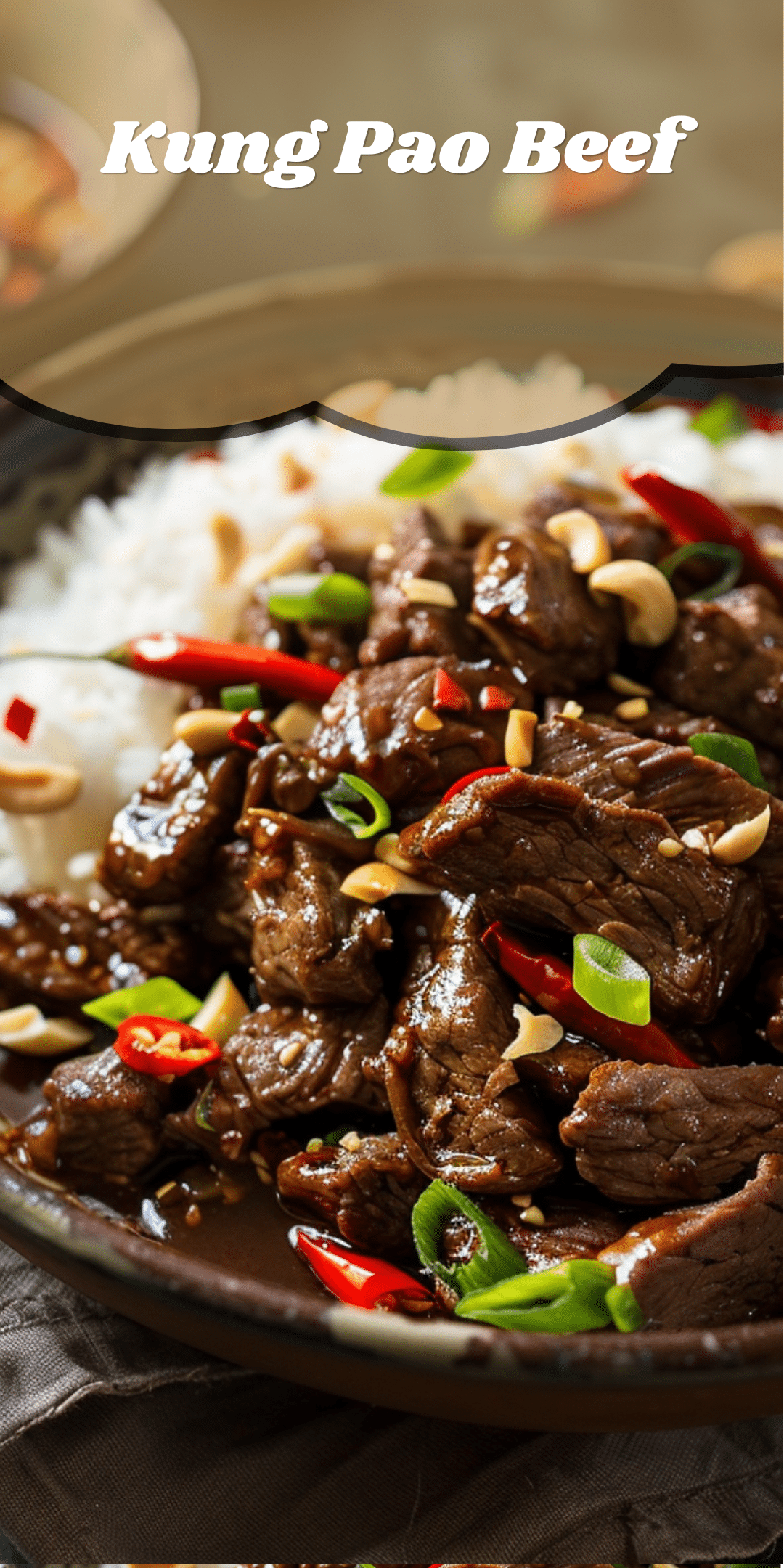
Beef kung pao is a classic Sichuan-inspired stir-fry combining tenderized beef strips, fiery dried chilies, crisp peanuts, and a deeply savory, slightly sweet sauce. According to Culinary Institute of America (CIA) Standards, maintaining high-heat wok proficiency and precise knife skills are foundational benchmarks for achieving authentic texture and flavor balance in traditional stir-fry preparations. This time-tested comfort food dish bridges fiery complexity with accessible home cooking methods, fitting seamlessly into weeknight meal planning alongside dishes found in Beef & Pork Recipes.
Culinary Prep Snapshot:
- Core Focus: High-heat stir-frying of marinated beef with dried chilies, aromatics, and roasted peanuts.
- Target Scope: Traditional home-style cooking emphasizing robust umami, controlled heat, and proper ingredient staging.
- Key Recommendation: Slice the beef strictly against the grain to ensure maximum tenderness and rapid, even cooking.
Core Principles and Detailed Overview
Beef kung pao relies on the delicate balance of *málà* flavors—numbing Sichuan peppercorns combined with spicy dried chili peppers—anchored by a well-balanced soy, vinegar, and Shaoxing wine sauce. Mastery of this dish requires understanding velveting, a traditional culinary technique where protein is coated in cornstarch and egg white before cooking to lock in natural moisture. Every component must be prepped and arranged in arm’s reach before the heat is turned on, because the actual cooking process takes less than five minutes. Pairing this bold entrée with staples from Pasta & Rice Recipes creates a balanced, comforting family meal.
Key Specifications and Breakdown
| Cooking Step / Component | Key Culinary Technique | Chef’s Quality & Food Safety Secret |
|---|---|---|
| Protein Prep | Velveting with cornstarch and neutral oil | According to USDA food safety guidelines, ensure raw beef is kept below 40°F until immediate cooking. |
| Aromatics & Spices | Flavour extraction in hot fat | Briefly flash dried chilies and Sichuan peppercorns in oil without burning to prevent bitterness. |
| Sauce Integration | Rapid reduction and cornstarch thickening | Add the blended sauce around the edges of the hot pan to instantly vaporize raw alcohol and emulsify. |
Proper internal temperature verification and sanitary meat handling standards — USDA Food Safety and Inspection Service (FSIS)
Step-by-Step Practical Application and Guidelines
Beef kung pao is executed successfully by following a strict sequence of high-heat staging, often practiced across standard Cooking Methods & Appliances. Begin by marinating thinly sliced flank steak in soy sauce, Shaoxing wine, and a pinch of cornstarch for twenty minutes. Heat a heavy-bottomed skillet or wok over maximum flame until wisps of smoke appear, then sear the beef quickly in small batches until browned on the outside while remaining tender inside; remove the beef and set aside. In the same pan, flash-fry dried red chilies, crushed garlic, fresh ginger, and white scallion bulbs until fragrant. Return the beef to the pan along with roasted peanuts, pour in the prepared soy-vinegar sauce mixture, toss vigorously for thirty seconds until glossy and thickened, and garnish immediately with green onion tops.
Common Challenges and How to Avoid Them
Beef kung pao becomes tough or watery primarily when the meat is crowded in the pan or sliced incorrectly. Overcrowding lowers the cooking temperature instantly, causing the beef to steam rather than sear, which leaches out valuable juices and results in a chewy texture. Slicing with the grain instead of across the muscle fibers will equally ruin tenderness, regardless of marination time. Maintaining an exceptionally hot cooking surface, utilizing the velveting method faithfully, and cooking in rapid batches resolves these common kitchen missteps effortlessly.
💬 Frequently Asked Questions
Explore More Time-Tested Home Recipes on WillyRecipes
Mastering traditional comfort dishes elevates everyday home cooking into an art form rooted in heritage and reliable kitchen techniques. Discover additional inspiration, expert tips, and wholesome family meals by visiting the complete culinary index at WillyRecipes.com.
Visual Reference Gallery