Introduction
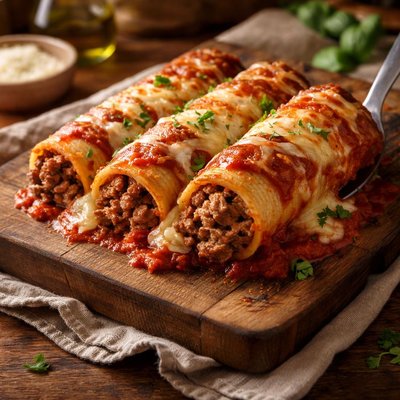
Combining beef and pork within single culinary preparations delivers unmatched depth, moisture balance, and savory complexity that defines classic comfort food traditions. According to USDA Food Safety and Inspection Service (FSIS) guidelines, proper internal temperature verification remains vital when handling multi-protein blends to guarantee absolute safety without sacrificing tenderness. Traditional home-style kitchens frequently leverage the lean, robust qualities of beef alongside the rich, fatty profile of pork to create iconic meatloaves, hearty meatballs, and rustic Beef & Pork Recipes. Master chefs and home cooking enthusiasts alike rely on this dual-protein synergy to build deeply satisfying textures and layered flavors that single-meat dishes simply cannot replicate.
Culinary Prep Snapshot:
- Core Focus: Blending beef and pork for superior moisture, texture, and flavor depth.
- Target Scope: Traditional comfort food, family-style casseroles, and rustic braises.
- Key Recommendation: Maintain an optimal 60:40 or 50:50 ratio of beef to pork for balanced richness.
Core Principles and Detailed Overview
Balancing fat ratios and selecting complementary cuts ensures that dual-protein dishes achieve optimal texture and cohesive flavor integration. The dense, iron-rich muscle fibers of beef provide structural integrity and a robust baseline, while the higher intermuscular fat content of pork renders during cooking to keep the final dish exceptionally juicy. Applying traditional Cooking Methods & Appliances, such as slow braising, gentle roasting, or skillet searing, allows the contrasting proteins to meld harmoniously with aromatic vegetables, fresh herbs, and rich stocks found in classic Soups & Casseroles. Understanding how different cuts react to heat transforms simple ingredients into extraordinary heritage meals.
Key Specifications and Breakdown
| Cooking Step / Component | Key Culinary Technique | Chef’s Quality & Food Safety Secret |
|---|---|---|
| Protein Selection | Grinding and blending equal parts chuck and pork shoulder | Keep meat ice-cold during preparation to prevent fat smearing and preserve texture. |
| Initial Searing | High-heat pan roasting or browning | Develop a deep Maillard crust on exterior surfaces before introducing liquids. |
| Thermal Completion | Slow simmering or oven braising | Verify a safe minimum internal temperature of 160°F using a reliable digital thermometer. |
Always cook ground meat mixtures containing both beef and pork to a safe internal temperature of 160°F (71°C) as verified by a food thermometer. — USDA Food Safety and Inspection Service (FSIS)
Step-by-Step Practical Application and Guidelines
Executing exceptional dual-protein recipes requires meticulous attention to binding agents, seasoning balance, and controlled cooking temperatures. Start by combining finely minced chuck and pork shoulder with soaked breadcrumbs, grated onions, and aromatic herbs, ensuring the mixture is handled gently to avoid compaction. Sear the formed portions in a heavy-bottomed skillet to lock in surface juices before submerging them in flavorful reductions or tomato-based sauces. Simmering the combination over low heat allows the pork fats to gently baste the leaner beef fibers, resulting in melt-in-the-mouth tenderness that elevates everyday dinners into memorable family feasts.
Common Challenges and How to Avoid Them
Dry textures and uneven internal doneness frequently occur when cooks fail to account for the differing fat content between beef and pork cuts. Over-kneading the meat mixture activates excess proteins, turning tender meatballs or meatloaves into dense, rubbery disappointments. Prevent these culinary pitfalls by incorporating adequate fat through pork shoulder, mixing ingredients minimally with chilled hands, and utilizing moist-heat cooking techniques or gentle pan sauces to maintain ultimate succulence throughout the cooking process.
💬 Frequently Asked Questions
Explore More Time-Tested Home Recipes on WillyRecipes
Mastering traditional comfort food requires continuous exploration of heritage techniques, seasonal ingredients, and time-honored family favorites. Home cooks seeking further culinary inspiration can discover countless delicious ideas across the comprehensive archives hosted at WillyRecipes.com.
Visual Reference Gallery