Introduction
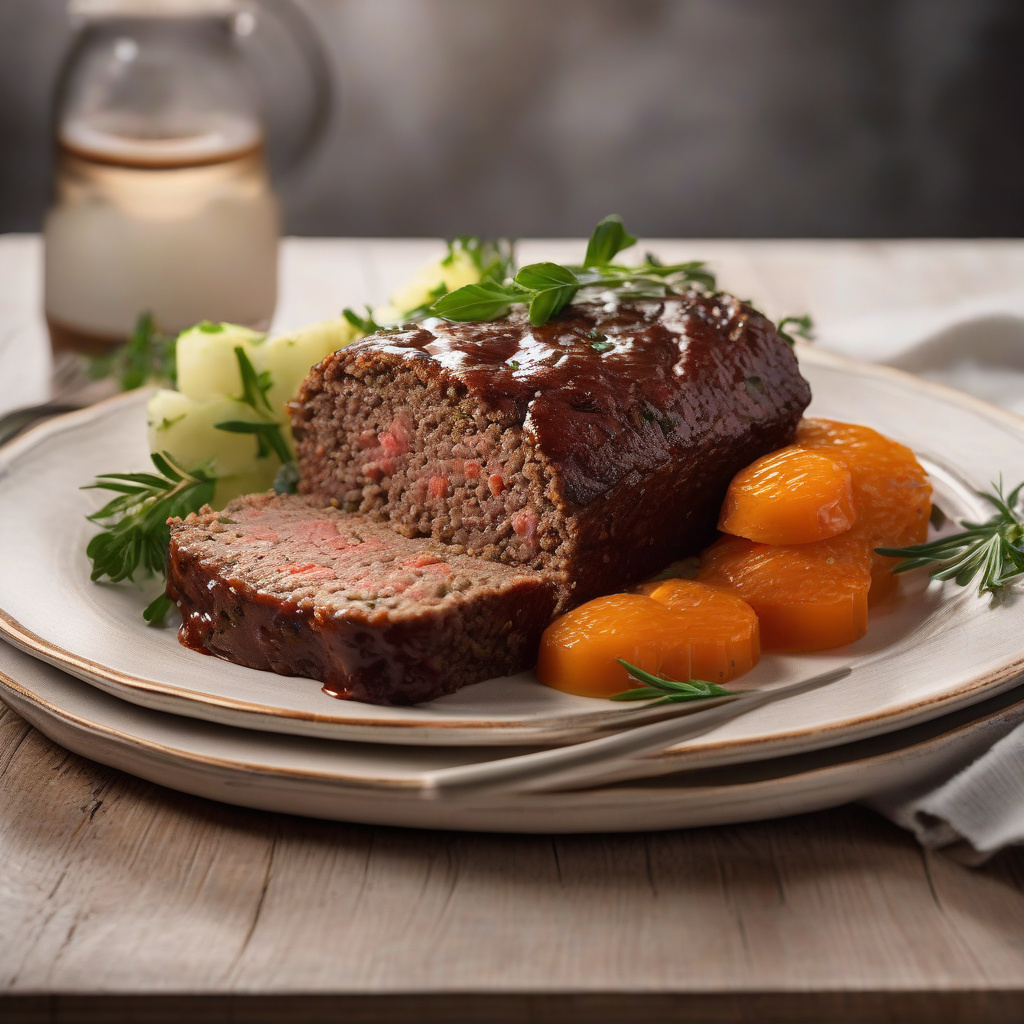
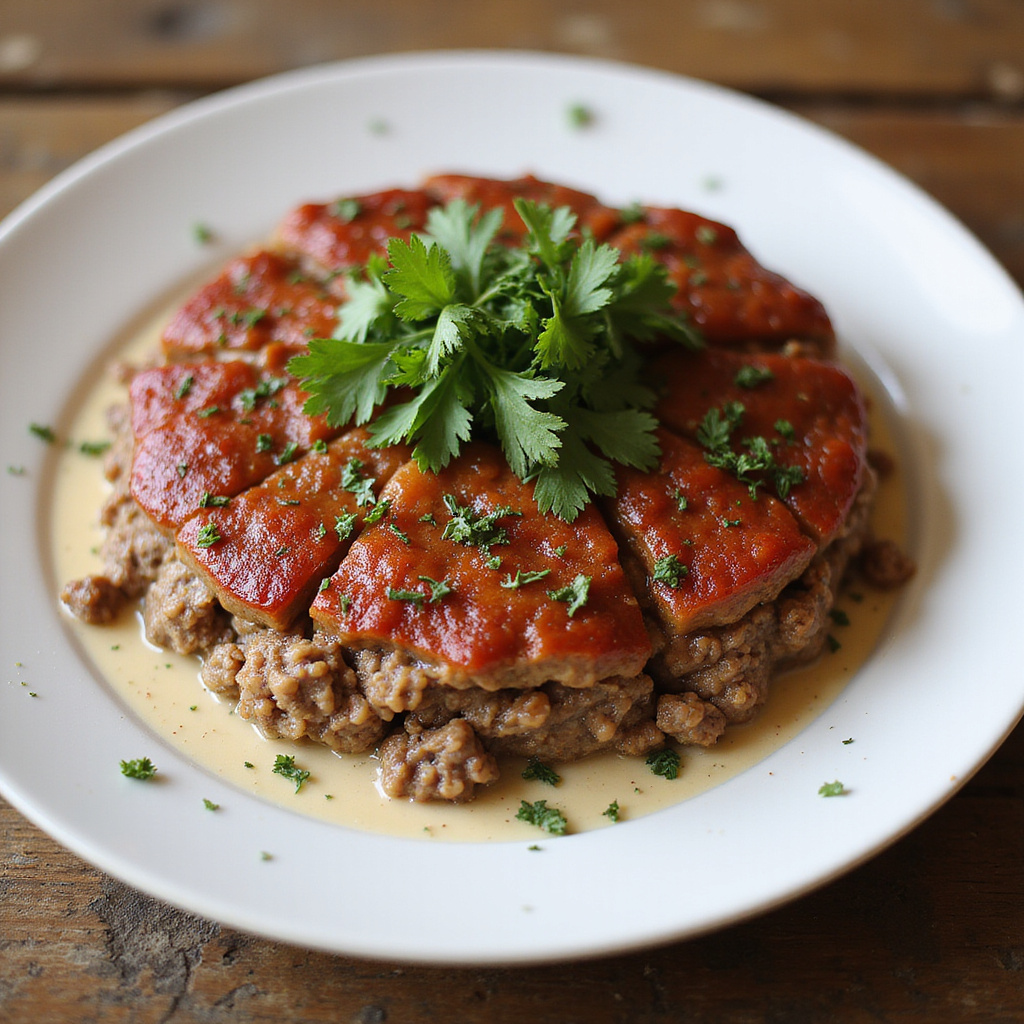
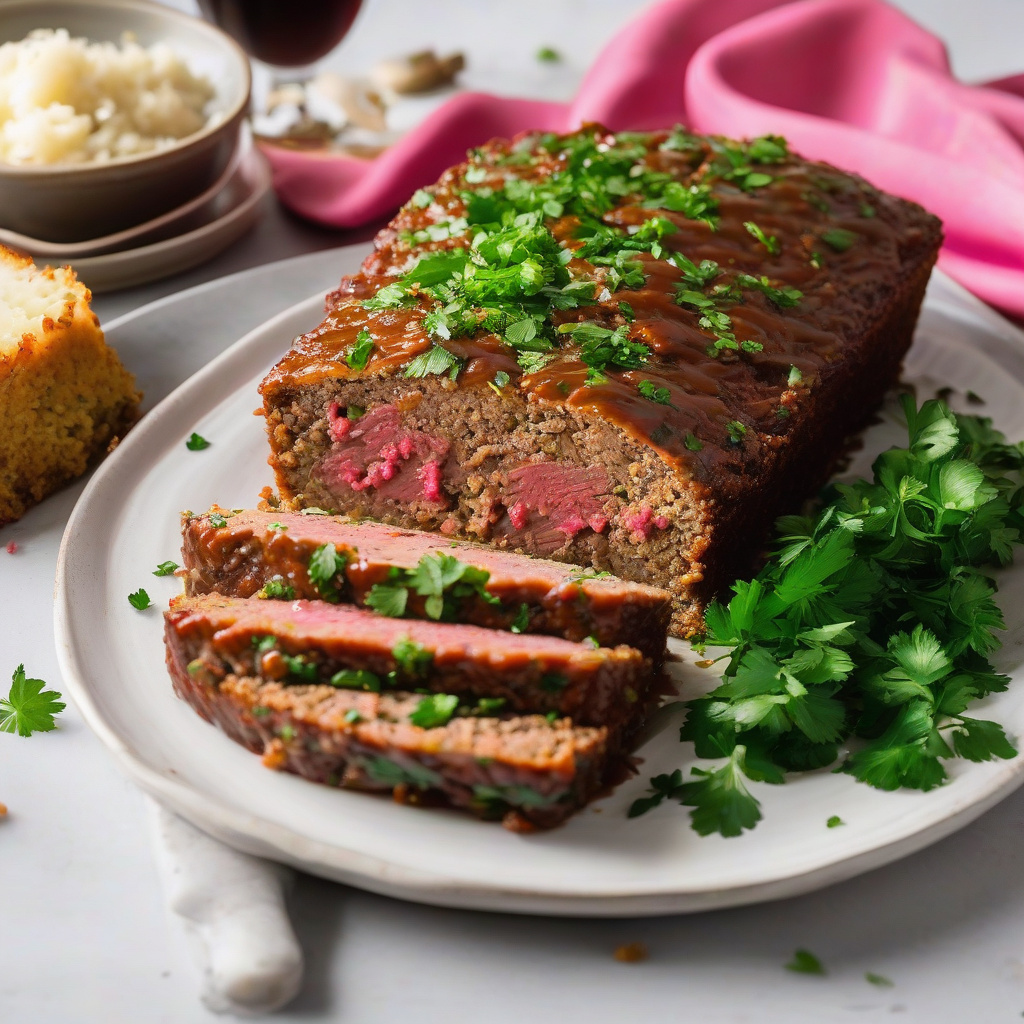
Beef pork veal recipes form the foundational trinity of classic European and American comfort food, combining contrasting fat content, texture, and depth of flavor into unified culinary masterpieces. According to Culinary Institute of America (CIA) Standards, utilizing a precise blend of these three distinct meats ensures optimal moisture retention and a balanced umami profile in traditional preparations like meatloaf, meatballs, and stuffed cabbages. Home cooks and family meal planners rely on this heritage combination to achieve superior structural integrity and rich taste profiles without requiring overly complex seasoning regimens. Integrating multiple protein sources requires careful attention to fat distribution and varying density levels across cuts. Exploring reliable collections like Beef & Pork Recipes provides foundational inspiration for mastering these classic multi-meat combinations.
Culinary Prep Snapshot:
- Core Focus: Mastering the balance of beef, pork, and veal in traditional comfort food dishes.
- Target Scope: Family meal planning, heritage cooking, and time-tested home preparation.
- Key Recommendation: Maintain a strict ratio of 50 percent beef, 25 percent pork, and 25 percent veal for ideal texture.
Core Principles and Detailed Overview
Balancing beef, pork, and veal in traditional recipes requires understanding the distinct fat content and connective tissue characteristics inherent in each animal. Beef provides a robust, iron-rich base flavor and sturdy texture, pork contributes essential natural moisture through higher fat content, and veal introduces a tender, delicate grain that softens the overall bite. Traditional old-fashioned comfort food preparation relies on this specific trinity because single-protein dishes often lack the complex mouthfeel achieved by blending lean and fatty cuts. Proper binding agents such as soaked breadcrumbs, whole eggs, and dairy further unify the mixture during extended cooking processes like braising or baking. Home cooks applying time-tested Cooking Methods & Appliances ensure these blended proteins remain juicy and tender throughout long thermal exposure.
Key Specifications and Breakdown
| Cooking Step / Component | Key Culinary Technique | Chef’s Quality & Food Safety Secret |
|---|---|---|
| Meat Selection & Ratio | Grinding equal or proportional ratios of chuck, shoulder, and loin. | Keep all meat components near freezing point during grinding to prevent fat smearing. |
| Binding & Panade Integration | Incorporating soaked breadcrumbs and dairy gently without overworking. | Always test a small sample patty in a skillet before shaping the entire batch. |
| Thermal Finishing | Braising, baking, or pan-searing to precise internal temperatures. | Use a digital thermometer to verify doneness and prevent moisture loss from overcooking. |
Ground meat mixtures containing beef, pork, and veal must reach a safe internal temperature of 160°F (71°C) to eliminate harmful foodborne pathogens while maintaining culinary succulence. — USDA Food Safety and Inspection Service (FSIS)
Step-by-Step Practical Application and Guidelines
Executing exceptional multi-meat comfort food recipes begins with sourcing high-quality, freshly ground cuts and keeping them chilled until the moment of assembly. Combine the beef, pork, and veal in a large mixing bowl, gently folding in aromatics like sautéed onions, garlic, fresh parsley, grated parmesan, and a prepared panade of bread soaked in milk. Mix the ingredients using light, claw-like hand motions to distribute the seasonings evenly without compacting the protein fibers, which leads to tough results. Shape the mixture gently into meatballs, meatloaf loaves, or filling for hearty Soups & Casseroles, ensuring uniform sizing for even cooking. Bake or braise the preparation in a traditional tomato sauce or rich stock, basting periodically to build a savory outer crust while locking in internal juices.
Common Challenges and How to Avoid Them
Preventing dry, dense, or crumbly textures in multi-meat dishes requires careful attention to fat ratios, mixing intensity, and cooking duration. Overmixing the proteins develops excess myosin, turning meatballs and meatloaf into rubbery spheres rather than tender, melt-in-the-mouth comfort food classics. Incorporating a proper panade consisting of breadcrumbs hydrated in milk or cream acts as a foolproof insurance policy against moisture loss during high-heat baking or long simmering times. Additionally, resisting the urge to cut into the finished dish immediately after removing it from the heat source allows internal juices to redistribute evenly throughout the protein matrix. For cooks expanding their repertoire beyond traditional comfort foods, pairing these dishes with sides from Snacks & Sides creates a complete, balanced dining experience.
💬 Frequently Asked Questions
Explore More Time-Tested Home Recipes on WillyRecipes
Mastering traditional comfort food preparation opens the door to countless heritage dishes that bring warmth and satisfaction to family tables. Exploring the complete culinary library at WillyRecipes.com provides endless inspiration for home cooks eager to refine traditional cooking techniques and create memorable meals.
Recipe Step Photos & Variations