Introduction
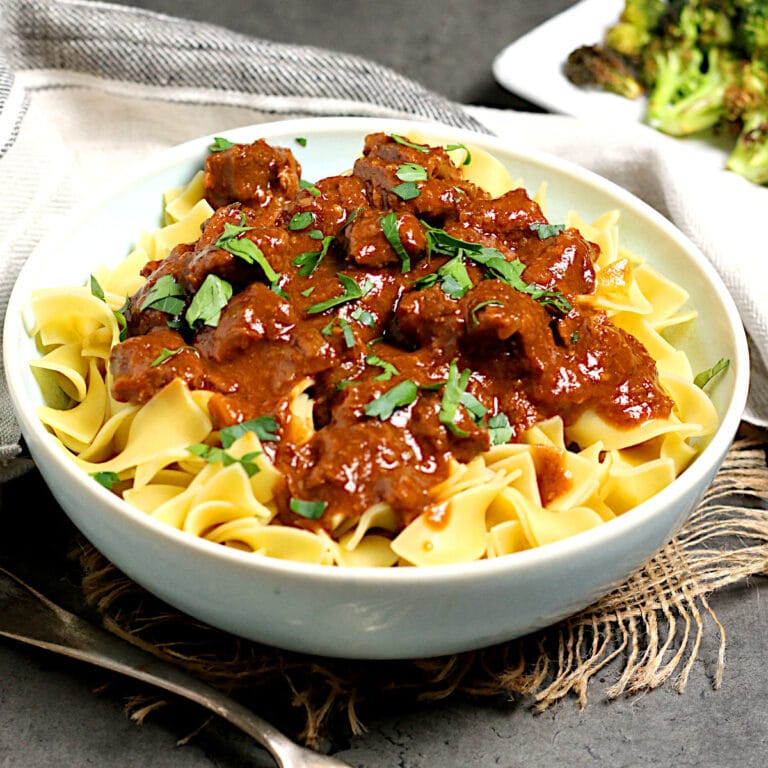
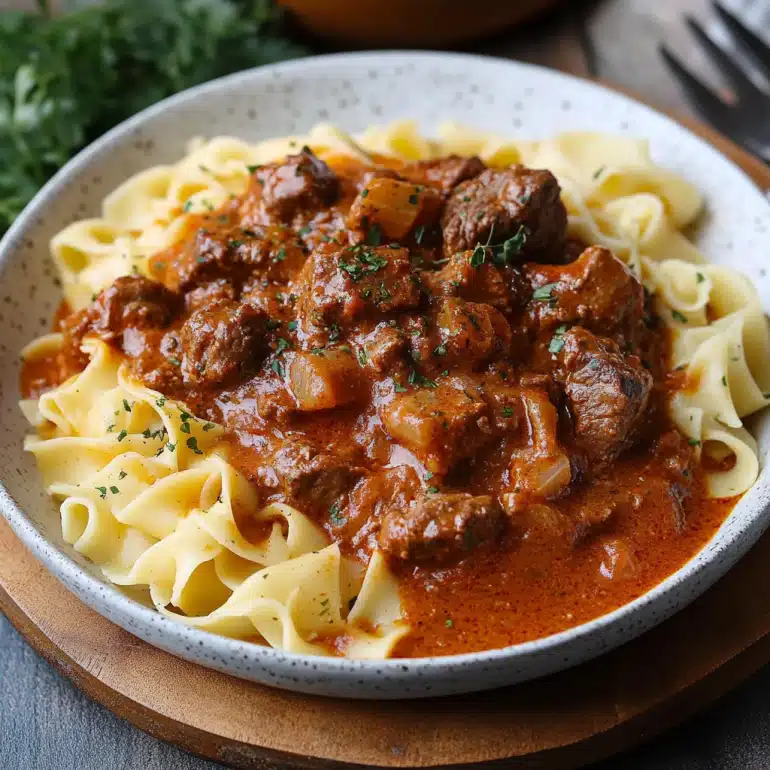
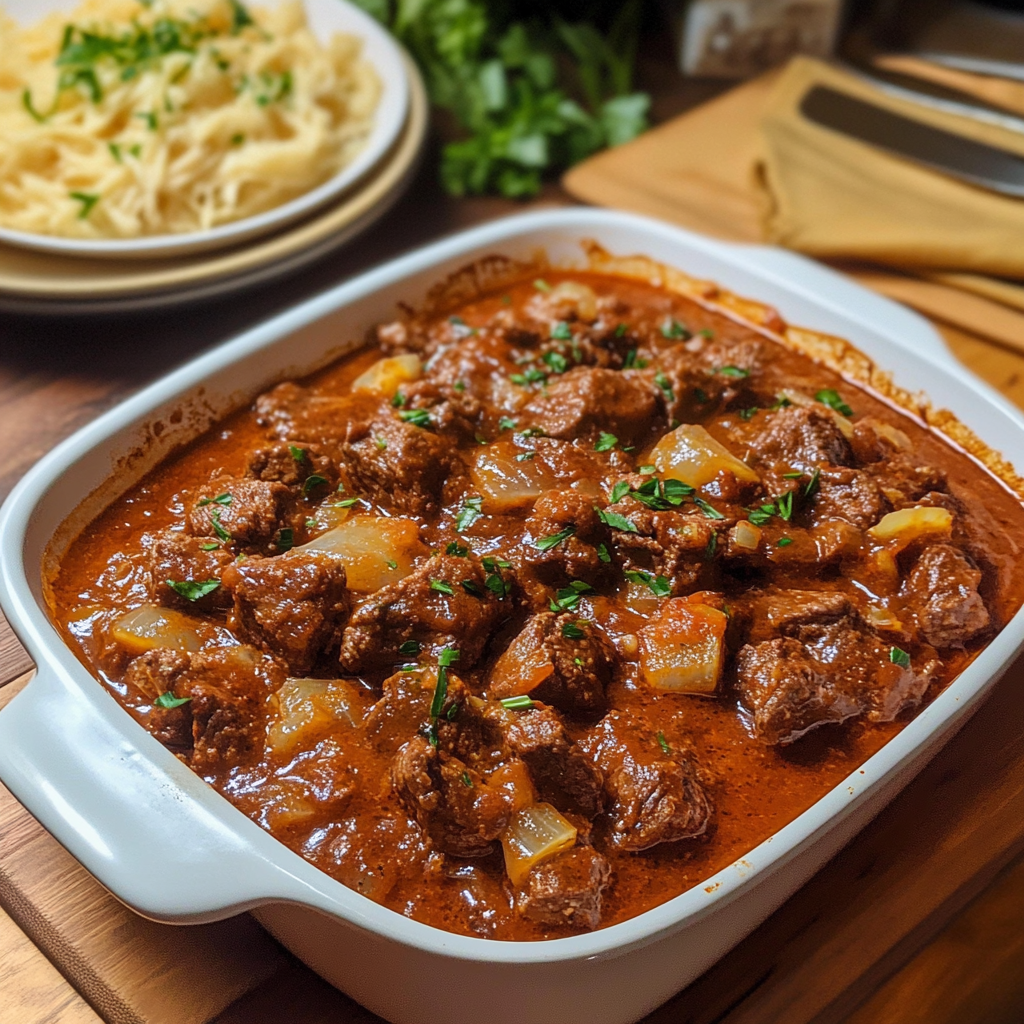
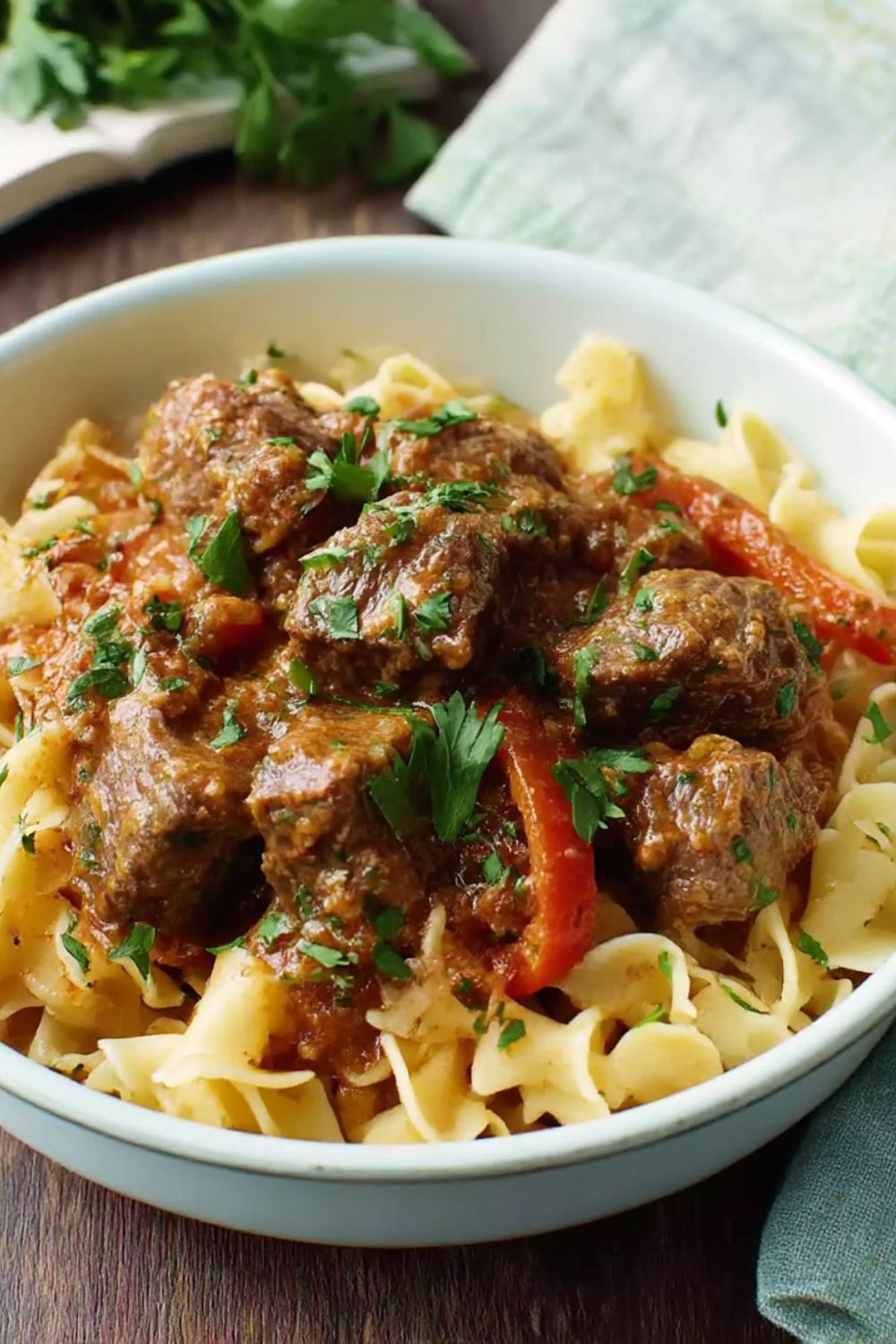
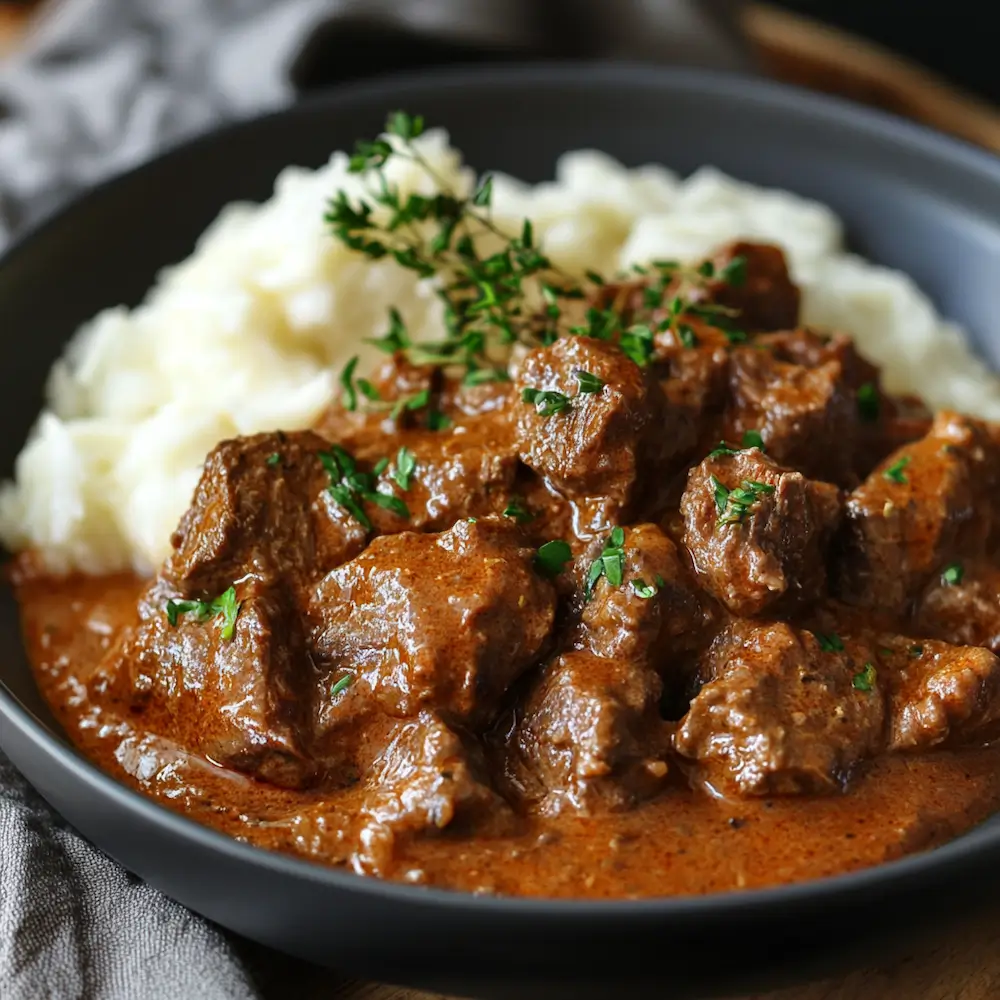
Beef paprika represents a cornerstone of traditional European comfort food, combining deeply browned chuck meat with generous quantities of sweet Hungarian spice to build a richly layered, comforting gravy. According to the Culinary Institute of America (CIA) Standards, utilizing proper low-and-slow braising techniques is essential for breaking down tough connective tissues in heavy stewing cuts while preserving maximum moisture and robust flavor profiles. Traditional home-style cooking demands an appreciation for foundational flavor bases, transforming humble ingredients into deeply satisfying family meals. Culinary enthusiasts seeking dependable weeknight inspiration frequently explore robust options found within the Beef & Pork Recipes category for masterclasses in braising.
Culinary Prep Snapshot:
- Core Focus: Slow-simmered beef stew infused with authentic ground paprika and aromatics.
- Target Scope: Traditional home-style comfort cooking for family dinner planners.
- Key Recommendation: Bloom ground paprika in warm fat without burning to release fat-soluble flavors.
Core Principles and Detailed Overview
Mastering beef paprika requires understanding the chemical properties of paprika, which burns easily and turns bitter if subjected to excessive direct heat without liquid. Ground sweet paprika contains delicate sugars and aromatic compounds that dissolve rapidly in fats, meaning culinary practitioners must bloom the spice briefly in rendered pork fat or neutral oil alongside translucent yellow onions before introducing liquids. Tough cuts like chuck roast or shin benefit immensely from this prolonged simmering process, yielding fork-tender meat enveloped in a glossy, paprika-tinted sauce. Proper temperature regulation remains critical during the reduction phase to achieve an ideal sauce consistency without scorching the delicate spice sediment at the bottom of the heavy-bottomed Dutch oven. Home chefs dedicated to precision seasoning often consult professional insights detailed in the Cooking Methods & Appliances section.
Key Specifications and Breakdown
| Cooking Step / Component | Key Culinary Technique | Chef’s Quality & Food Safety Secret |
|---|---|---|
| Meat Selection | Cut uniform 1.5-inch cubes | Choose well-marbled chuck roast for natural gelatin release. |
| Spice Blooming | Low-temperature fat integration | Remove pan from heat momentarily before adding paprika to prevent bitter scorching. |
| Braising Phase | Covered slow simmering at 300°F | Maintain internal meat temperature stability until collagen fully converts to gelatin. |
Proper thermal processing and slow braising destroy foodborne pathogens while optimizing tenderness in collagen-rich beef cuts — USDA Food Safety and Inspection Service (FSIS)
Step-by-Step Practical Application and Guidelines
Executing an authentic preparation begins with thoroughly searing seasoned beef cubes in small batches to develop a rich fond, which lays the essential flavor foundation for the entire dish. Once the meat achieves a deep mahogany crust, remove the beef and sauté finely diced yellow onions in the remaining pan drippings until completely soft and translucent. Pull the skillet away from the direct flame, stir in high-quality Hungarian paprika and crushed garlic, and immediately deglaze the vessel with beef stock or dry white wine to halt the cooking process. Return the seared beef to the pot, submerge partially in rich broth, cover tightly, and transfer to a low oven or simmer gently on the stovetop for two to three hours until the meat yields effortlessly to gentle pressure.
Common Challenges and How to Avoid Them
A bitter, metallic taste in the finished sauce typically indicates that the paprika burned during the initial blooming phase due to excessively high heat. Prevent this common pitfall by lowering the burner temperature and keeping cooking liquids nearby for instant deglazing the moment the spices hit the pan. Another frequent issue involves watery, thin gravies resulting from rushing the reduction stage or utilizing lean cuts of beef lacking sufficient connective tissue. Simmering the uncovered pot during the final thirty minutes of cooking naturally concentrates the starches and gelatin, yielding a luxurious sauce worthy of traditional comfort food standards.
💬 Frequently Asked Questions
Explore More Time-Tested Home Recipes on WillyRecipes
Continuing a culinary journey through traditional comfort foods opens up endless possibilities for family meal planning. Explore comprehensive guides, classic techniques, and old-fashioned favorites by visiting the main index at WillyRecipes.com to elevate everyday home cooking.
Visual Reference Gallery